Met Weld Logo

CNC Cutting Machine Installation: A Site Preparation Checklist for Fabrication Shops

CNC Cutting Machine Installation: A Site Preparation Checklist for Fabrication Shops

CNC Cutting Machine Installation: A Site Preparation Checklist for Fabrication Shops 

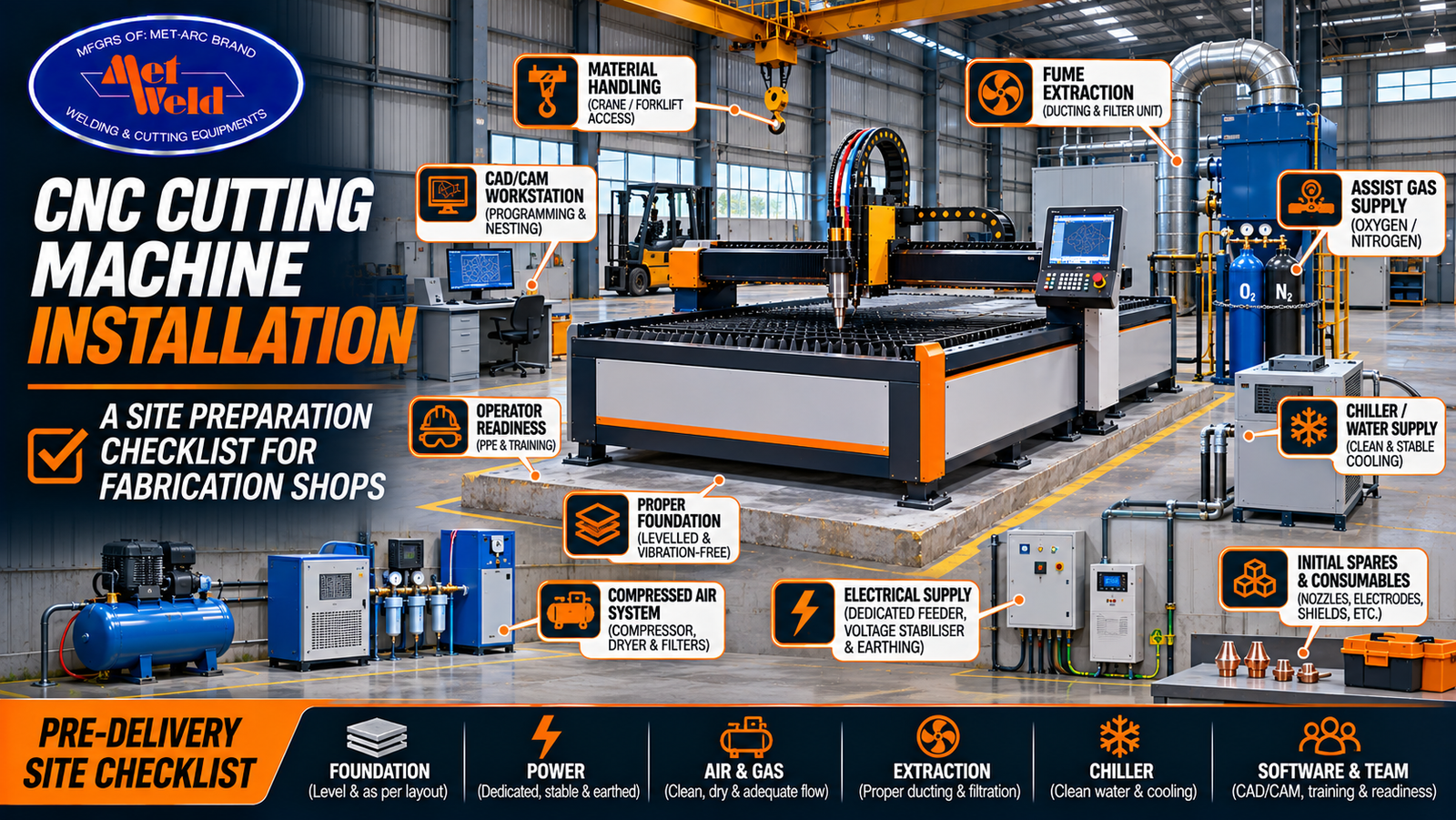
Buying a CNC laser or plasma cutting machine is a major investment, and the decision usually receives careful attention. The installation stage, however, is often treated as an afterthought. Floors are not ready, power supply is undersized, the compressor is too small or the fume extraction duct is still being planned when the machine arrives. Each of these gaps delays commissioning and can affect machine accuracy for years. 

A well-prepared site lets the machine be unloaded, levelled, connected and cutting production parts in the shortest possible time. This checklist covers the main areas fabricators should prepare before a CNC cutting machine is delivered. 

1. Plan the Layout Around Material Flow 

Before choosing the exact spot, think about how plates and sheets will move through the shop. 

  • Raw material entry: Where will plates be unloaded and stored? Is there crane or forklift access to the machine’s loading side? 
  • Loading and unloading: Can a full sheet or plate be placed on the table without awkward manoeuvring? Is there space for a shuttle table if one is planned? 
  • Finished parts: Where will cut parts be sorted, deburred and sent to bending, welding or painting? 
  • Scrap removal: How will skeletons and slag be taken away without blocking production? 
  • Service access: Leave clearance around the machine for maintenance of the drives, cutting head, chiller and extraction unit. 

For larger plates, gantry type machines often need overhead crane coverage. For sheet metal, compact table type laser cutting machines benefit from a clear forklift aisle. 

2. Prepare a Proper Foundation 

Cutting accuracy depends on a stable, level base. A cracked or uneven floor allows the machine frame to twist slightly, which shows up as dimensional errors, poor squareness and uneven cut quality. 

  • Follow the foundation drawing supplied with the machine, including slab thickness, reinforcement and anchor positions. 
  • For gantry machines, rails must be grouted and levelled along their full length. 
  • Allow concrete to cure fully before the machine is placed on it. 
  • Avoid placing the machine close to heavy presses, hammers or other sources of vibration. 
  • Keep the area dry; standing water around the base causes corrosion and electrical risk. 

3. Arrange a Stable Electrical Supply 

Laser sources, plasma power supplies, drives and chillers are sensitive to voltage variation. Unstable power is a frequent cause of unexplained alarms and electronic failures. 

  • Provide a dedicated feeder of the rated capacity, with a correctly sized isolator and protection. 
  • Install a servo voltage stabiliser where grid voltage fluctuates. 
  • Provide a proper earthing pit with measured, low earth resistance, separate from welding earths. 
  • Plan cable routing so power and signal cables do not run in the same tray as welding cables. 
  • Include power for auxiliaries such as the chiller, compressor, dryer and extraction fan. 

4. Size Compressed Air and Gas Supply Correctly 

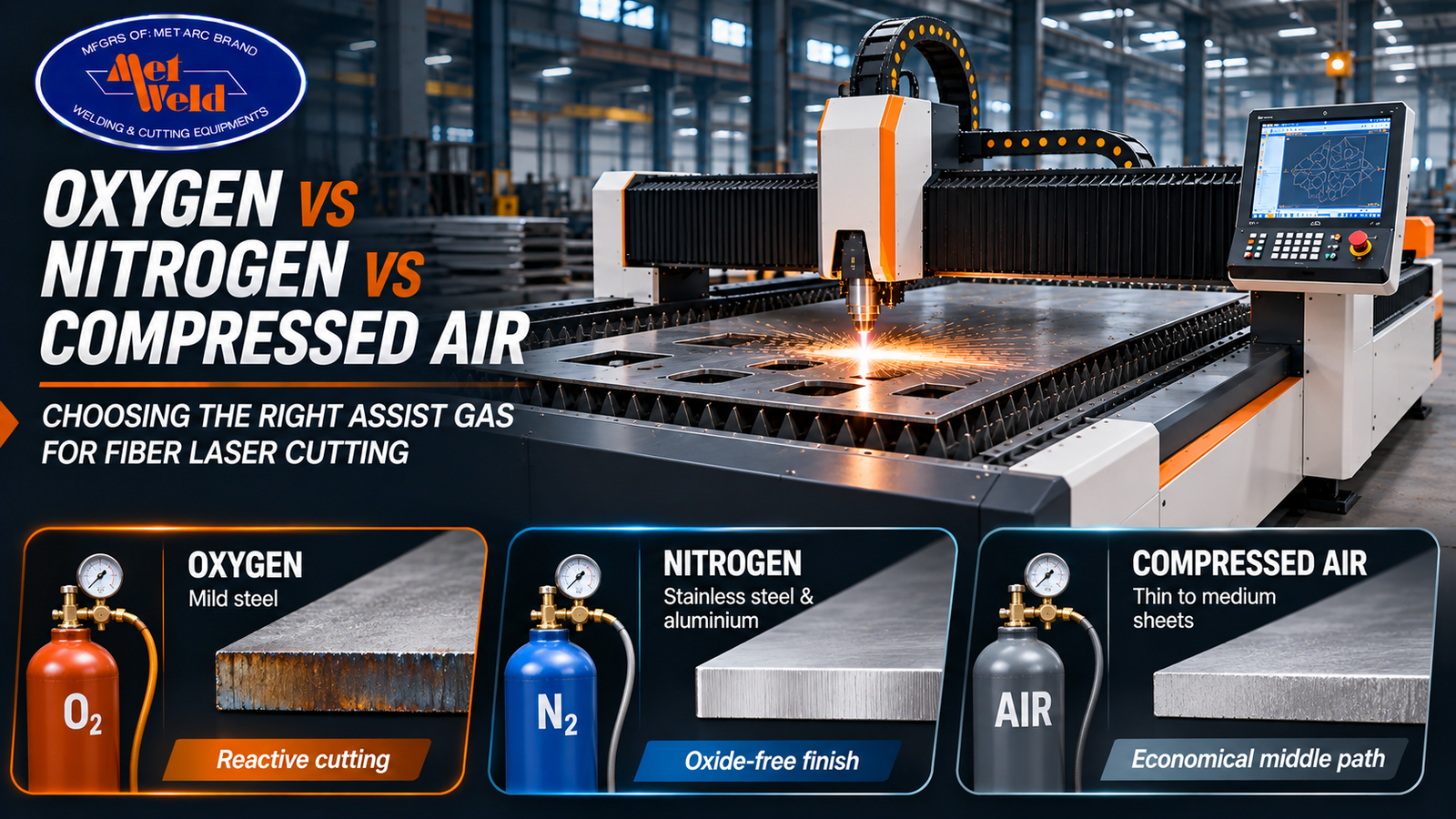
Plasma machines rely on clean compressed air or other plasma gases. Laser machines use oxygen, nitrogen or high-pressure compressed air as assist gas. In both cases, supply quality and stability decide cut quality. 

  • Size the compressor for peak flow plus a margin, not average use. 
  • Fit refrigerated and, where needed, desiccant dryers along with oil and particle filters. 
  • Use a receiver tank close to the machine to stabilise pressure. 
  • For laser cutting, plan cylinder manifolds, bulk liquid tanks or nitrogen generators according to expected consumption. 
  • Run separate, labelled lines for each gas with suitable regulators. 

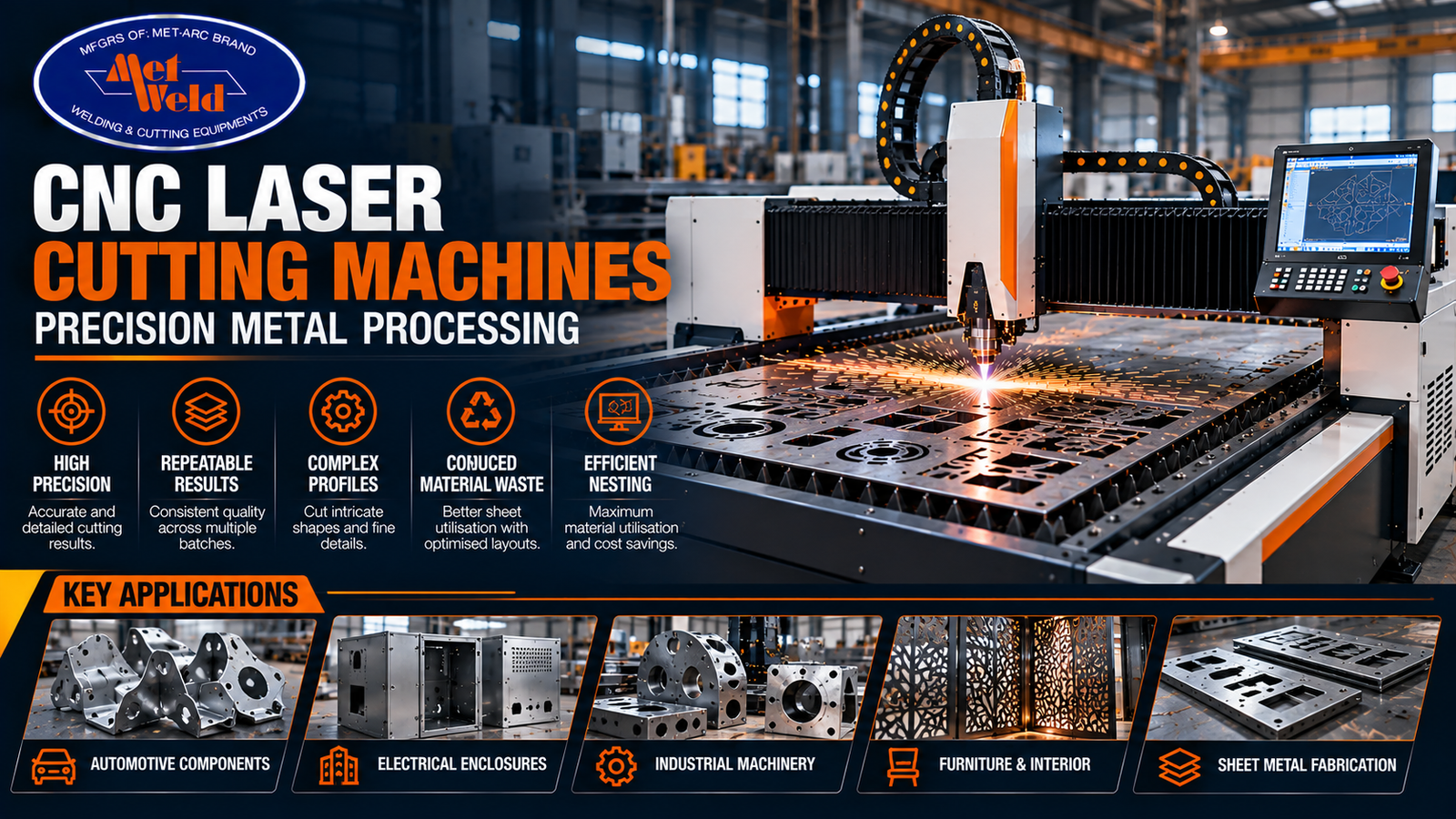
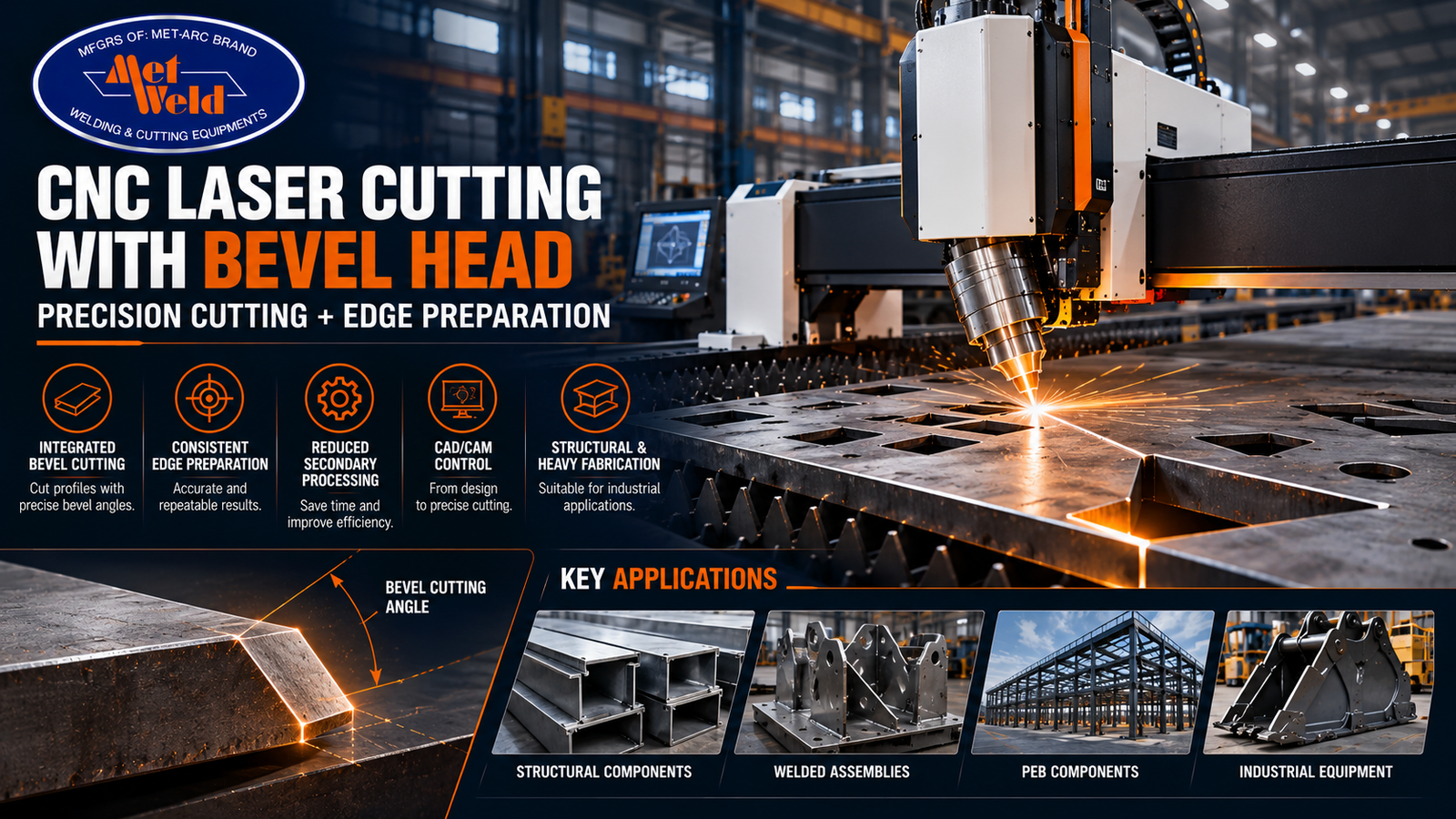
Gas choice affects both running cost and edge finish, so discuss your material mix with the supplier early. Our overview of CNC laser cutting machines for precision metal processing explains how cutting setup influences results. 

5. Plan Fume Extraction from Day One 

Thermal cutting produces fumes and fine particles that affect operator health, machine electronics and nearby equipment. Extraction should be part of the original layout, not an add-on. 

  • Confirm the machine’s zoned downdraft or extraction connection points. 
  • Choose an extraction unit and filter sized to the cutting table area and process. 
  • Plan duct routes that are short, with gentle bends and access for cleaning. 
  • Decide where filtered air will be discharged and ensure it meets local norms. 
  • For plasma, consider water tables where appropriate. 

6. Control the Environment Around the Machine 

Fiber laser sources, chillers and CNC electronics perform best within a defined temperature and humidity range. 

  • Keep the laser source and electrical cabinet out of direct sunlight and away from heat sources. 
  • Ensure adequate ventilation, and in hot regions consider an enclosed, air-conditioned room for the source and control cabinet. 
  • Protect the area from dust generated by grinding and blasting operations. 
  • Plan for monsoon humidity, which can cause condensation inside electrical cabinets. 

7. Prepare the Chiller and Water Supply 

Laser machines use a chiller to cool the source and cutting head. Water quality directly affects source life. 

  • Use the recommended distilled or deionised water and approved additives. 
  • Place the chiller where it gets good airflow and is easy to service. 
  • Plan for drainage and refilling. 

8. Set Up the Software and Data Workflow 

The machine cannot produce parts without programs. Before commissioning: 

  • Arrange a computer for CAD/CAM and nesting software. 
  • Decide how drawings will reach the programmer and how programs will reach the machine. 
  • Create standard naming for materials, thickness and jobs. 
  • Prepare a library of typical parts for training and trial cuts. 

9. Get the Team Ready 

People decide how quickly a new machine becomes productive. 

  • Nominate operators and a programmer before installation. 
  • Ensure they are available for the full training period. 
  • Assign responsibility for daily and weekly maintenance from the first week. 

10. Plan Spares and Service Support 

Keeping critical consumables and spares on site avoids downtime in the first months. 

  • Stock nozzles, protective windows, ceramic rings or plasma consumables in advance. 
  • Agree on the service contact and escalation process. 
  • Keep the machine manual, electrical drawings and parameter backup in a known location. 

Metweld supplies genuine CNC machine spares and supports customers through commissioning and beyond. 

Quick Pre-Delivery Checklist 

Area Ready?                     
Foundation built, cured and levelled as per drawing  
Dedicated power feeder, stabiliser and earthing completed  
Compressor, dryers, filters and receiver installed  
Gas supply and regulators arranged  
Fume extraction unit and duct route ready  
Chiller location and water prepared  
Crane or forklift access confirmed  
CAD/CAM computer and software arranged  
Operators and programmer nominated  
Initial spares and consumables in stock  

How Metweld Supports Installation 

Metweld shares foundation drawings, power and air requirements and layout recommendations well before dispatch. Our engineers review site readiness, carry out installation and alignment, run trial cuts on your material and train operators and programmers. Whether you are installing your first machine or adding to an existing line, this structured approach shortens the time from delivery to production. 

Planning a new cutting machine? Contact Metweld for site requirements and a layout discussion. 

Frequently Asked Questions 

How long does installation of a CNC cutting machine take? 

Once the site is ready, installation, alignment and trial cutting usually take a few days, followed by operator training. Delays almost always come from incomplete site preparation. 

Do I need a separate foundation for a laser cutting machine? 

Most industrial machines need a foundation that meets the supplier’s specification for slab thickness and flatness. Gantry machines with rails need a dedicated, levelled foundation. 

Is a voltage stabiliser necessary? 

Where grid voltage fluctuates, a stabiliser protects the laser source, plasma supply and electronics, and reduces nuisance alarms. 

CNC Cutting Machine Installation: A Site Preparation Checklist for Fabrication Shops
Ready to get started?

Let us provide you what you are looking for!