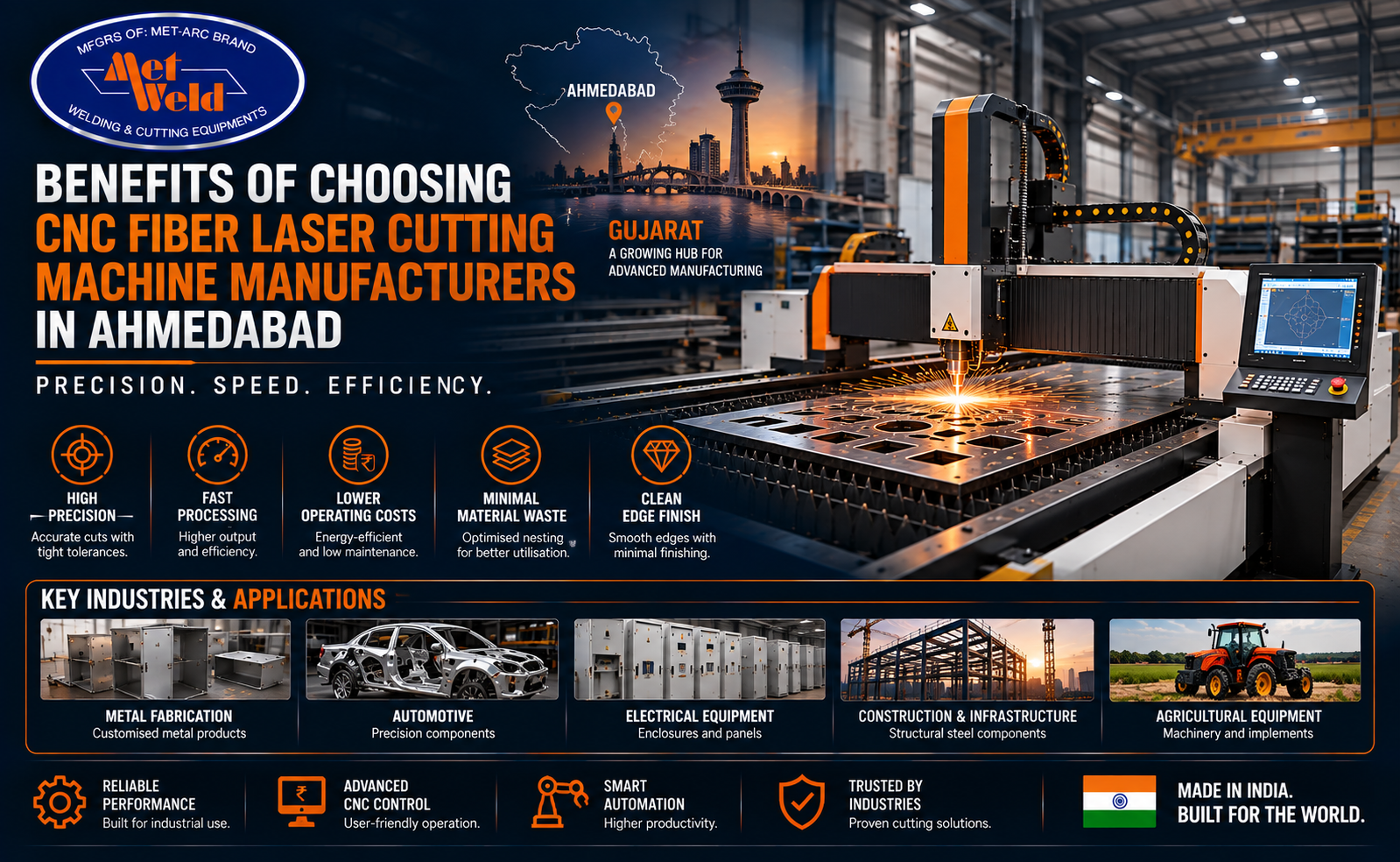
For businesses evaluating CNC laser cutting solutions for structural applications, the important question is not simply how powerful the laser is, but whether the complete machine configuration matches the steel grades, dimensions, thicknesses, component sizes and production volumes involved.
for structural applications, the important question is not simply how powerful the laser is, but whether the complete machine configuration matches the steel grades, dimensions, thicknesses, component sizes and production volumes involved.
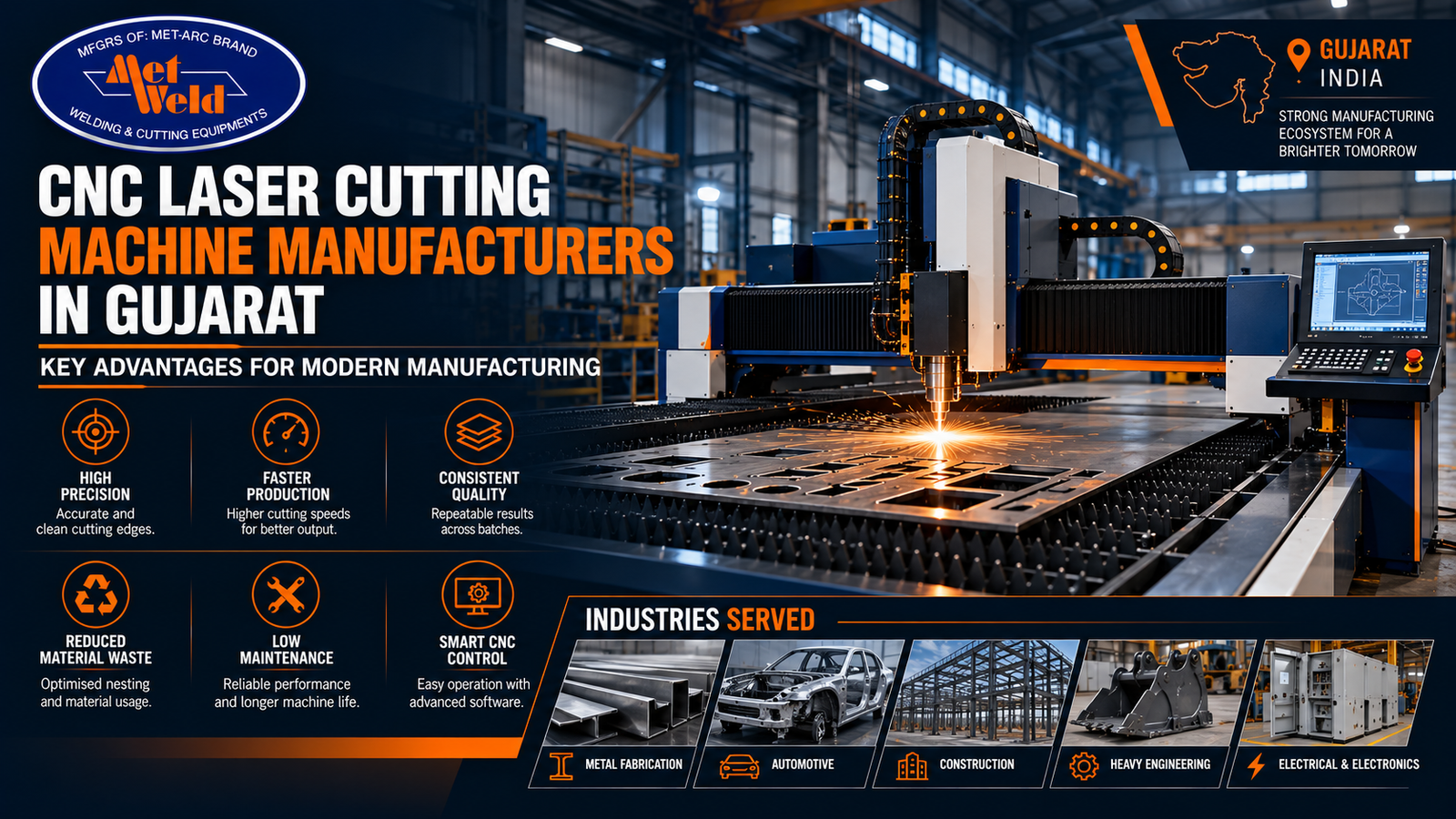
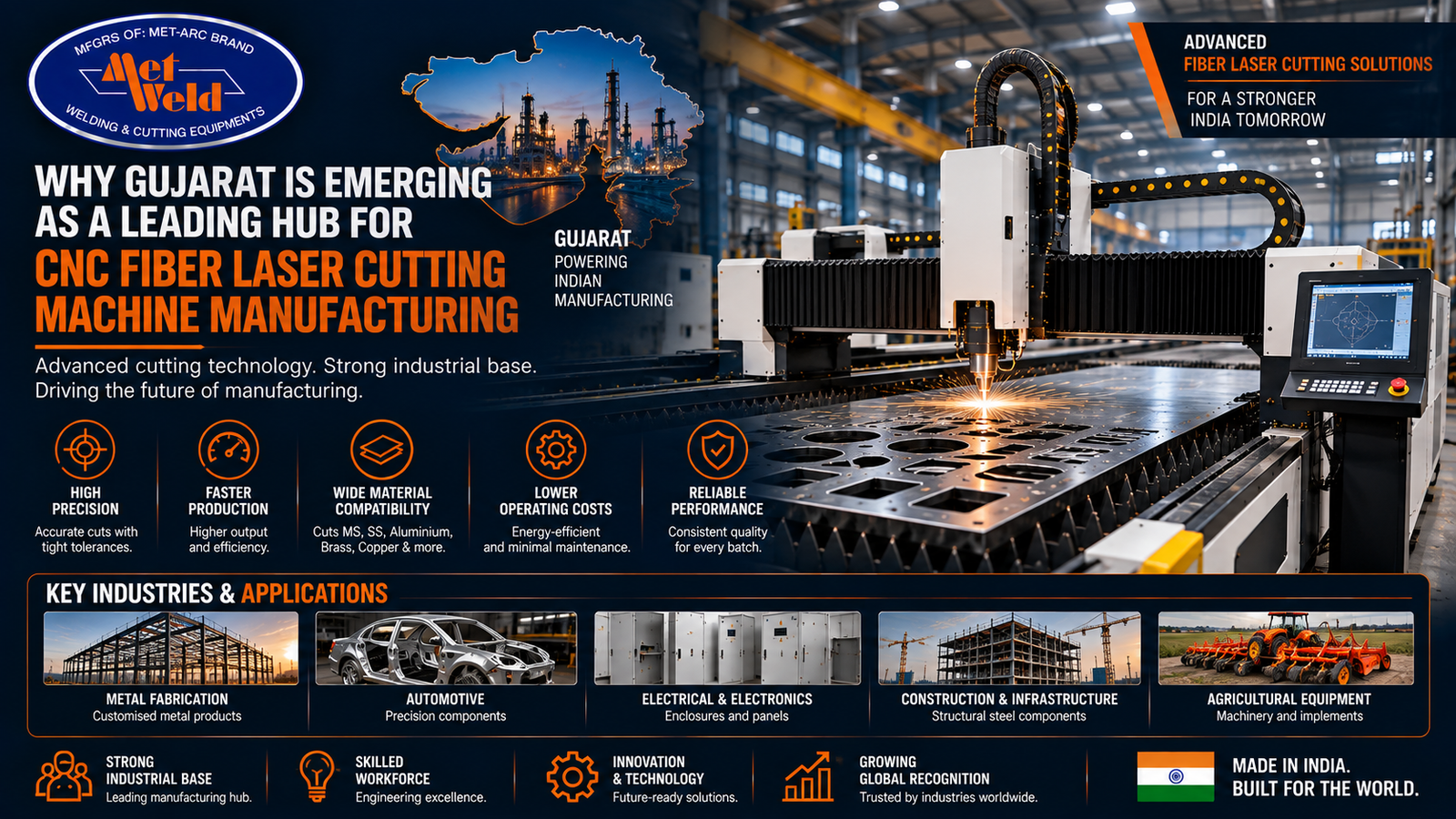
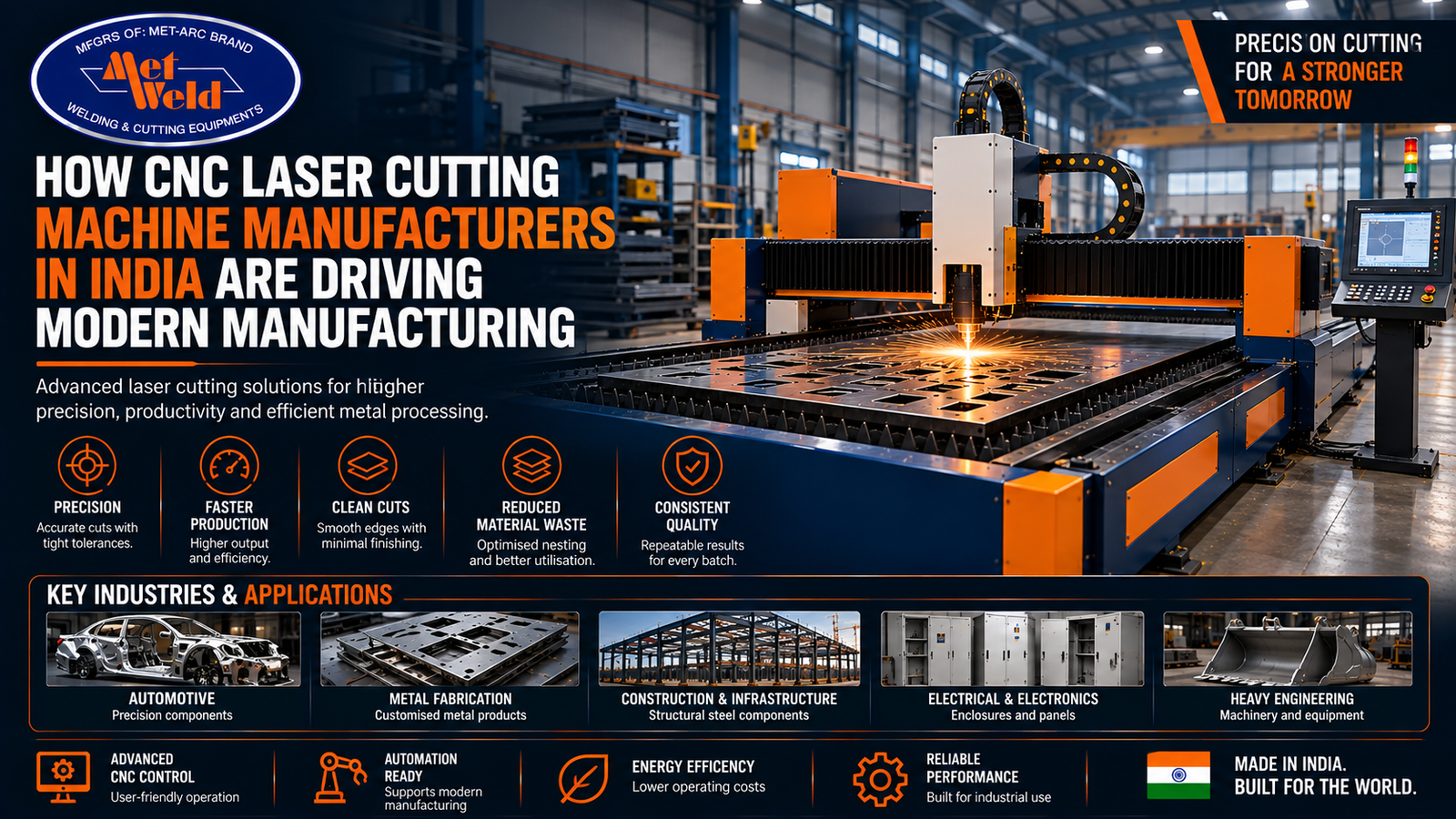
A CNC laser cutting machine for structural steel is an industrial cutting system designed to process steel components according to digitally programmed geometries. The CNC controller coordinates the movement of the cutting head and worktable or gantry while the laser delivers concentrated energy to the material.
In structural fabrication, the machine may be used to create plates, brackets, connection components, support parts and other profiles that become part of a larger welded or bolted assembly. Depending on the configuration, laser cutting can provide clean and repeatable profiles across production batches.
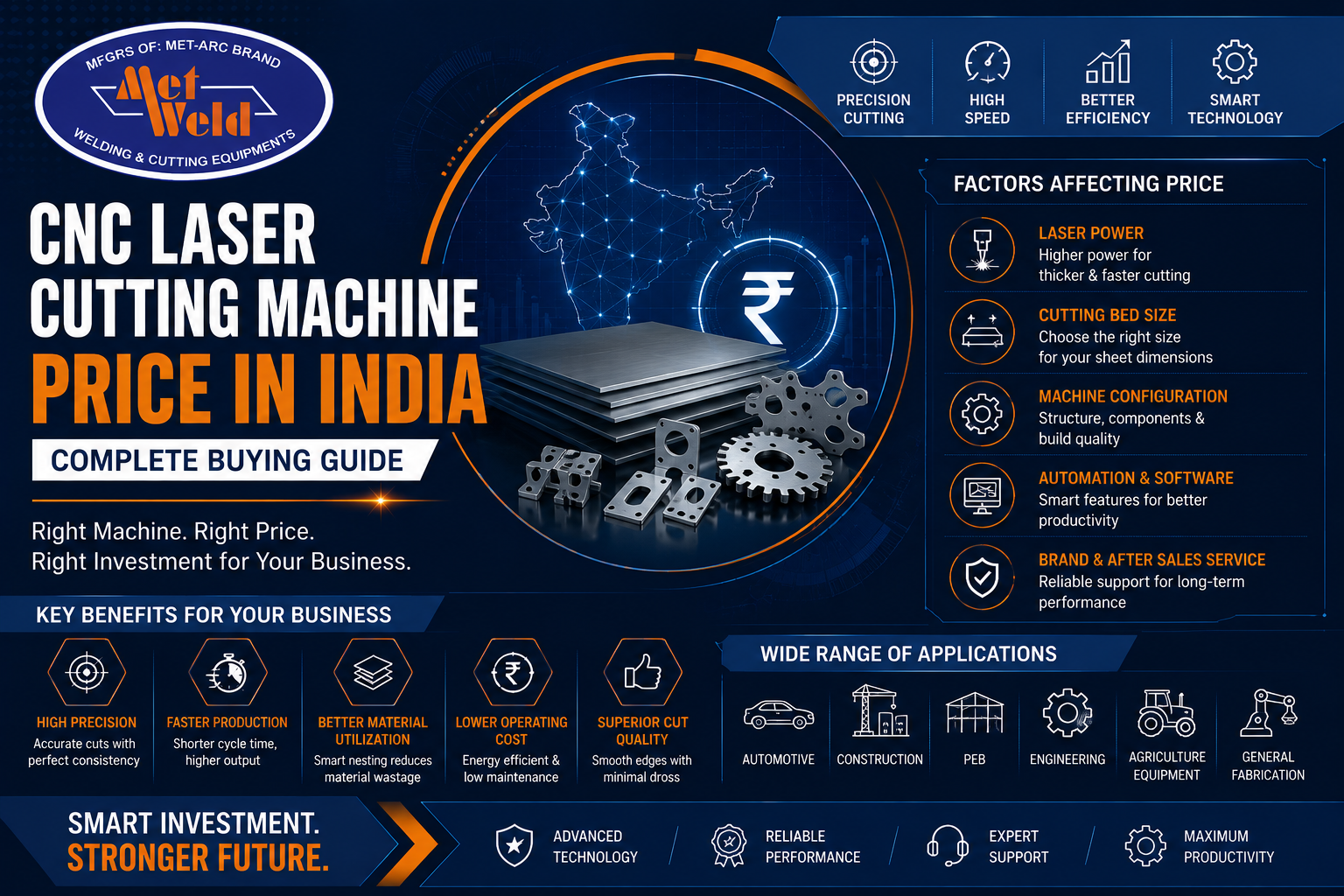
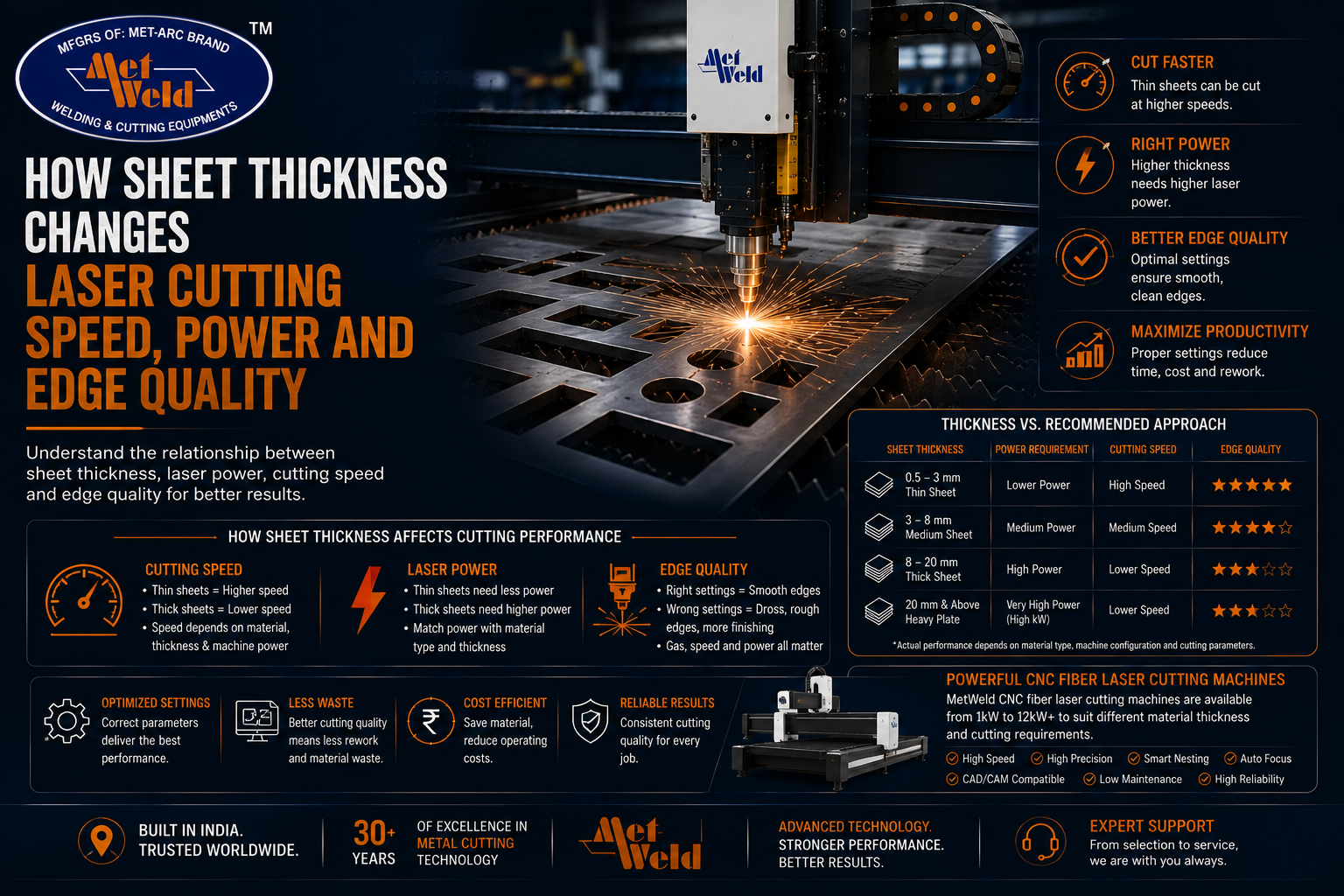
The actual material thickness and component range depend on the laser source, cutting head, machine structure, assist-gas system and other specifications. For this reason, manufacturers should evaluate the complete configuration against their production requirements rather than selecting equipment based only on advertised laser power.
Structural components rarely exist in isolation. Plates, brackets, stiffeners and connection parts must often align with other members during welding, bolting or assembly. Small dimensional variations can become more noticeable when several components are combined into a large structure.
CNC processing helps manufacturers work from defined digital geometry and repeat the same cutting program across multiple components. This can support consistency between batches and reduce dependence on manual measurement for every individual part.
Accurate cutting can also contribute to smoother downstream operations. When profiles and connection features are produced according to the intended design, fabricators may spend less time correcting mismatched components before assembly.
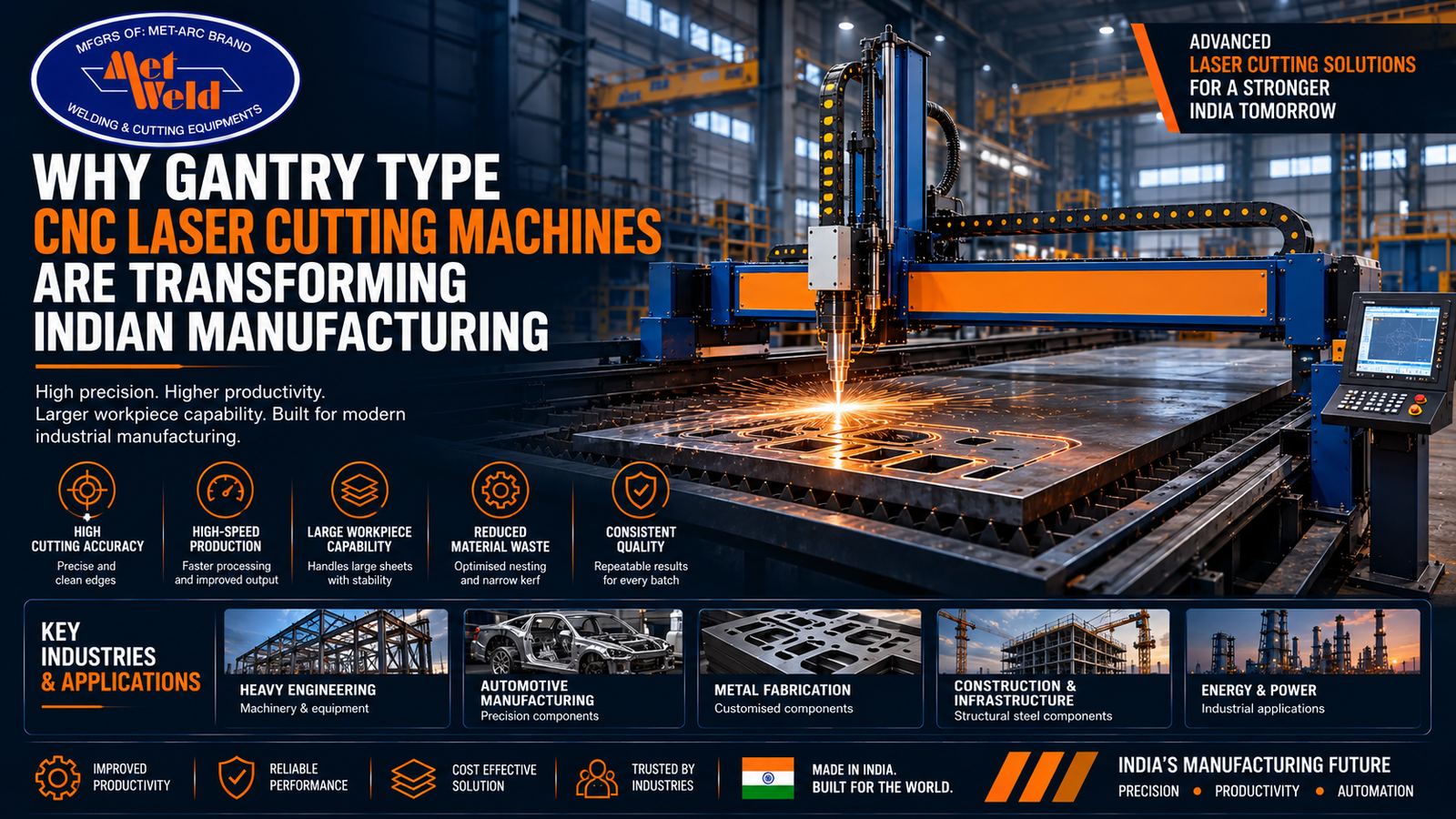
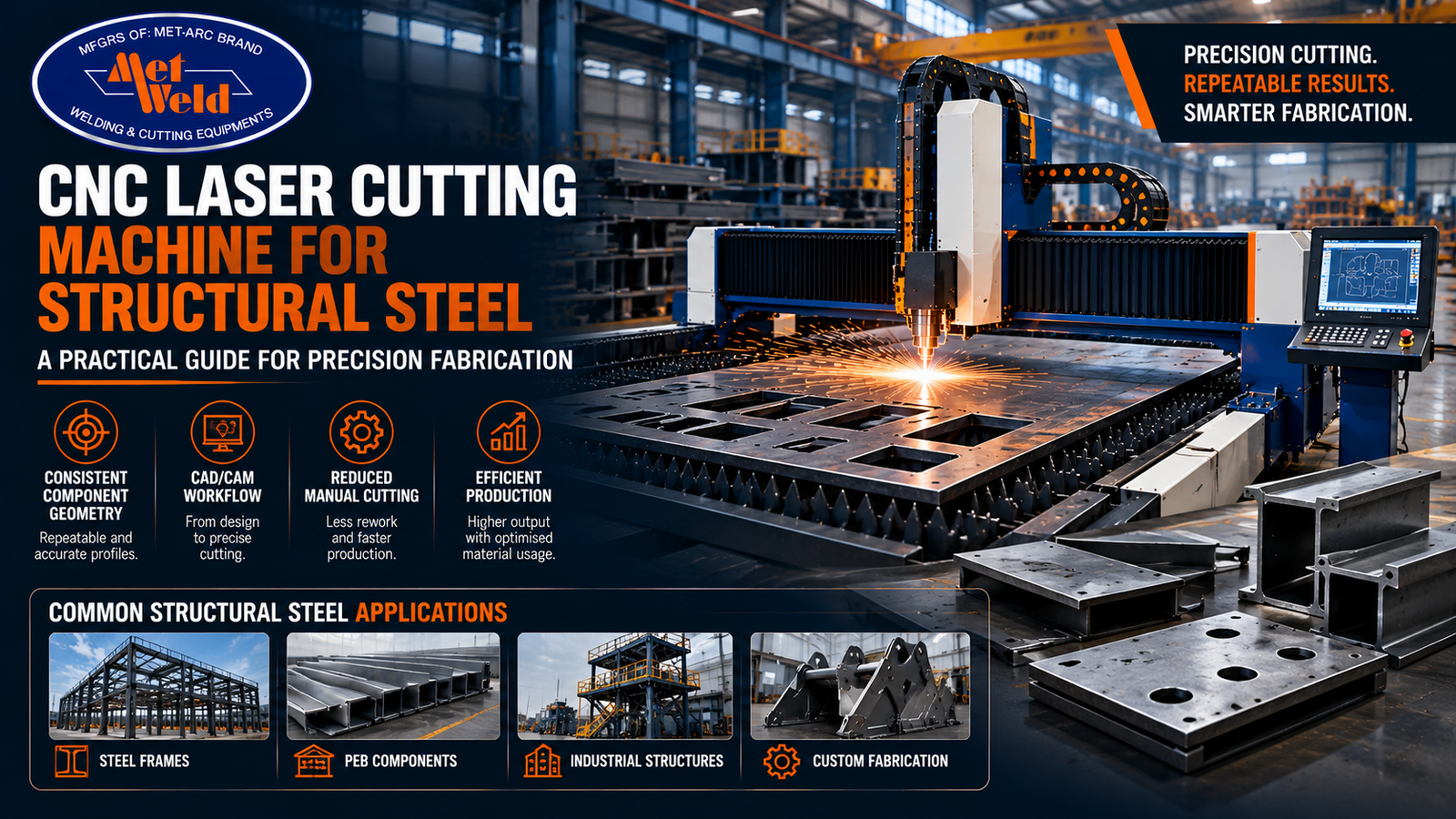
Structural frames used in industrial facilities, machinery, warehouses and infrastructure projects often require accurately cut plates, brackets and supporting components. CNC laser cutting can produce repeatable profiles for these parts when the material and thickness fall within the machine’s operating range.
PEB fabrication involves the production of numerous components that must ultimately fit together according to engineering drawings. A CNC cutting workflow can help manufacturers produce accurately defined parts and connection elements while maintaining consistency across repeated production.
Equipment bases, machine frames, platforms and support structures frequently combine multiple steel components. Laser-cut profiles can be incorporated into these assemblies where the required steel grade and thickness are compatible with the selected machine configuration.
Fabrication companies often handle different drawings and component geometries from one project to another. CNC programming provides flexibility to move between digital designs, making it suitable for job shops and manufacturers working with varied structural components.
Once a cutting program has been verified, the same geometry can be reproduced for multiple parts. This repeatability is particularly useful when structural assemblies contain matching brackets, plates or connection components.
A digital workflow can also make CAD/CAM compatibility important when structural drawings are converted into production-ready cutting jobs.
Manual cutting remains useful for certain applications, but repetitive production can benefit from greater automation. CNC processing can reduce the amount of manual measurement, marking and positioning required for suitable components.
When cutting is programmed around defined component geometries, manufacturers can organize jobs according to material, thickness, quantity and project requirements. This can make it easier to manage batches of structural parts within a planned production schedule.
The first consideration should be the actual structural components being produced. Manufacturers should document the steel grades, minimum and maximum thicknesses, plate or sheet dimensions, typical component sizes and expected production volumes.
Laser power should then be evaluated alongside the cutting head, machine structure, motion system, CNC controller and assist-gas arrangement.
Material handling is another important factor. Larger steel sheets and plates require stable loading, positioning and unloading. The machine’s working area and handling approach should fit the manufacturer’s normal material flow.
Software and programming should also be considered. CAD/CAM compatibility, nesting capabilities, program management and operator usability can influence how efficiently structural drawings are converted into production-ready cutting jobs.
The value of laser cutting is not limited to the moment when a steel sheet is separated. Its impact can continue through welding, assembly and finishing. Consistent profiles can make it easier for fabricators to organize components and prepare them for the next stage.
For repeated structural assemblies, standardized cutting programs can also support production consistency. When the same component is required across several projects or batches, a verified digital program can provide a repeatable starting point rather than recreating the geometry manually.
Where designs require specialized edge preparation or additional fabrication features, manufacturers should evaluate whether those requirements are better handled by a dedicated process or a machine configuration that integrates the required capability.
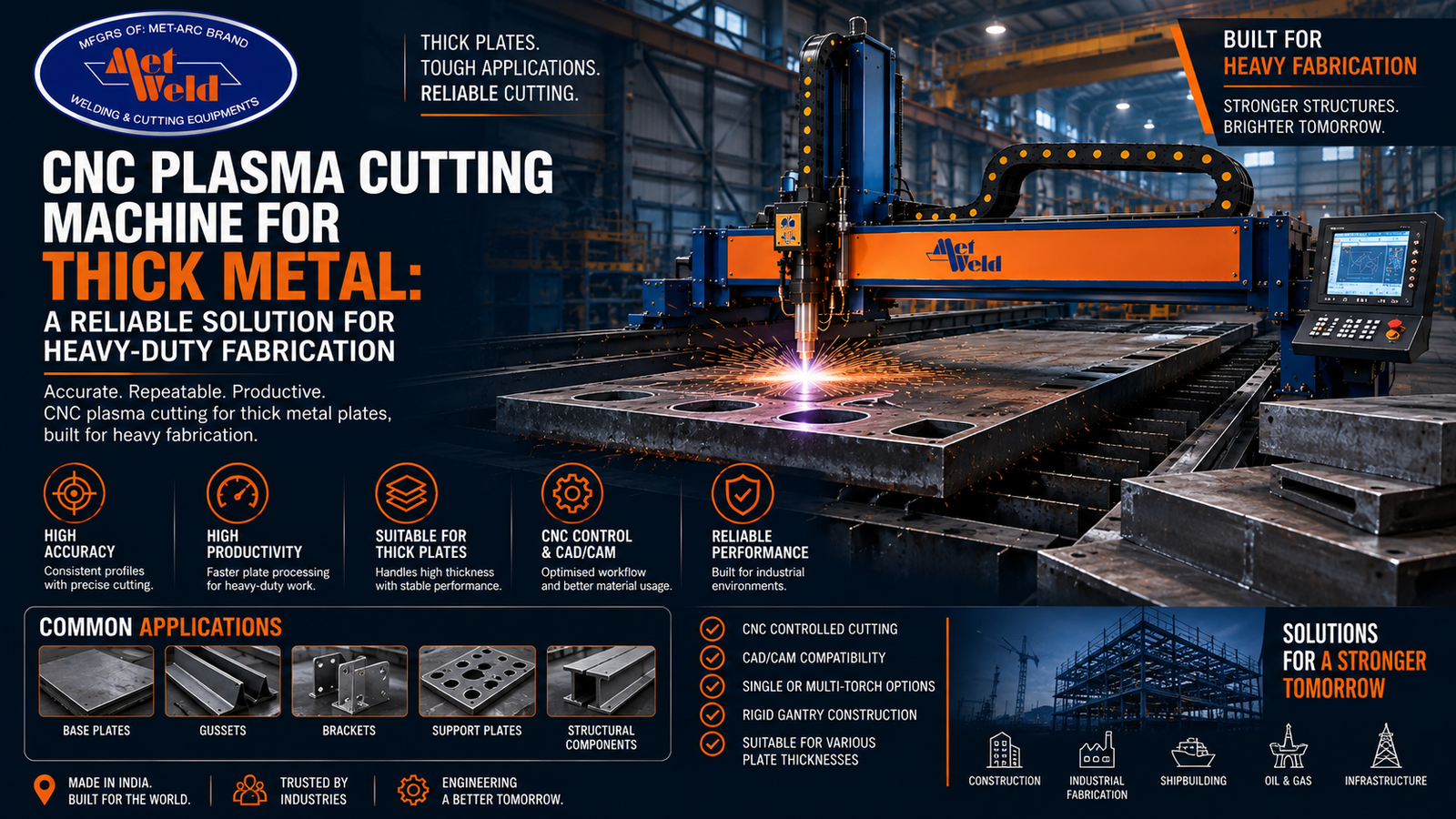
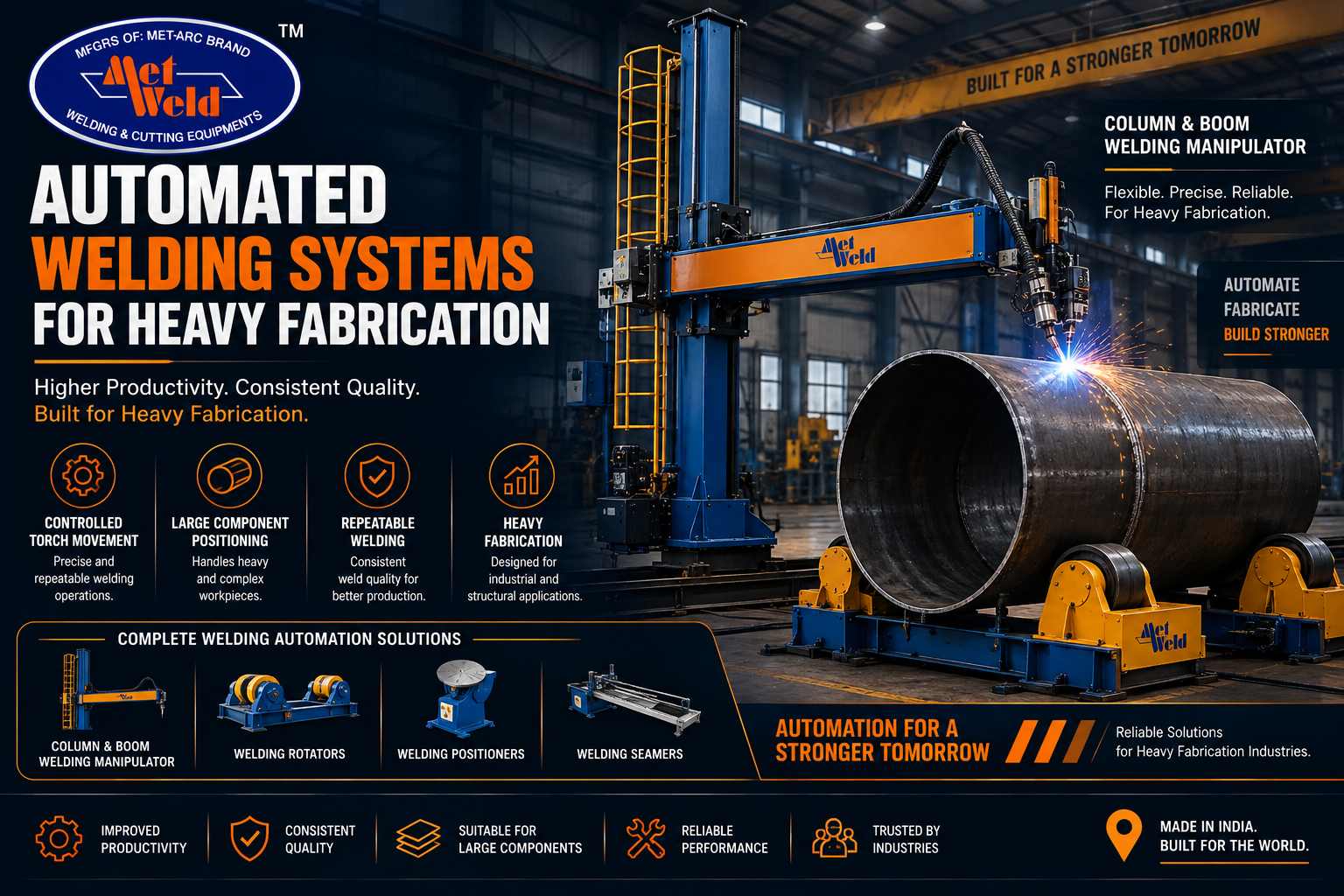
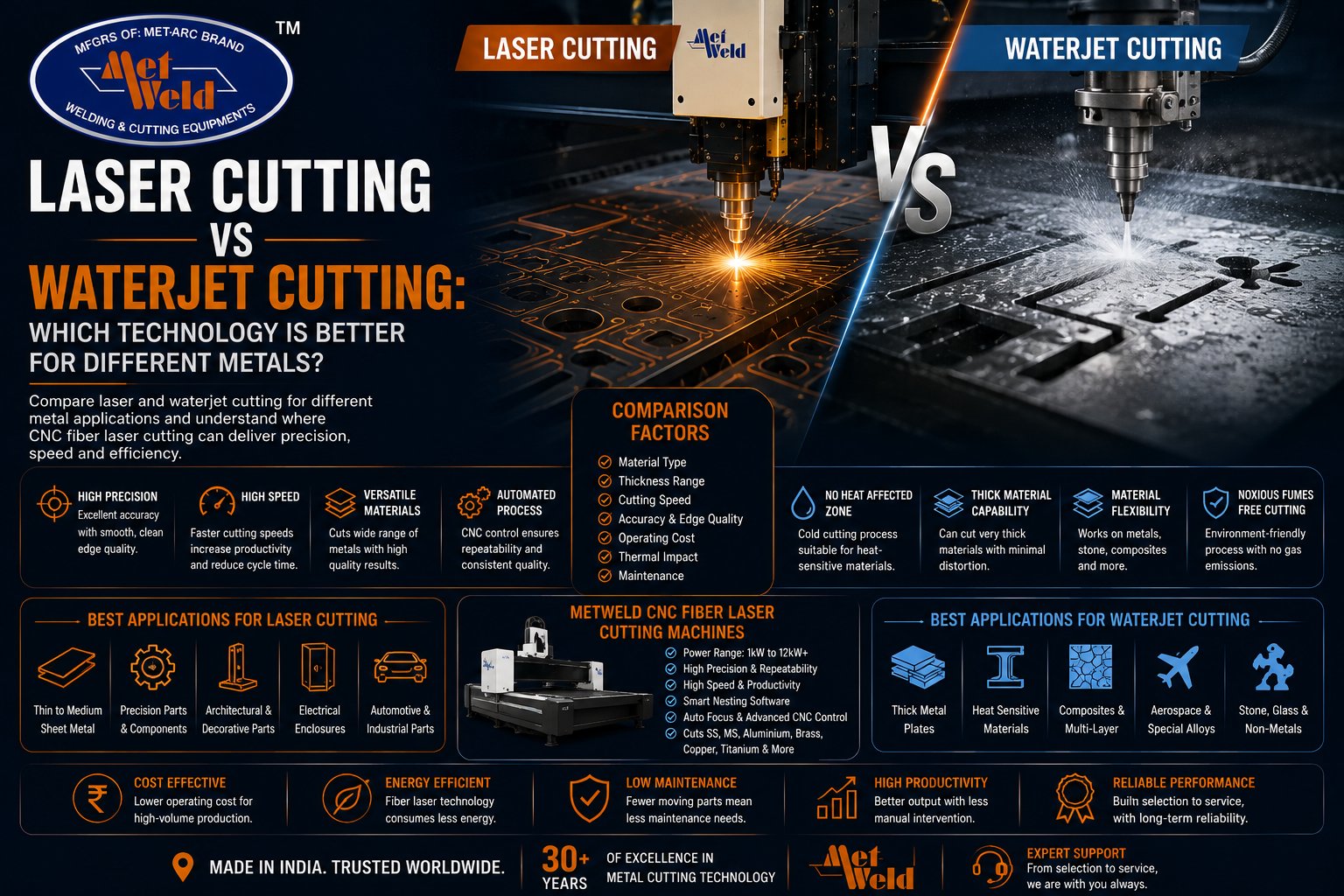
MetWeld is an Indian manufacturer of CNC cutting and welding equipment with a manufacturing history dating back to 1982. Under the MET ARC brand, its portfolio includes CNC laser cutting machines, CNC plasma cutting systems, welding automation and related industrial solutions.
MetWeld’s industrial CNC laser cutting machines can be evaluated as part of this process, with the final configuration matched to the specific application.
can be evaluated as part of this process, with the final configuration matched to the specific application.
A CNC laser cutting machine for structural steel can help fabrication businesses bring greater consistency and digital control to the production of steel components. From structural frames and PEB parts to industrial supports and custom fabricated assemblies, CNC laser processing can provide a repeatable approach to suitable steel cutting applications.
However, the best machine is not simply the one with the highest laser power. Steel grade, thickness, component dimensions, production volume, material handling, software and downstream fabrication requirements all need to be considered together. A properly matched system can support a more organized workflow from digital drawing to cut component.
For manufacturers planning to modernize structural steel fabrication, MetWeld CNC cutting technology can be considered alongside the specific production requirements.
can be considered alongside the specific production requirements. A detailed application assessment is the most reliable way to determine the appropriate machine configuration and ensure the investment supports both current work and future production needs.