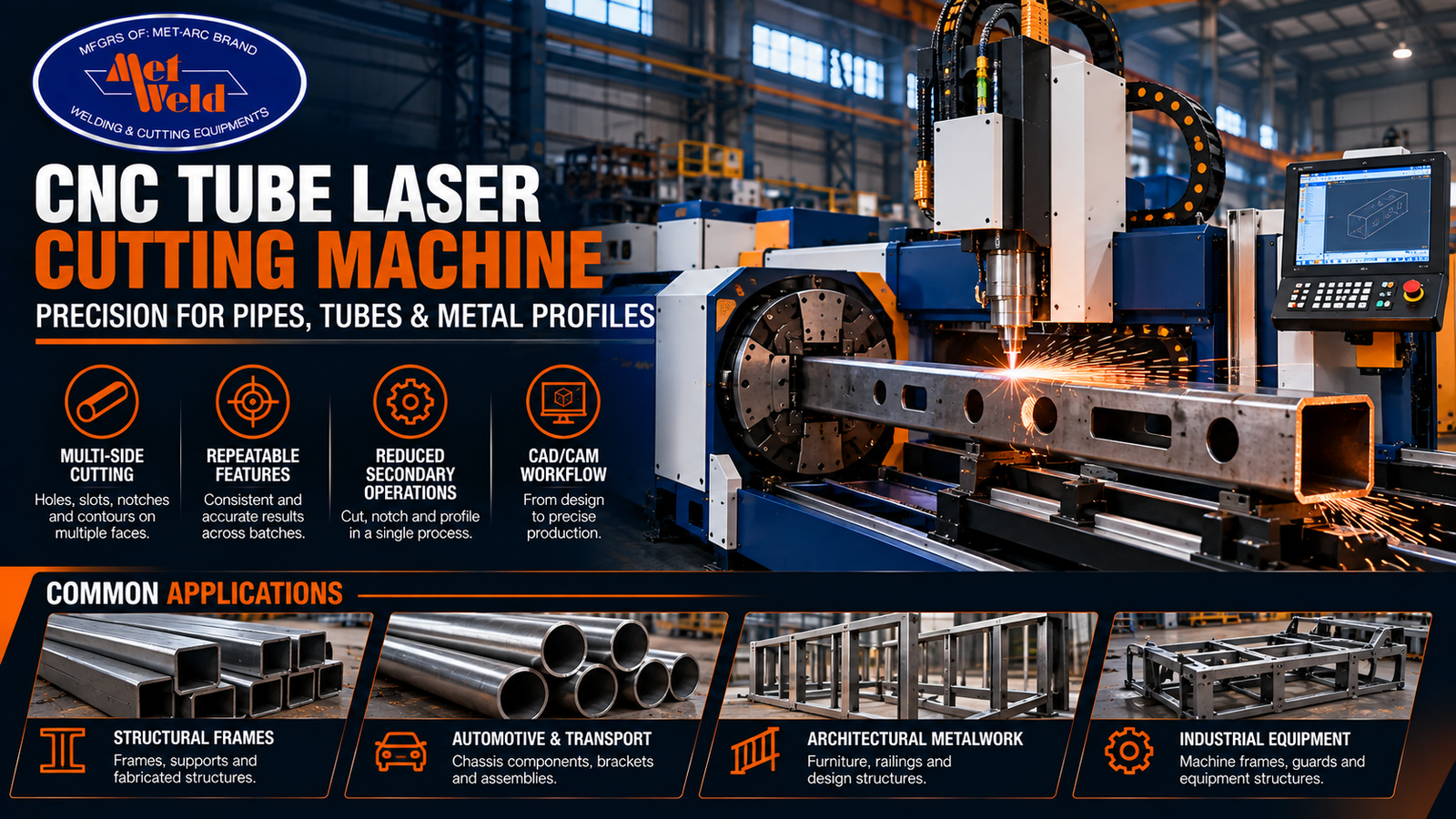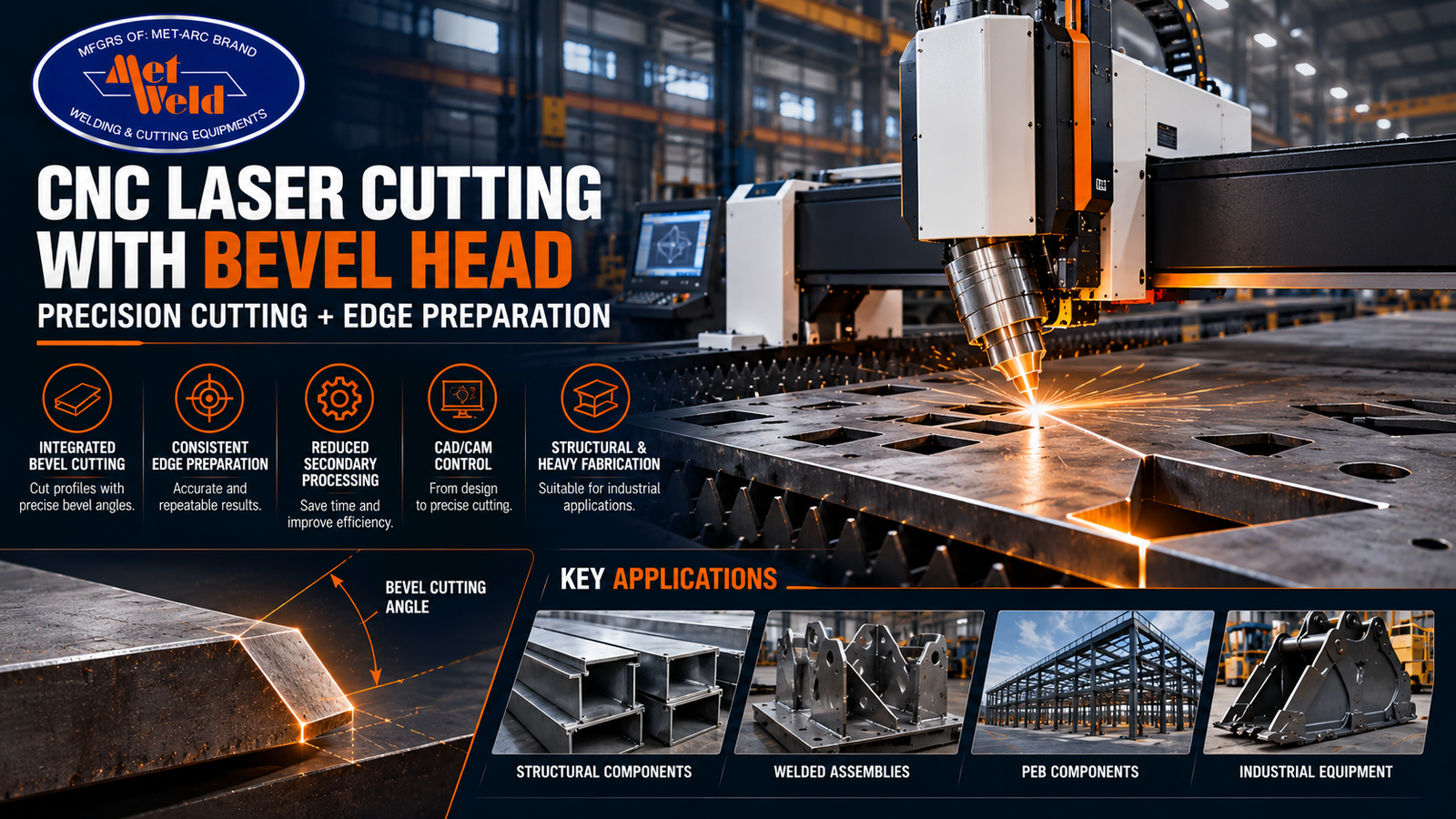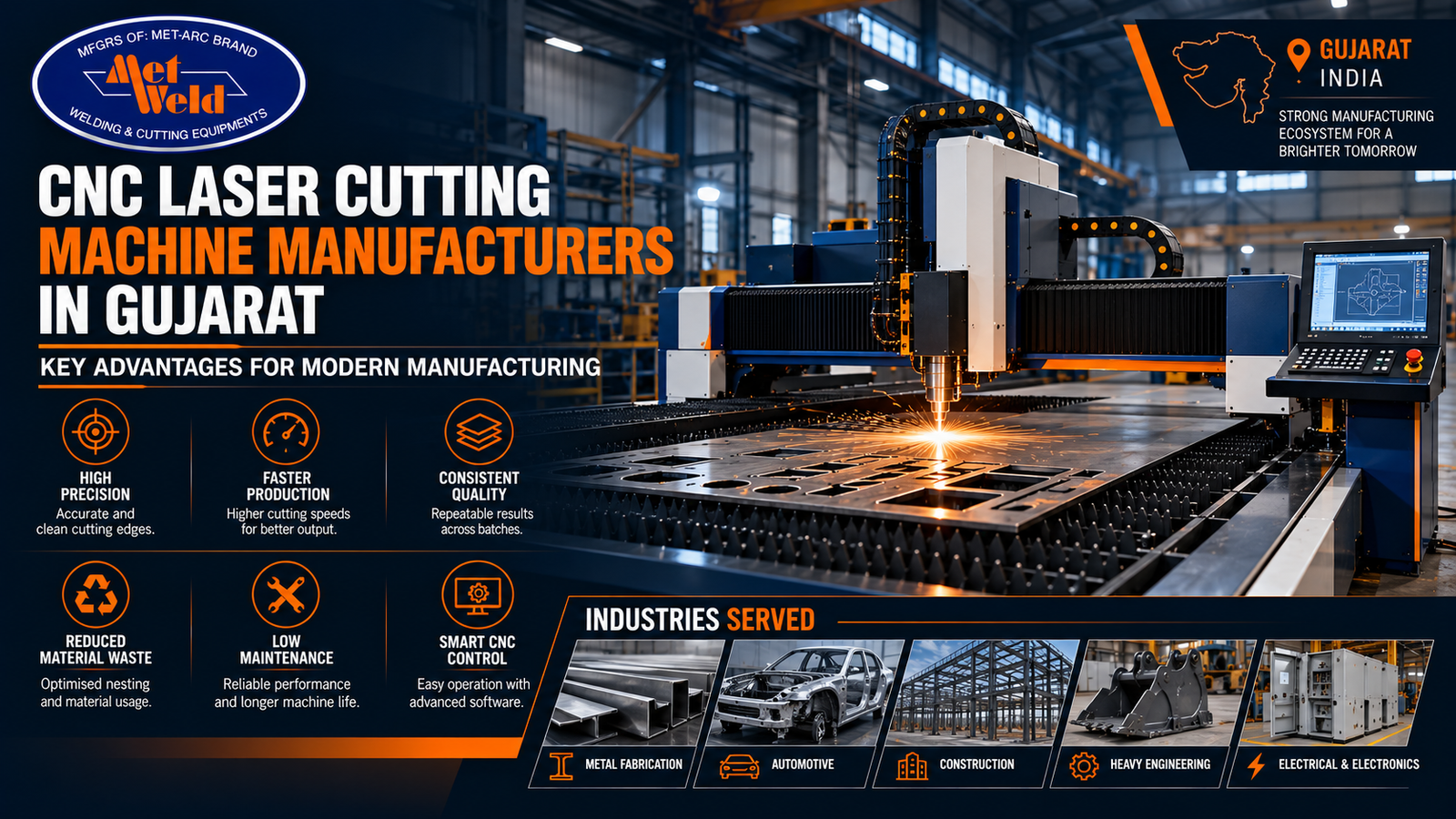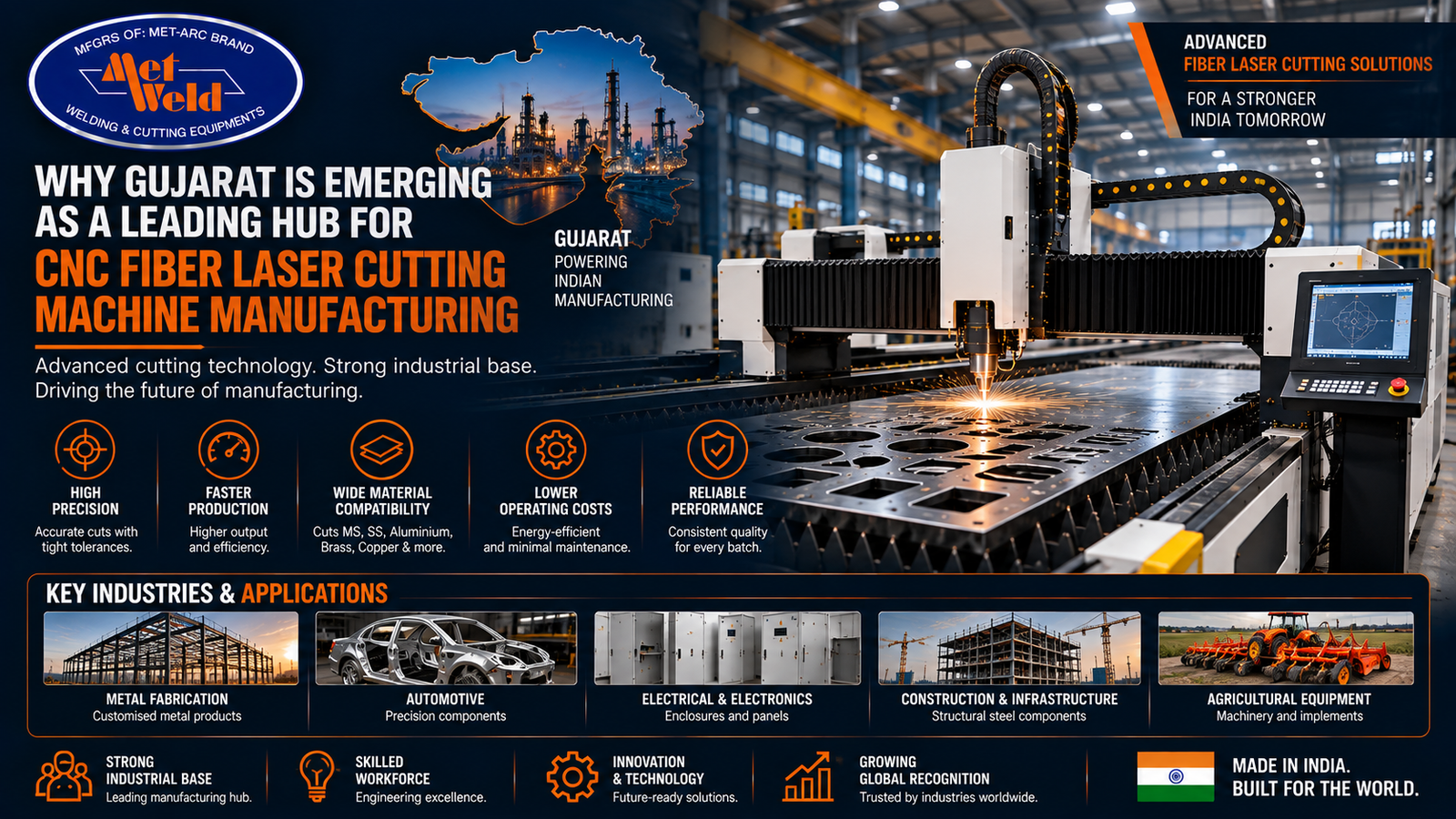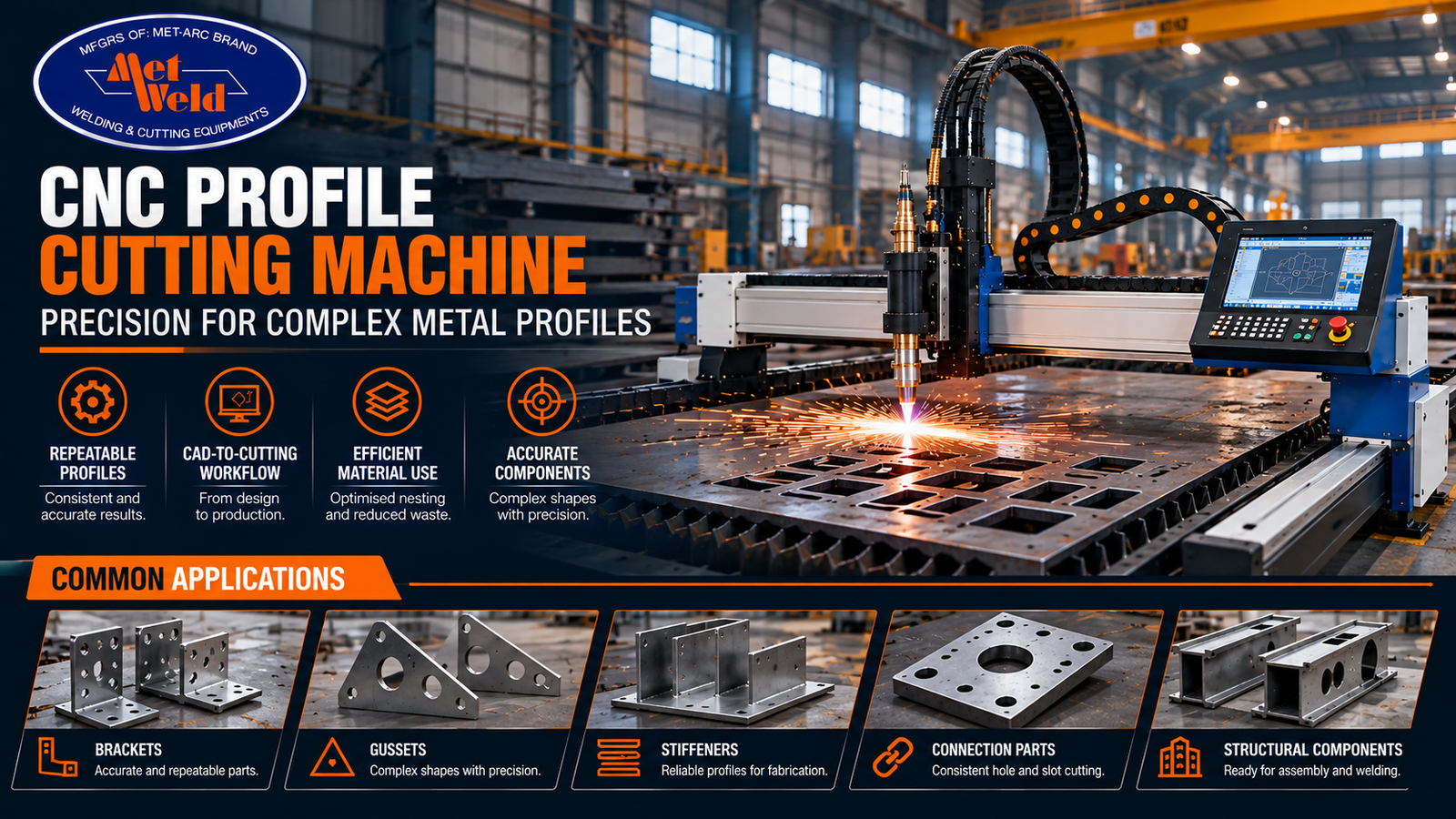
Modern metal fabrication often involves more than cutting straight lines from standard plates. Manufacturers may need brackets, connection parts, gussets, stiffeners, and other components with different shapes and dimensions. Manual profile cutting can introduce variations in marking and torch movement. A CNC Profile Cutting Machine provides a controlled approach by converting digital designs into programmed cutting paths.
For fabrication businesses handling repeated components or demanding production schedules, CNC-based profile cutting can bring greater control to the cutting stage. The machine follows programmed coordinates, allowing shapes to be reproduced with consistent dimensions while reducing dependence on manual layout and cutting. MetWeld provides CNC cutting systems for industrial metal fabrication, including configurations designed for profile and plate processing.
A CNC profile cutting machine is an automated metal cutting system that uses computer numerical control to guide a cutting tool along a predefined profile. The required component geometry is prepared digitally and translated into machine instructions. During operation, the cutting head follows the programmed path to produce the required shape from a metal plate or suitable workpiece.
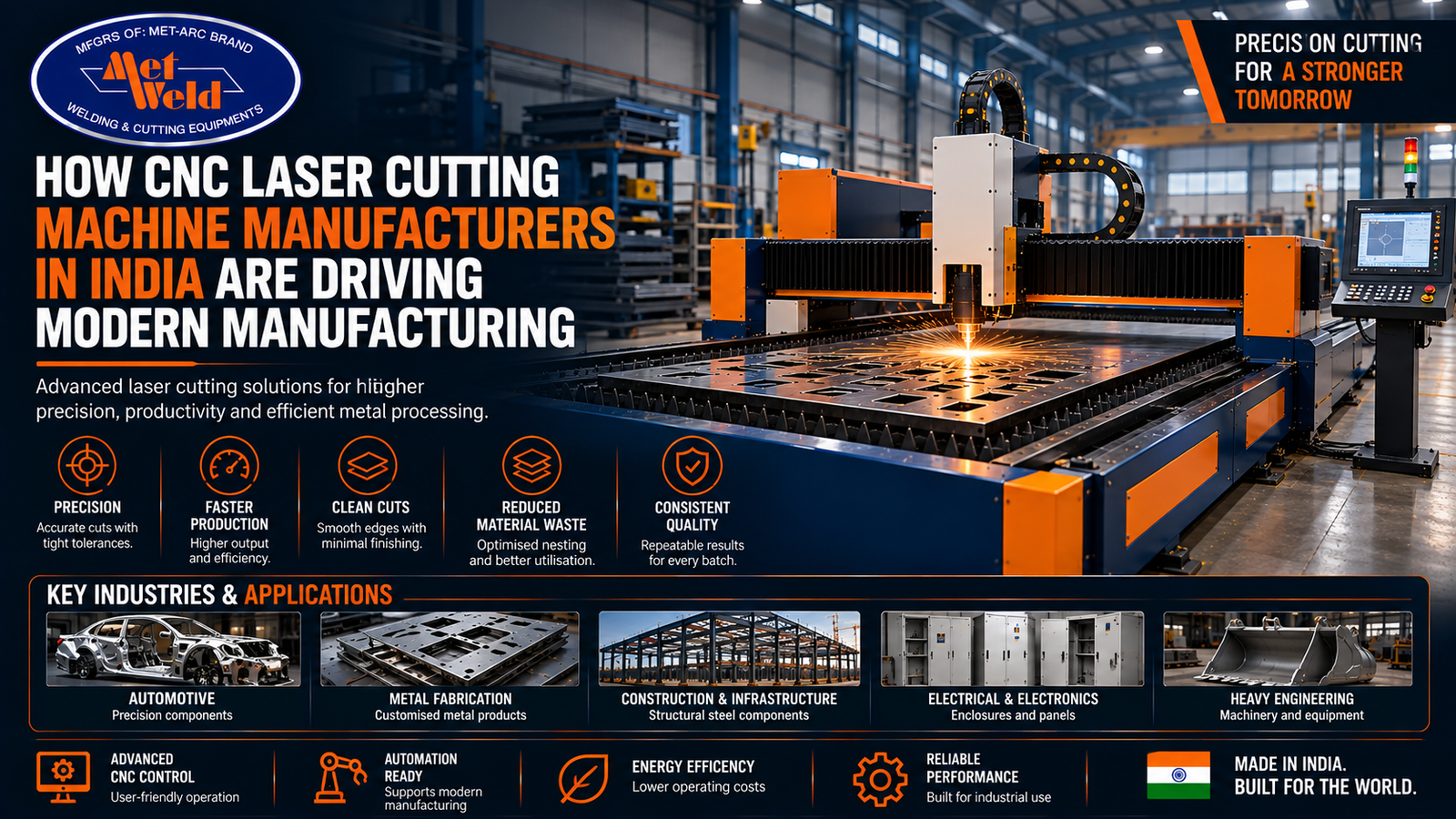
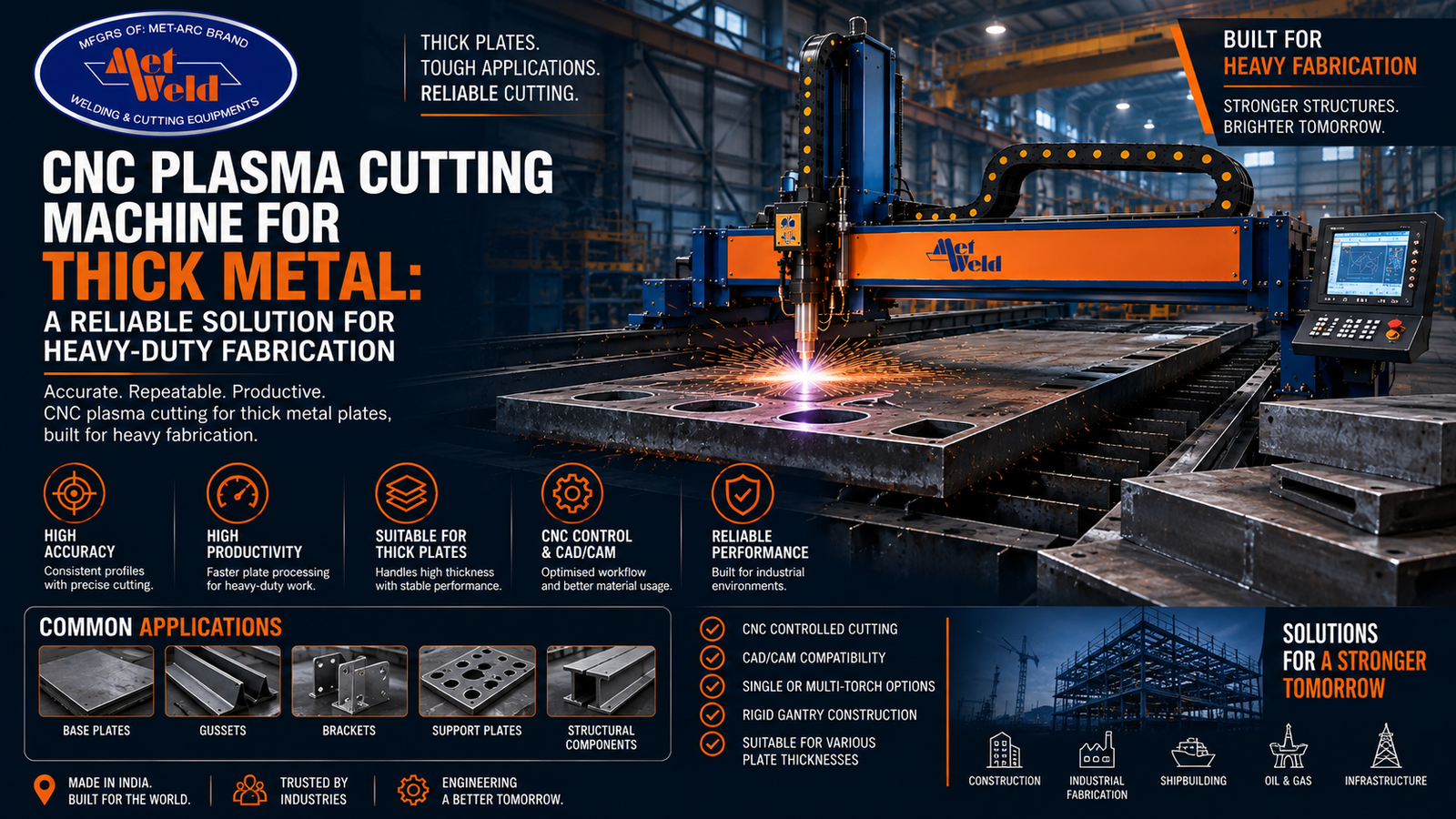
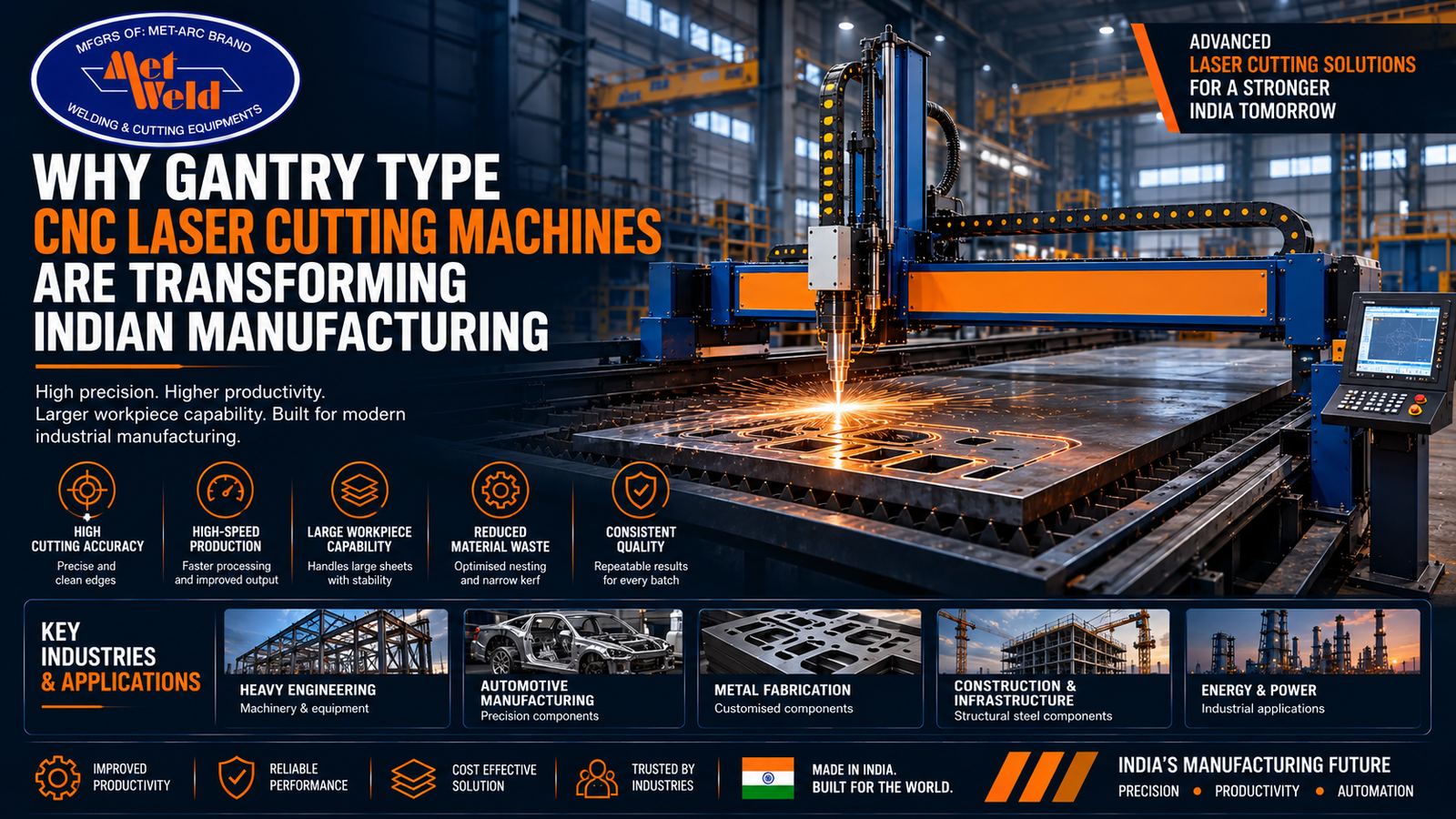
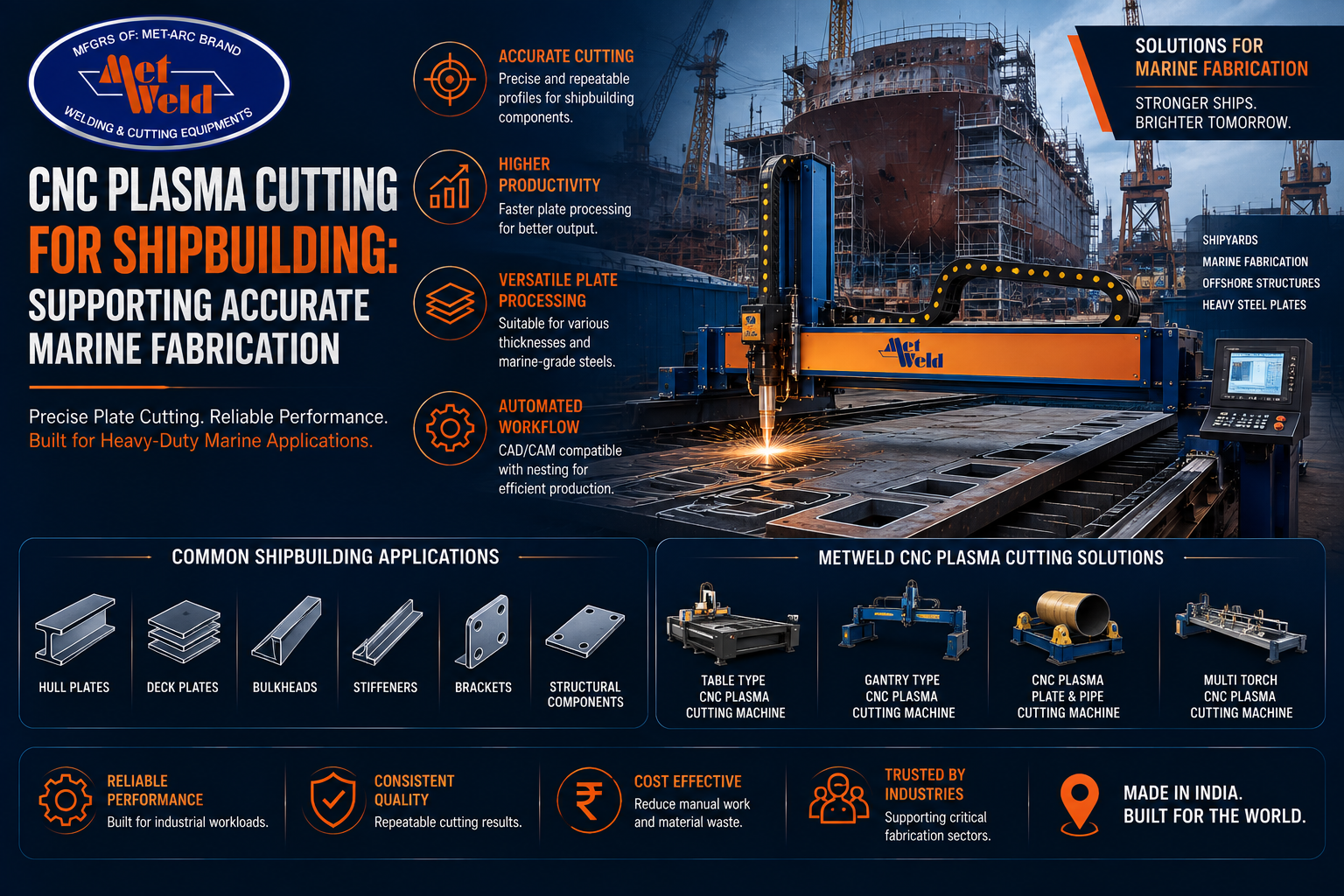
Depending on the application, profile cutting systems can use plasma or other cutting processes selected according to material, thickness, production requirements, and desired edge characteristics. MetWeld’s range includes portable CNC plasma and profile cutting machines as well as larger CNC plasma configurations, allowing manufacturers to choose equipment according to their workspace and fabrication needs.
The main advantage is controlled movement. the CNC system maintains the programmed path and can repeat the same geometry across multiple components.
Accuracy in profile cutting starts before the cutting head moves. A digital drawing defines the geometry, while CNC controls coordinate movement across the cutting area, creating a structured connection between design and production.
For repeated parts, the same program can reproduce a profile with consistent dimensions. Consistent hole locations, slots, contours, and external edges can reduce fitting corrections later in production.
A reliable CNC profile cutting machine can reduce variation from manual cutting. Actual accuracy depends on machine configuration, process, material, consumables, programming, and operating conditions, but CNC control provides a repeatable foundation.
A productive profile-cutting workflow connects design, programming, material preparation, cutting, and inspection. The process generally begins with a CAD drawing containing the required dimensions and geometry. The drawing is prepared for CNC cutting, with cutting paths, lead-ins, pierce points, and other process parameters considered according to the machine and material.
The next stage is material positioning. Once the program is verified, the CNC system controls movement according to the selected parameters.
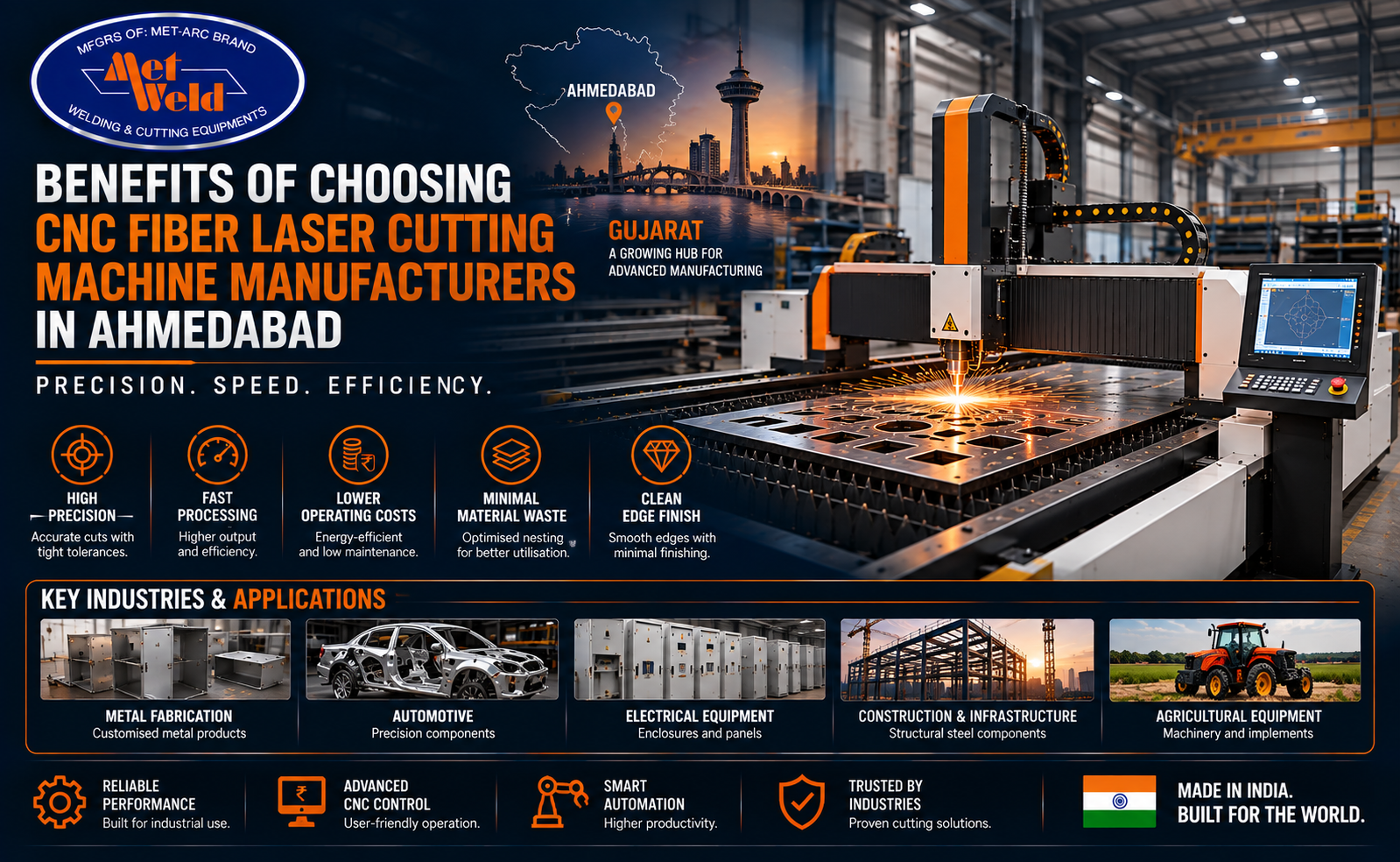
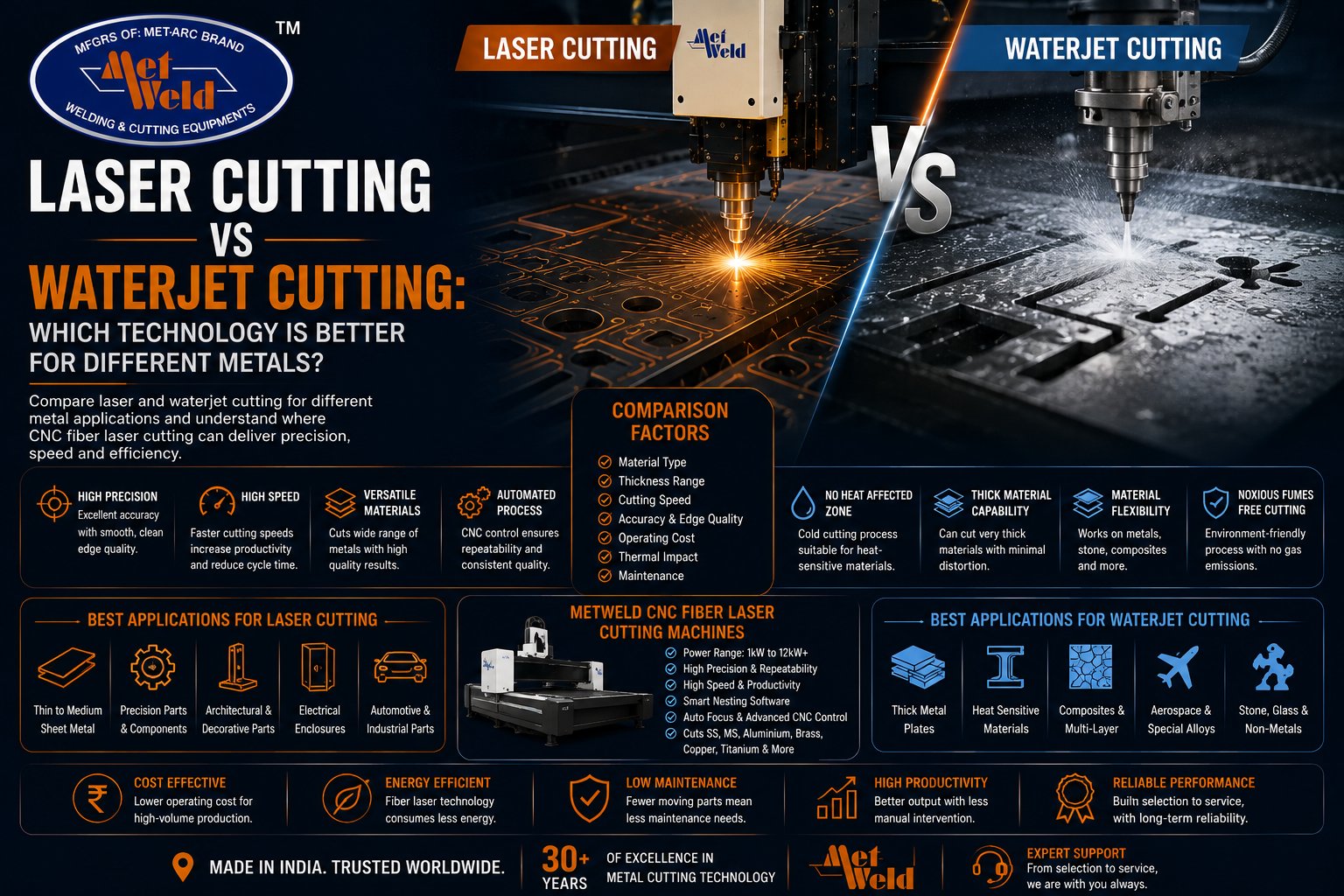
After cutting, finished profiles can be inspected for dimensional accuracy, edge condition, and conformity with the drawing. This creates a repeatable path from engineering design to physical component. For businesses using CNC laser cutting solutions, the same digital-production philosophy can support applications where laser processing is more appropriate.
Choosing a profile cutting system should begin with the actual production requirement rather than machine specifications alone. Material type and thickness are important because they influence the appropriate cutting process and power requirement. Mild steel, stainless steel, and other conductive metals can require different process settings and consumables.
The working area is another consideration. Fabricators processing large plates or structural components need a machine bed that accommodates typical workpiece dimensions. Businesses with mobile or site-based requirements may instead benefit from a portable configuration.
Production volume also matters. A machine for occasional fabrication has different requirements from a high-volume system. CNC control capability, motion stability, cutting speed, software compatibility, torch configuration, maintenance, and after-sales support should be considered together.
A machine should also fit the existing workflow. Compatibility with design and programming systems can simplify the transition from drawing to production and help operators manage repeat jobs more efficiently.
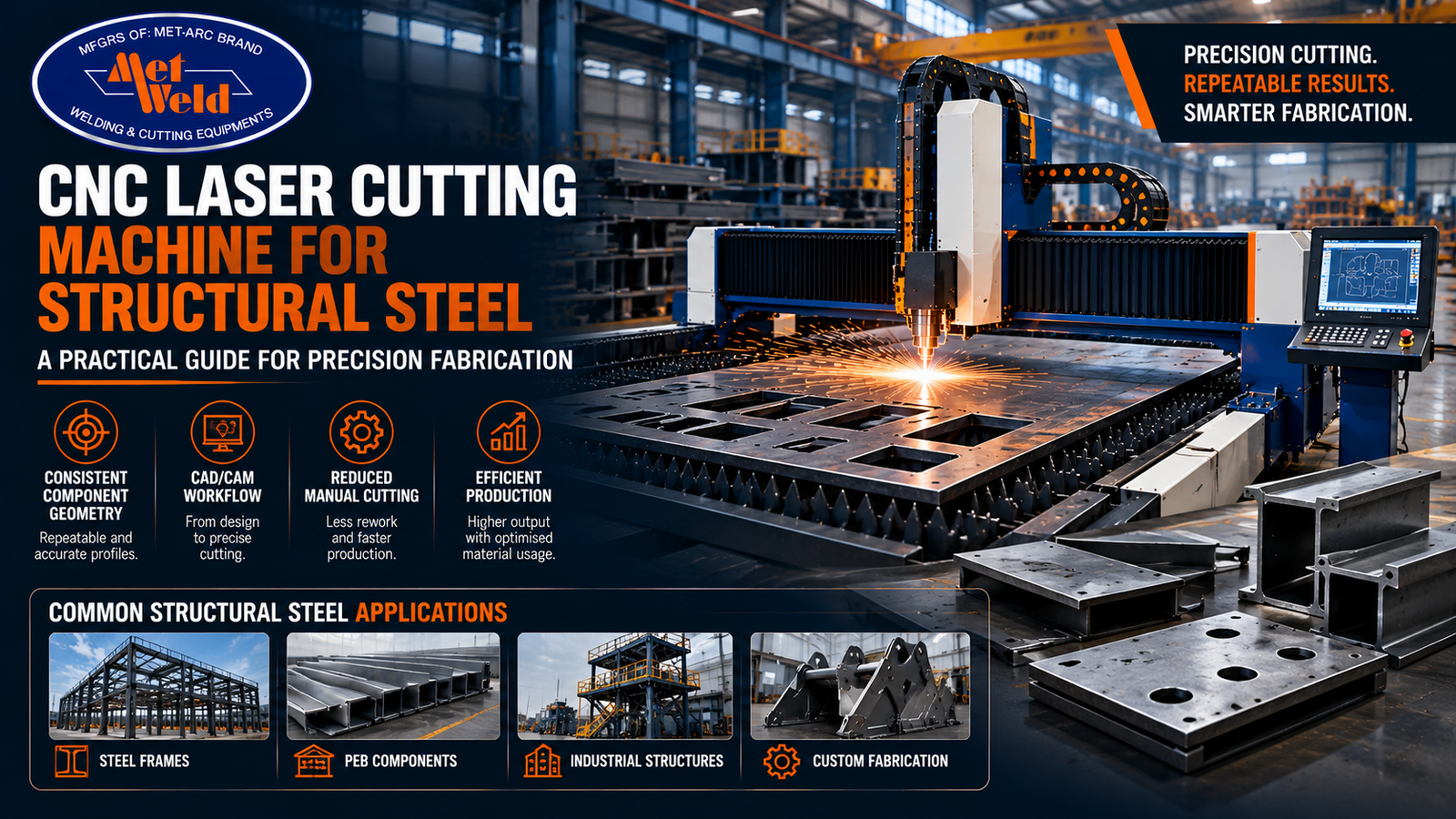
CNC profile cutting is useful wherever manufacturers need repeatable metal shapes and components. Structural steel fabrication uses profile cutting for plates, brackets, stiffeners, gussets, connection components, and other fabricated parts. Construction equipment manufacturers may use CNC cutting to prepare accurately shaped components before forming and welding.
The technology is also relevant to railway manufacturing, shipbuilding, material handling, agricultural equipment, pressure vessel fabrication, and general engineering. Each application differs, but the underlying need is similar: convert engineering geometry into consistent components.
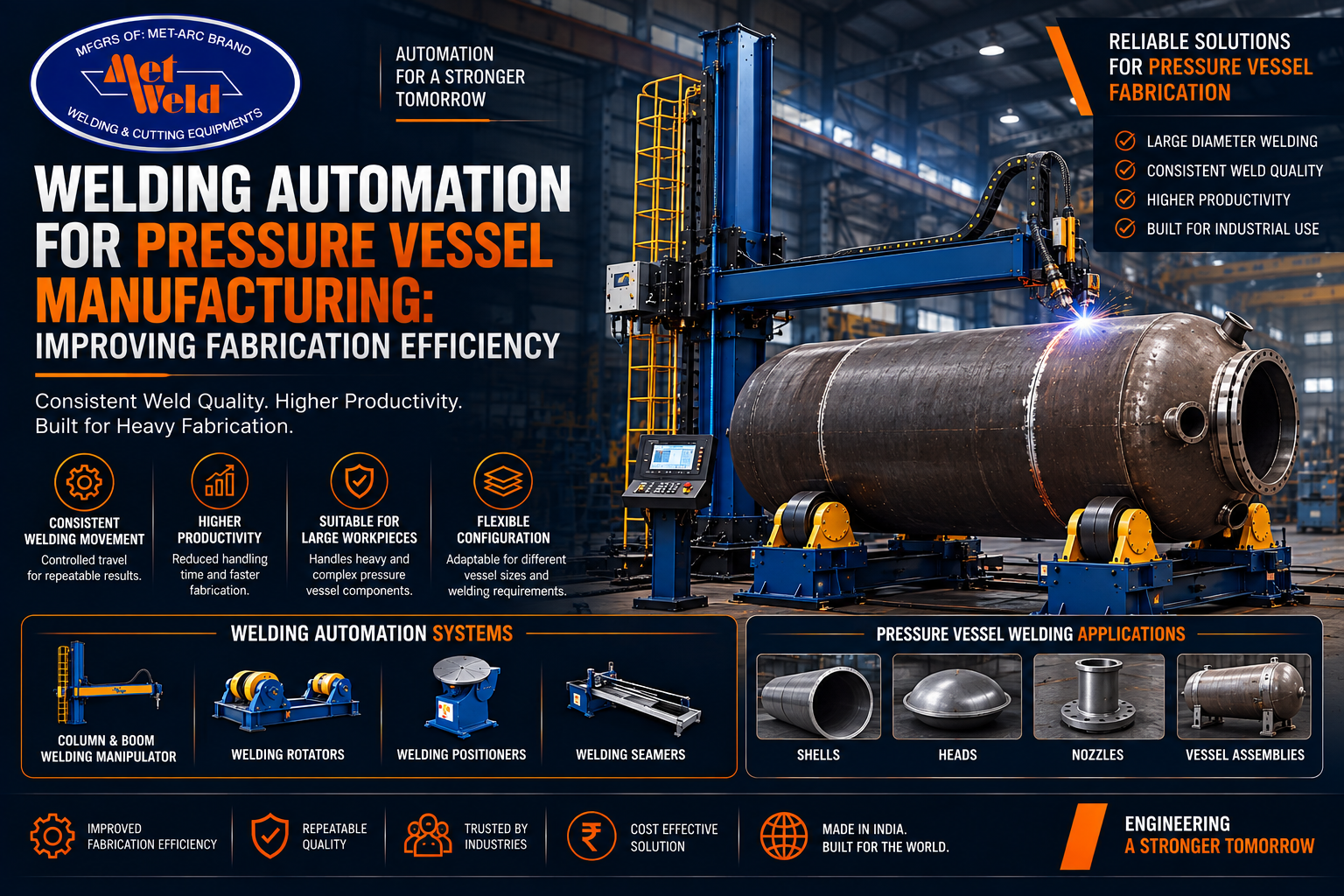
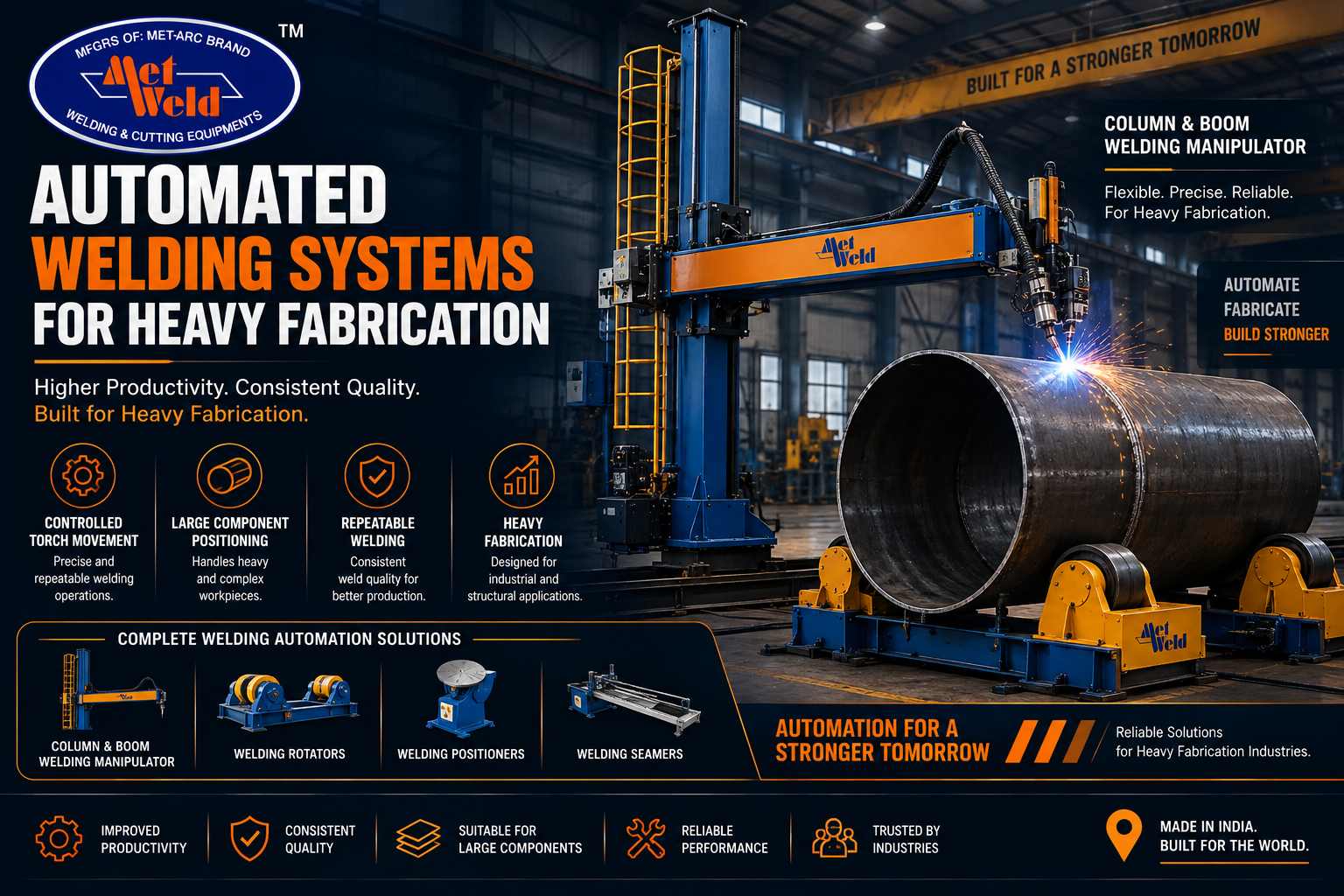
For larger fabrication operations, profile cutting can become part of a broader workflow. Nesting, programming, material handling, cutting, inspection, and welding can be organized as connected production stages, making the cutting department more predictable.
The value of a CNC profile cutting machine is not limited to faster cutting. Repeatability can help maintain consistency across batches, while digital programming can reduce repeated manual marking. Better nesting can improve material utilization by arranging multiple profiles efficiently within available plate space.
CNC cutting can also support production planning. Once programs are prepared and verified, repeat jobs can be scheduled with greater predictability. This is valuable for fabricators working against delivery deadlines or processing families of similar components.
Another benefit is design flexibility. Digital cutting paths allow manufacturers to produce irregular contours, internal openings, slots, and other geometries without creating a separate manual template for every part. When combined with suitable plasma or cutting technology, this flexibility can support both standard and customized fabrication work.
The right system therefore supports consistent components, organized workflows, efficient material use, and dependable repeatability.
A CNC cutting machine operates as a system, so long-term performance depends on more than the cutting source. The machine structure, guideways, drive mechanisms, CNC controls, electrical components, torch arrangement, and software all contribute to the final cutting result.
Rigid construction can help maintain stable motion, while dependable controls make programmed operation easier to manage. For industrial users, service support is equally important. Installation, operator training, troubleshooting, spare parts, preventive maintenance, and technical assistance can affect the practical value of a machine throughout its operating life.
MetWeld has been manufacturing welding and cutting equipment in Ahmedabad since 1982 and began manufacturing CNC plasma cutting machines in 2011. Its portfolio includes CNC plasma, laser cutting, welding automation, and related industrial equipment. For buyers evaluating CNC cutting machine technology, considering engineering capability and service support alongside machine specifications can lead to a more informed investment.
A CNC profile cutting machine can bring structure and repeatability to metal profile production. By connecting digital drawings with controlled cutting movement, it helps manufacturers produce complex shapes consistently while reducing dependence on manual layout.
The best machine choice depends on material, thickness, workpiece size, production volume, cutting process, software workflow, and service requirements. Fabricators should evaluate these factors together rather than selecting equipment based only on cutting speed or headline specifications.
For businesses modernizing profile fabrication, a well-matched CNC system can become an important part of production. With suitable configuration, programming, material planning, and technical support, CNC profile cutting can create a more accurate and efficient route from engineering drawing to finished component. Manufacturers considering CNC plasma profile cutting machines should evaluate the complete production requirement before selecting a configuration.