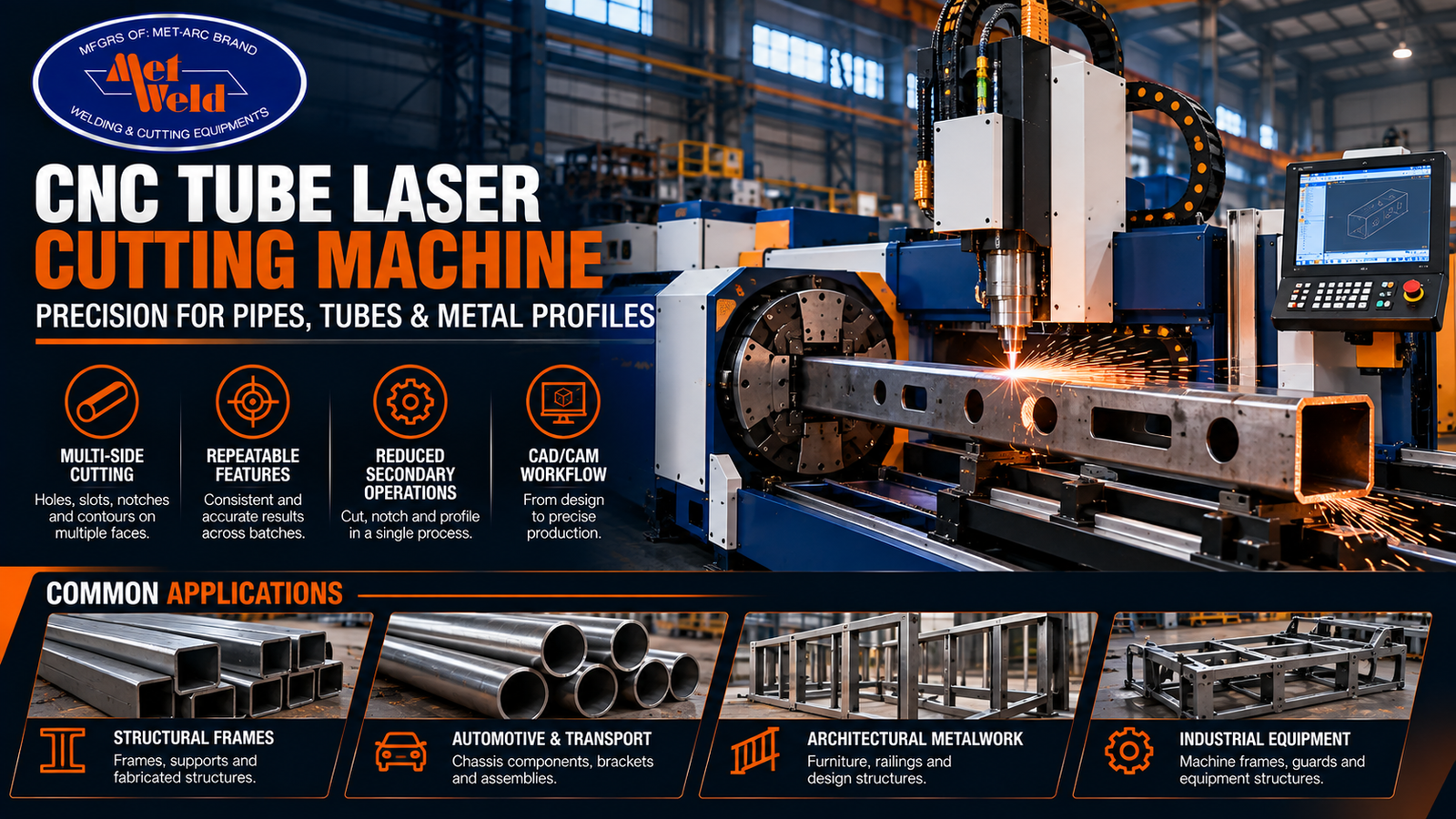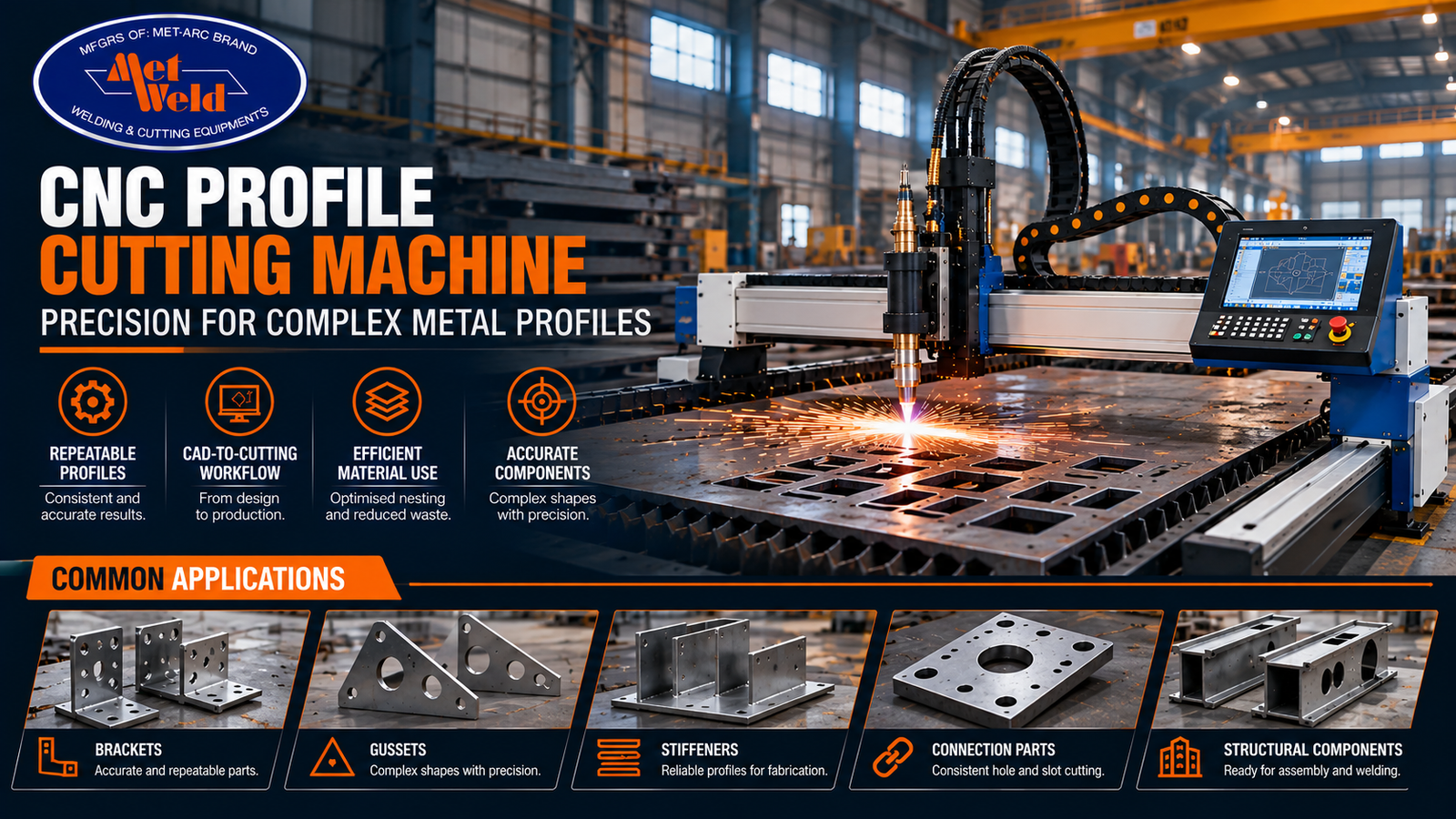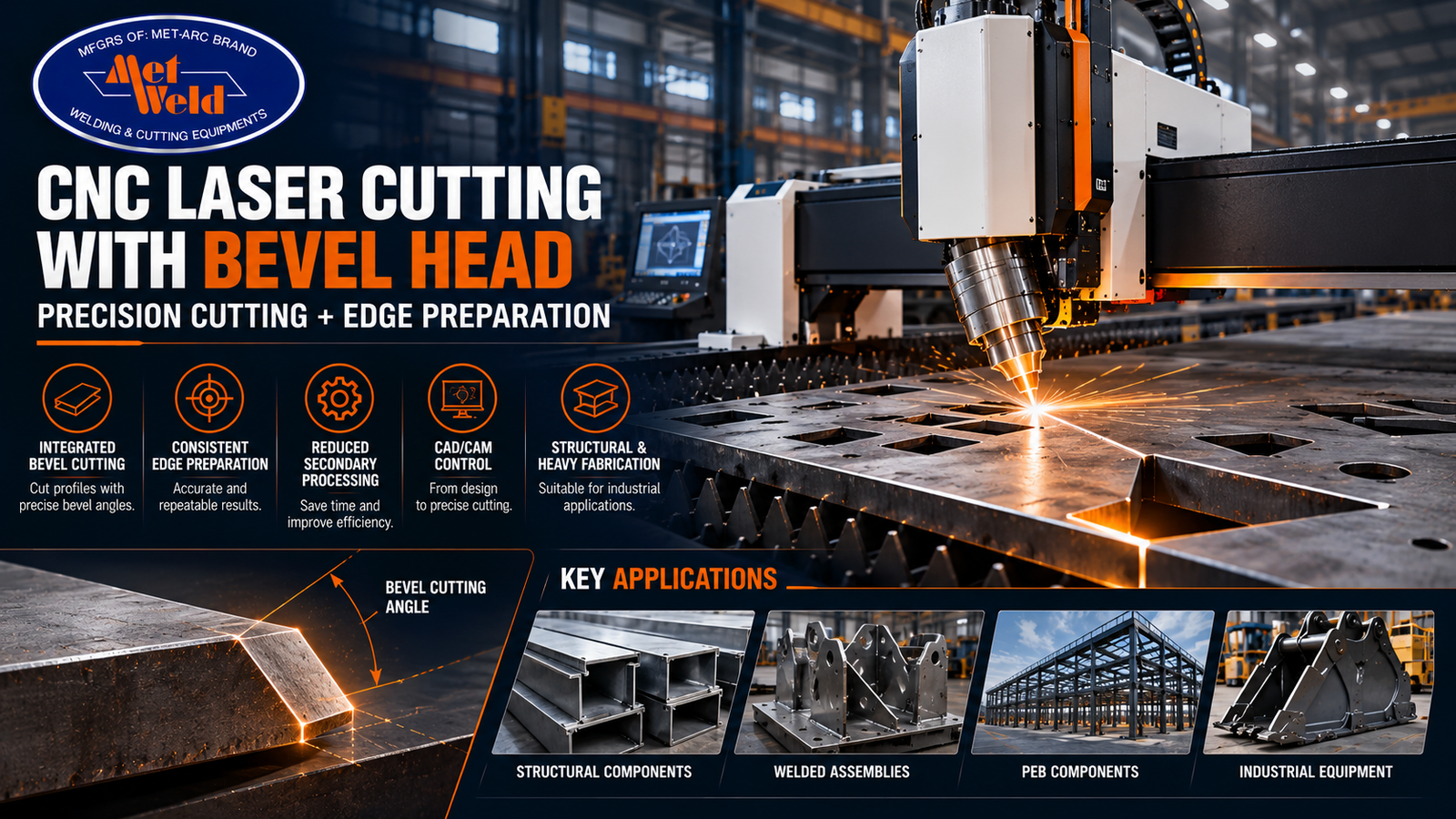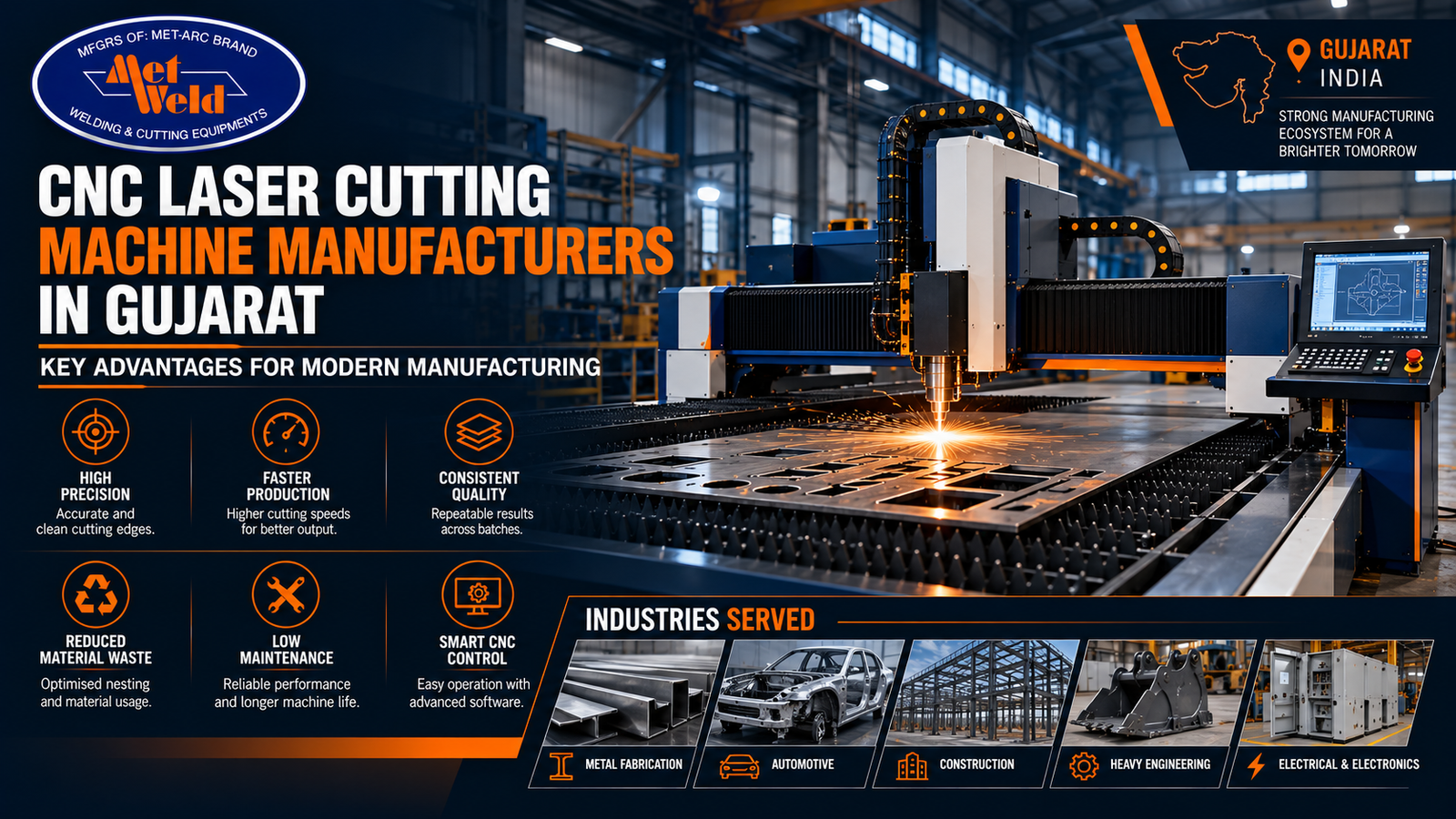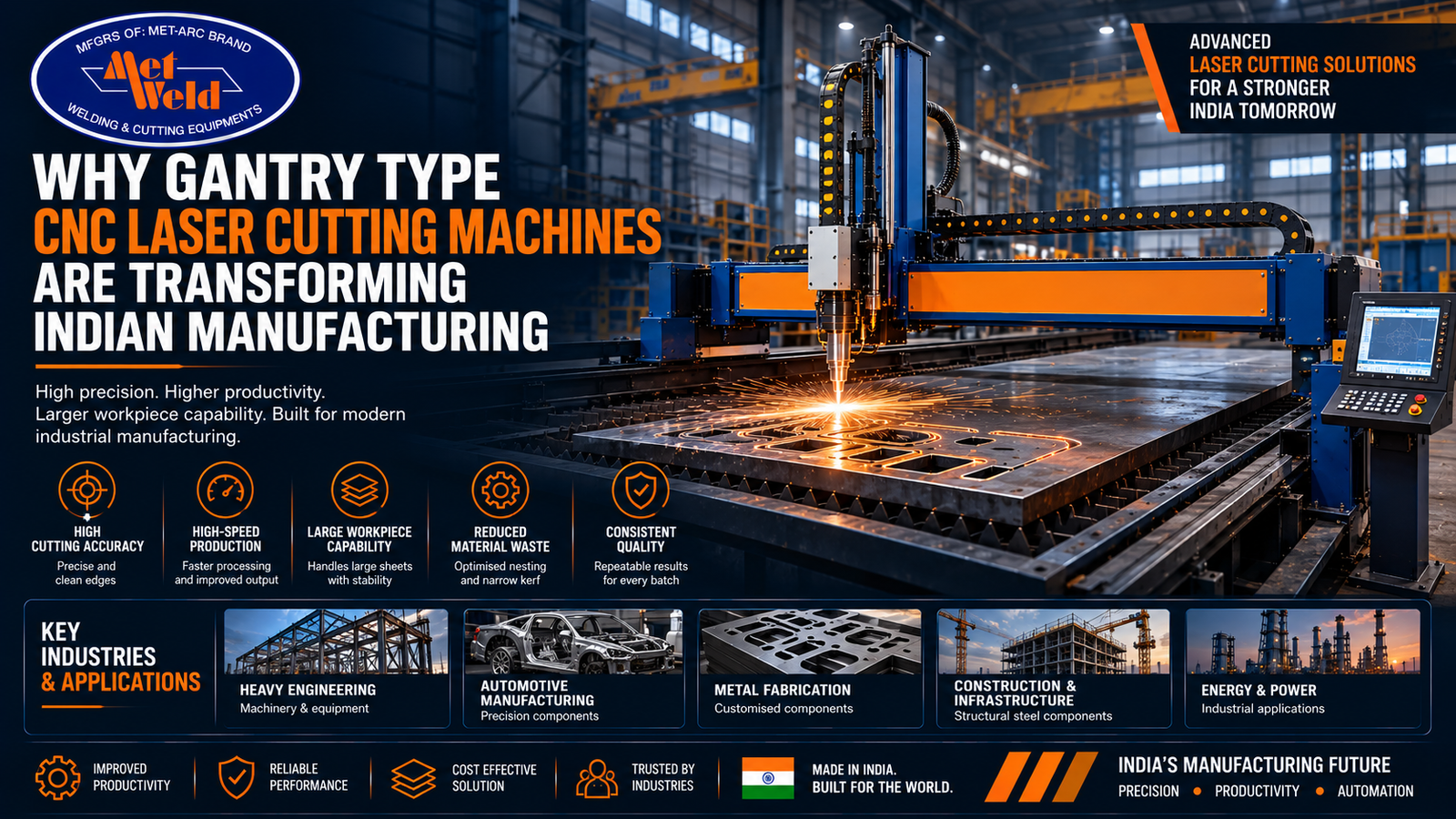
Modern manufacturing requires metal components with accurate dimensions, consistent quality, and carefully defined profiles. From industrial equipment and sheet metal enclosures to automotive components and machinery parts, manufacturers depend on reliable cutting processes to prepare materials for further production.
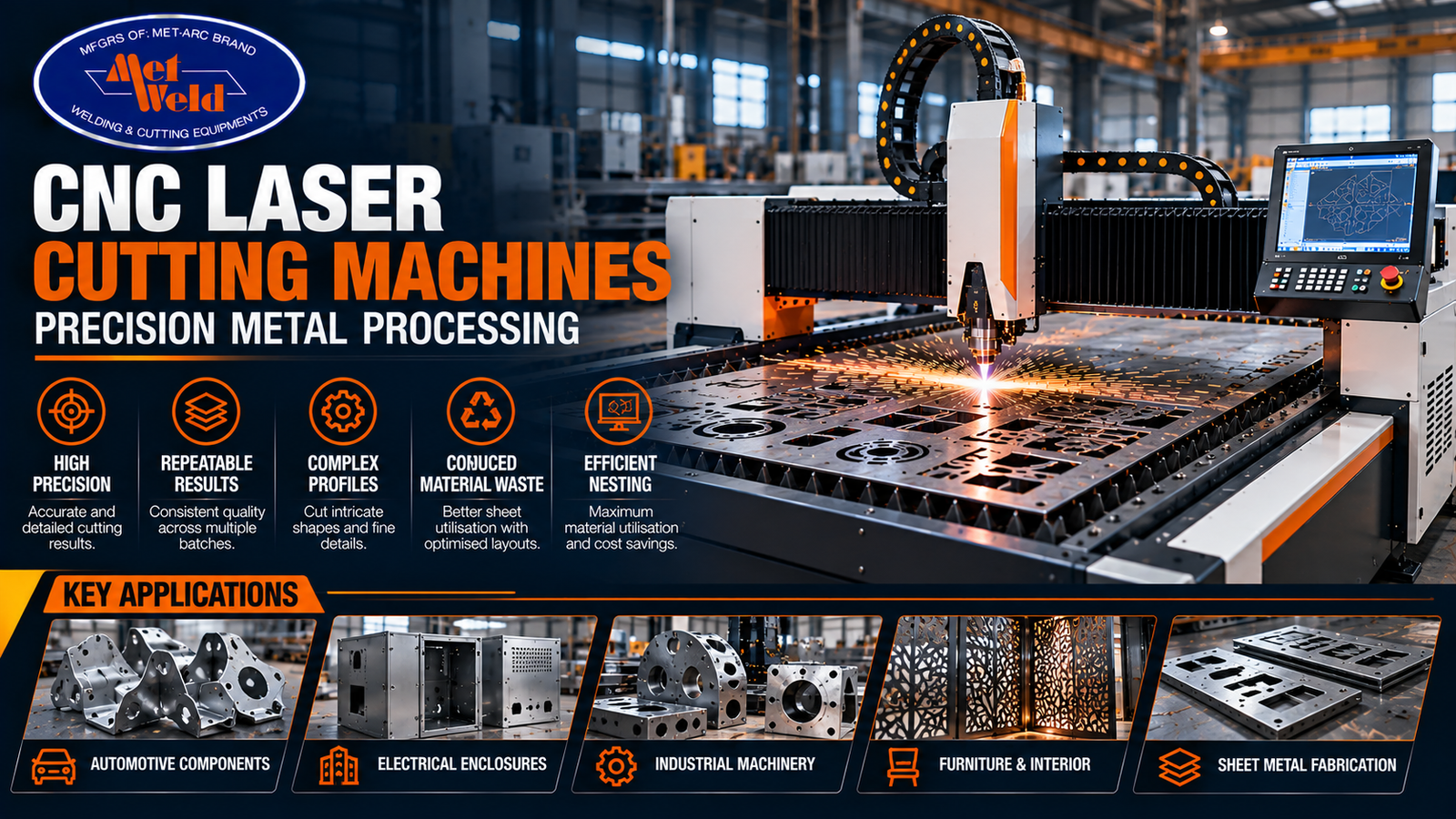
CNC laser cutting machines use a focused laser beam and computer-controlled movements to cut material according to programmed designs. They are particularly useful for applications that require detailed profiles, intricate shapes, and precise openings in suitable sheet metal and plate materials.
For manufacturers handling repeat orders or customised components, laser cutting technology can help improve production consistency, reduce manual intervention, and support more efficient material processing.
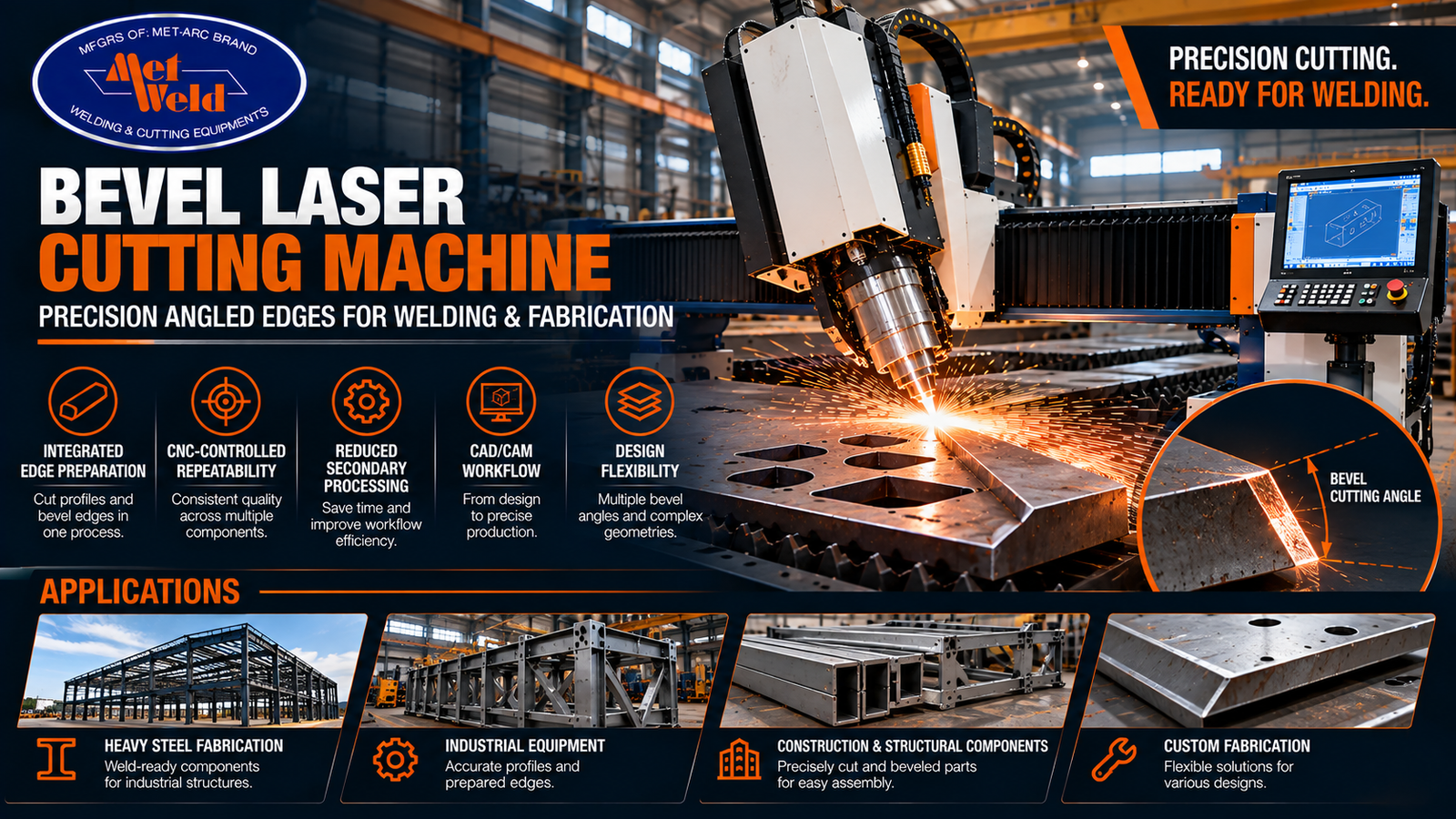
A CNC laser cutting machine uses computer numerical control to guide a laser cutting head along a programmed path. The laser delivers concentrated energy to the material, enabling it to be cut according to the specified design.
Depending on the equipment, laser source, material, and thickness, the process can be used for cutting materials such as mild steel, stainless steel, and aluminium.
The cutting program is typically prepared from a digital design or engineering drawing. The machine then follows the programmed geometry to produce the required component profile.
A suitable industrial laser cutting machine can process straight lines, curves, slots, holes, and more intricate shapes, subject to its technical capabilities and operating conditions.
Some metal components require narrow slots, small openings, complex contours, or closely controlled dimensions. Laser cutting can produce detailed profiles with a narrow cutting kerf, making it suitable for many precision sheet metal applications.
The actual accuracy depends on machine specifications, material properties, thickness, calibration, and process settings.
For manufacturers producing intricate components, precision metal cutting technology can help reduce the need for additional corrective operations.
Manufacturers often need to produce multiple parts using the same design. Manually reproducing detailed profiles can lead to dimensional differences between components.
CNC programming allows a verified cutting design to be reused for repeat production. With suitable process control, this helps maintain consistency across batches and simplifies the preparation of recurring orders.
This is valuable for manufacturers supplying standard components as well as businesses producing customised metal parts.
Laser cutting is suitable for many designs that include curves, detailed outlines, and closely positioned openings.
Because the cutting head follows a programmed path, manufacturers can produce components based on digital design files without creating a separate physical cutting template for every profile.
This flexibility supports product development, design changes, and the production of different component variations.
Laser cutting can produce clean edges on many suitable materials and thicknesses. Depending on the application and cutting parameters, this may reduce the need for additional edge-finishing work.
However, edge quality is influenced by factors such as material grade, thickness, focus position, cutting speed, and gas selection. Manufacturers should verify that the resulting finish meets the component’s requirements.
Raw material costs have a direct effect on manufacturing expenses. Poorly arranged cutting layouts can leave unnecessary scrap between component profiles.
Nesting software helps manufacturers position multiple parts within a sheet to improve material utilisation. The layout can account for part geometry, spacing, cutting kerf, sheet boundaries, and production quantities.
Using CNC sheet metal cutting solutions alongside efficient nesting practices can help reduce avoidable waste and improve planning.
Laser cutting capability varies by machine configuration and laser technology. Manufacturers should verify the permitted material grades and thickness ranges before choosing equipment.
Mild steel is widely used in industrial fabrication and machinery manufacturing. Suitable laser systems can process mild steel sheets and plates within their specified operating range.
Stainless steel is used in applications where corrosion resistance, appearance, or specific material properties are important. Laser cutting can produce detailed profiles when the machine is configured for the material and required thickness.
Aluminium is used in many lightweight structures, equipment housings, and industrial components. Its reflective properties and thermal characteristics make correct machine selection and process setup especially important.
Depending on the system, certain other metals may also be processed. Manufacturers should consult the machine specifications and material-processing guidelines to confirm compatibility.
The most suitable CNC laser cutting machine depends on the material mix, maximum thickness, required cutting quality, and production volume.
CNC laser cutting serves a wide range of industries that require accurately shaped metal components.
Automotive suppliers manufacture brackets, mounting components, panels, and other metal parts in different sizes and shapes. Laser cutting can support the production of suitable components according to approved engineering drawings.
Electrical cabinets and industrial enclosures may include panels, covers, mounting plates, and openings for switches or cable entry. Laser cutting can help produce these features accurately when the material and thickness fall within the machine’s capabilities.
Machinery manufacturers require metal parts with defined profiles and dimensions. CNC laser cutting can support component preparation and help maintain repeatability for recurring production orders.
Metal furniture, display structures, and decorative products may require detailed outlines and customised designs. Laser cutting allows manufacturers to produce many intricate shapes from suitable sheet materials.
Sheet metal businesses often handle a variety of customer orders, ranging from simple brackets to complex profiles. CNC laser cutting offers flexibility when switching between different programmed designs.
Both technologies are used for cutting conductive metals, but their suitability varies according to the application.
CNC laser cutting is often selected for detailed profiles, intricate openings, and precision work in suitable sheet thicknesses.
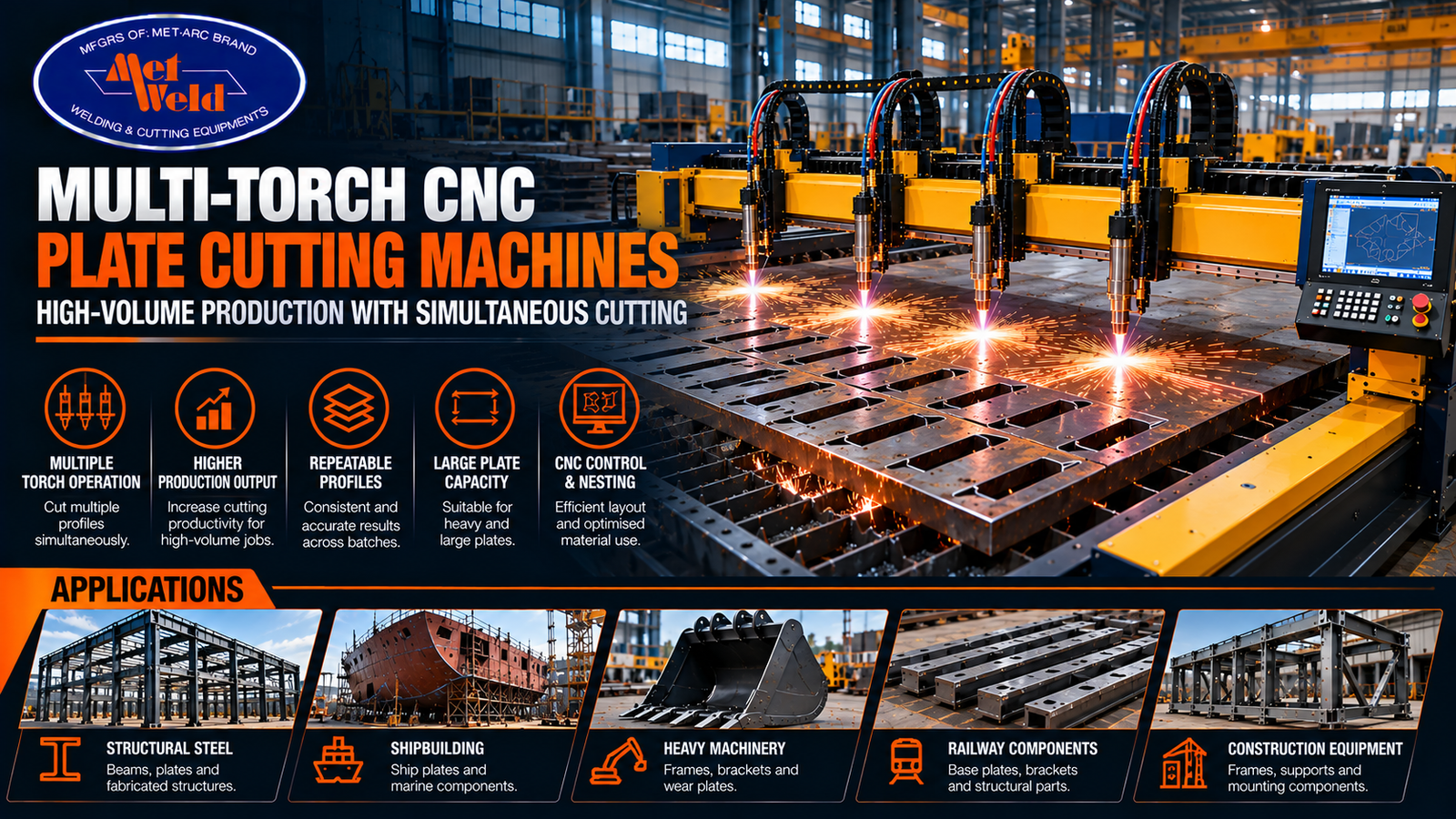
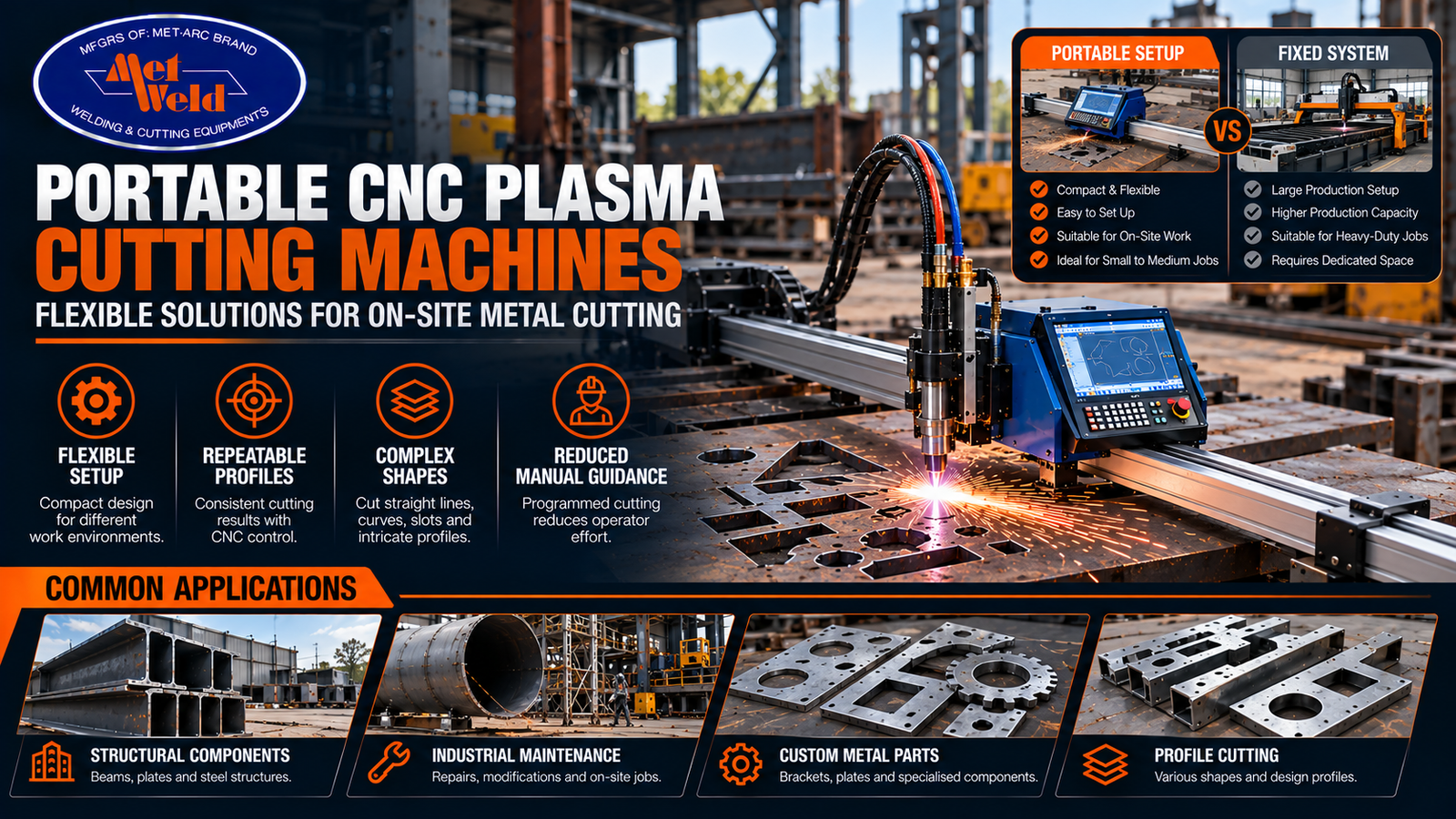
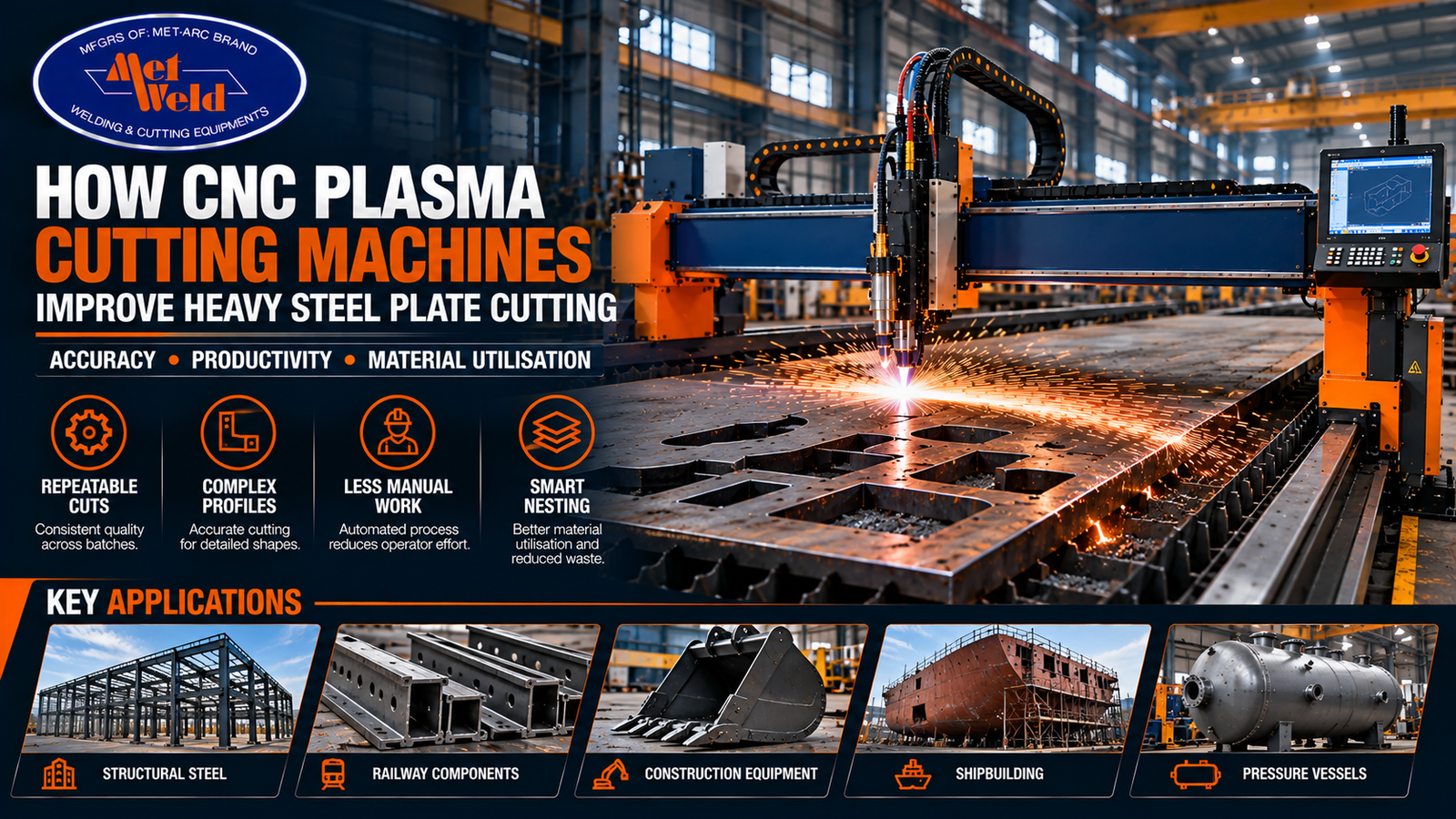
CNC plasma cutting is commonly used for a range of conductive metal plate applications, including many thicker-material jobs, depending on the machine and process configuration.
The decision should consider material thickness, dimensional tolerances, edge-quality requirements, cutting speed, operating costs, and expected production volume.
Neither technology is ideal for every application. A manufacturer should select the process based on the actual component specifications rather than comparing machines using only a single performance factor.
Before investing in equipment, manufacturers should evaluate the following requirements.
Laser power and cutting capacity: Confirm that the machine supports the required material types and thicknesses.
Working area: Ensure the bed dimensions accommodate the sheet sizes used in regular production.
Accuracy requirements: Review the dimensional tolerances and feature sizes needed for the intended components.
Software compatibility: Check how the machine handles design files, cutting programs, and nesting workflows.
Production volume: Match the machine’s capabilities to daily workload and future production plans.
Maintenance and support: Consider service availability, operator training, consumables, and access to appropriate CNC machine spares.
Operating costs: Evaluate energy consumption, assist gases, consumables, maintenance, and material utilisation alongside the initial equipment cost.
A complete assessment helps businesses choose a machine that fits their manufacturing requirements and budget.
Metweld offers CNC cutting equipment for industrial metal-processing applications. Businesses evaluating its product range can review the available machine options and determine which configuration aligns with their cutting requirements.
Before selecting equipment, manufacturers should identify their material grades, sheet dimensions, maximum thickness, required cutting quality, and expected production volumes.
Providing these details helps establish whether a particular machine is suitable for the intended work. Buyers should also confirm the exact technical specifications, included features, installation requirements, and service arrangements directly with the manufacturer.
Explore Metweld’s CNC cutting machine range to learn more about its industrial cutting solutions.
CNC laser cutting machines support precision metal processing by following programmed cutting paths to produce detailed and repeatable component profiles. They can help manufacturers process complex designs, maintain production consistency, and improve material utilisation when combined with suitable nesting and process controls.
Choosing the right machine requires careful consideration of material compatibility, thickness, working area, accuracy, production volume, and operating costs.
For manufacturers planning to upgrade their metal-cutting operations, evaluating these factors can help identify equipment that meets their production requirements and supports long-term manufacturing efficiency.