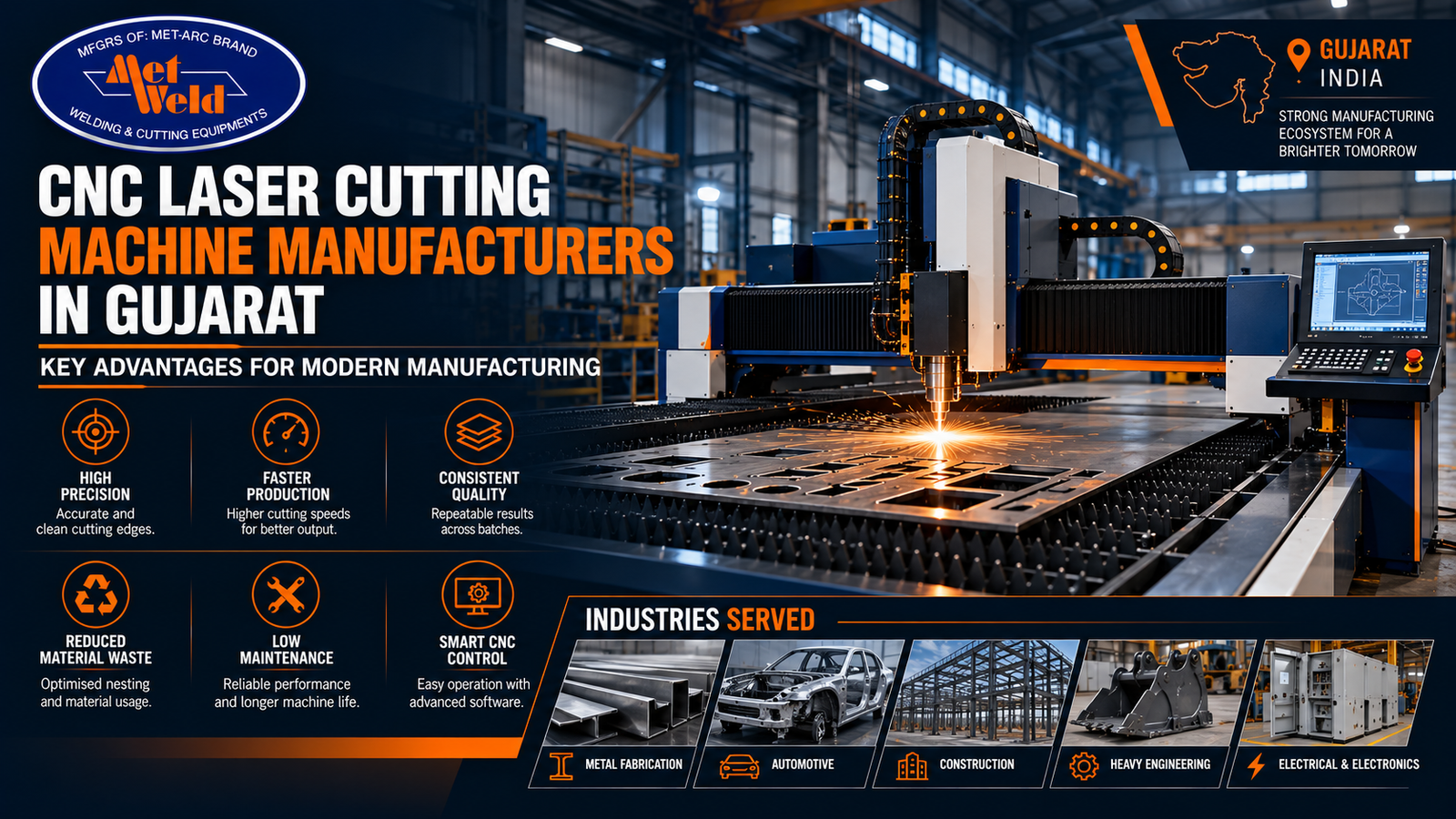
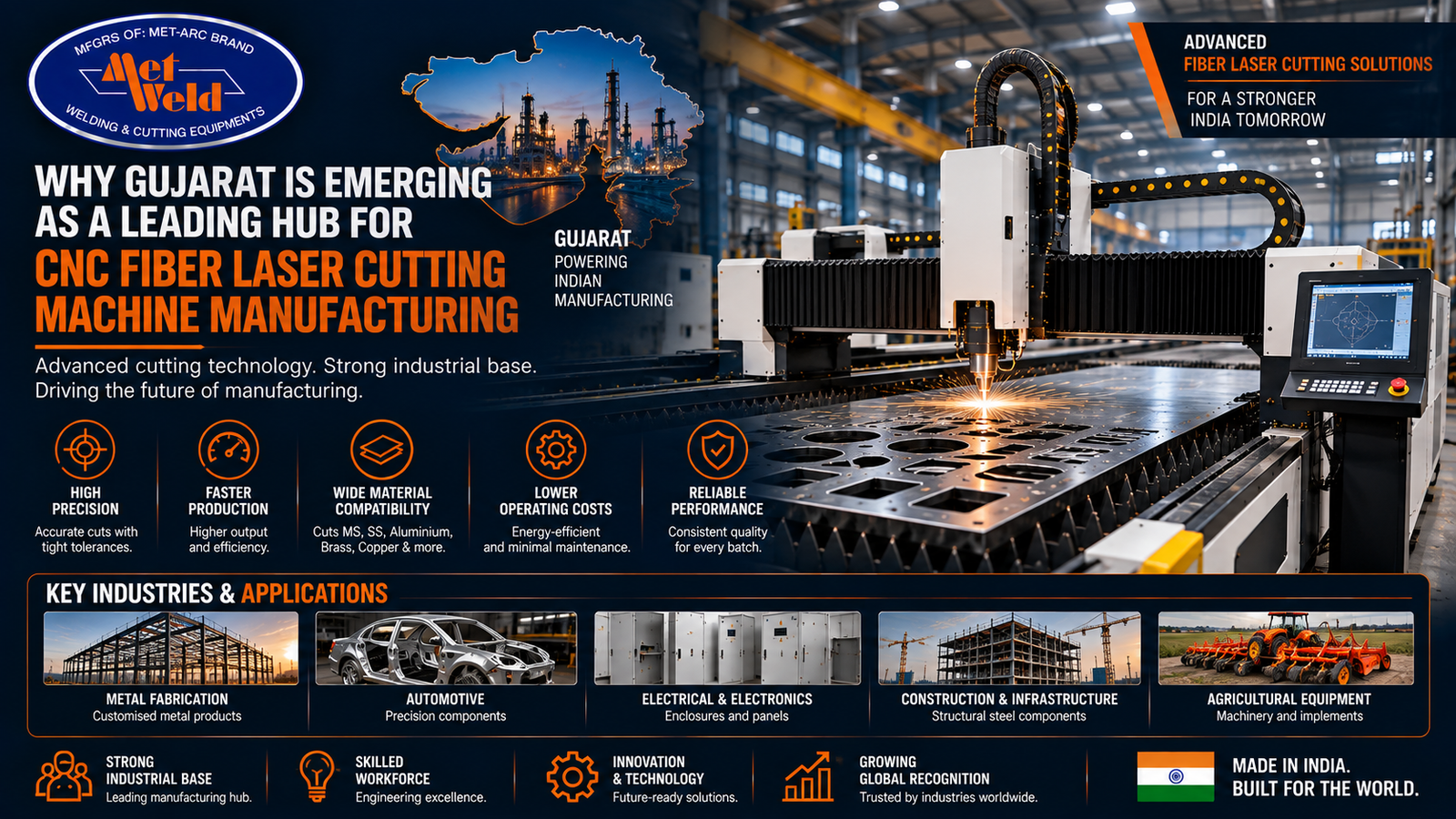
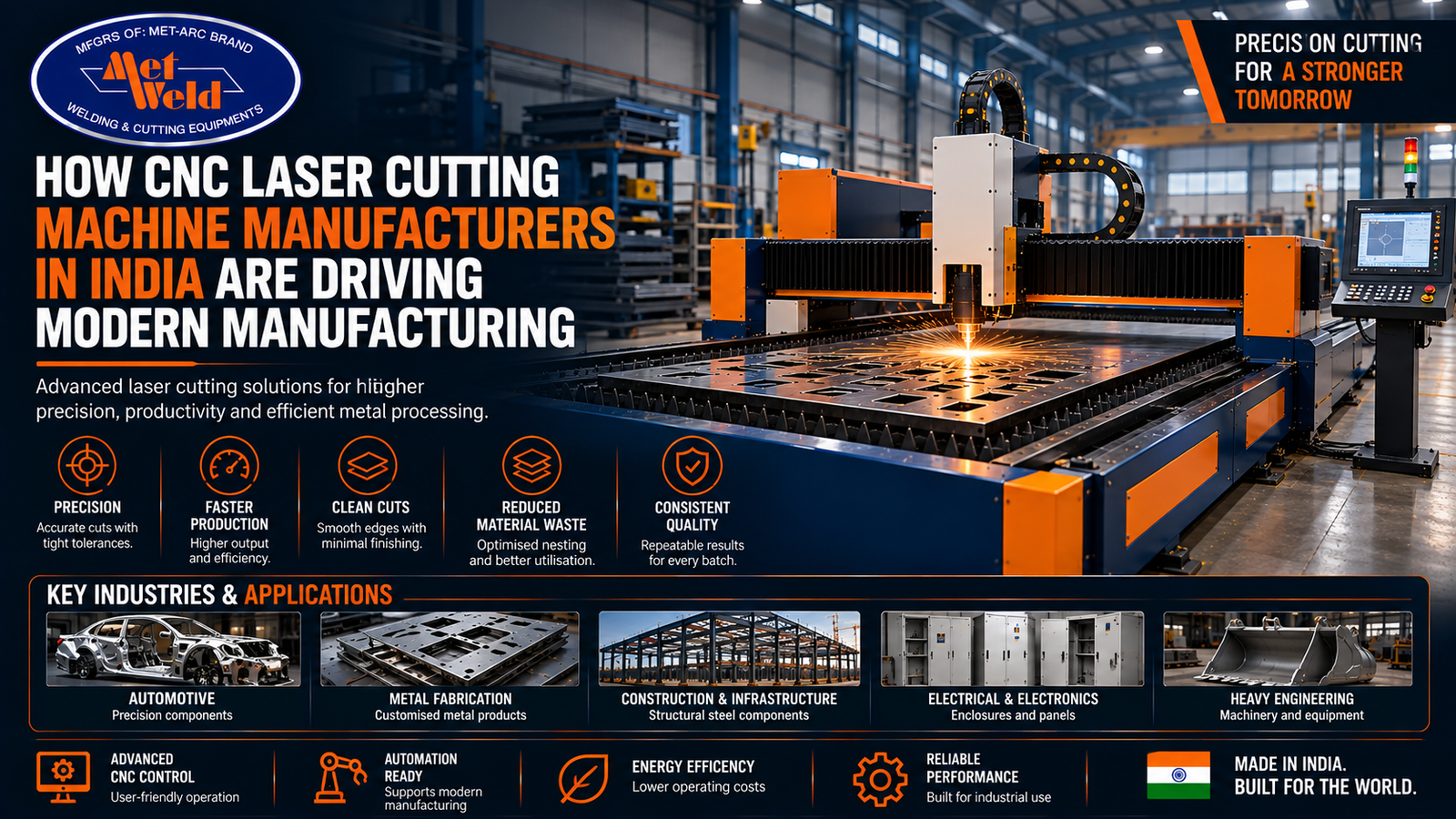
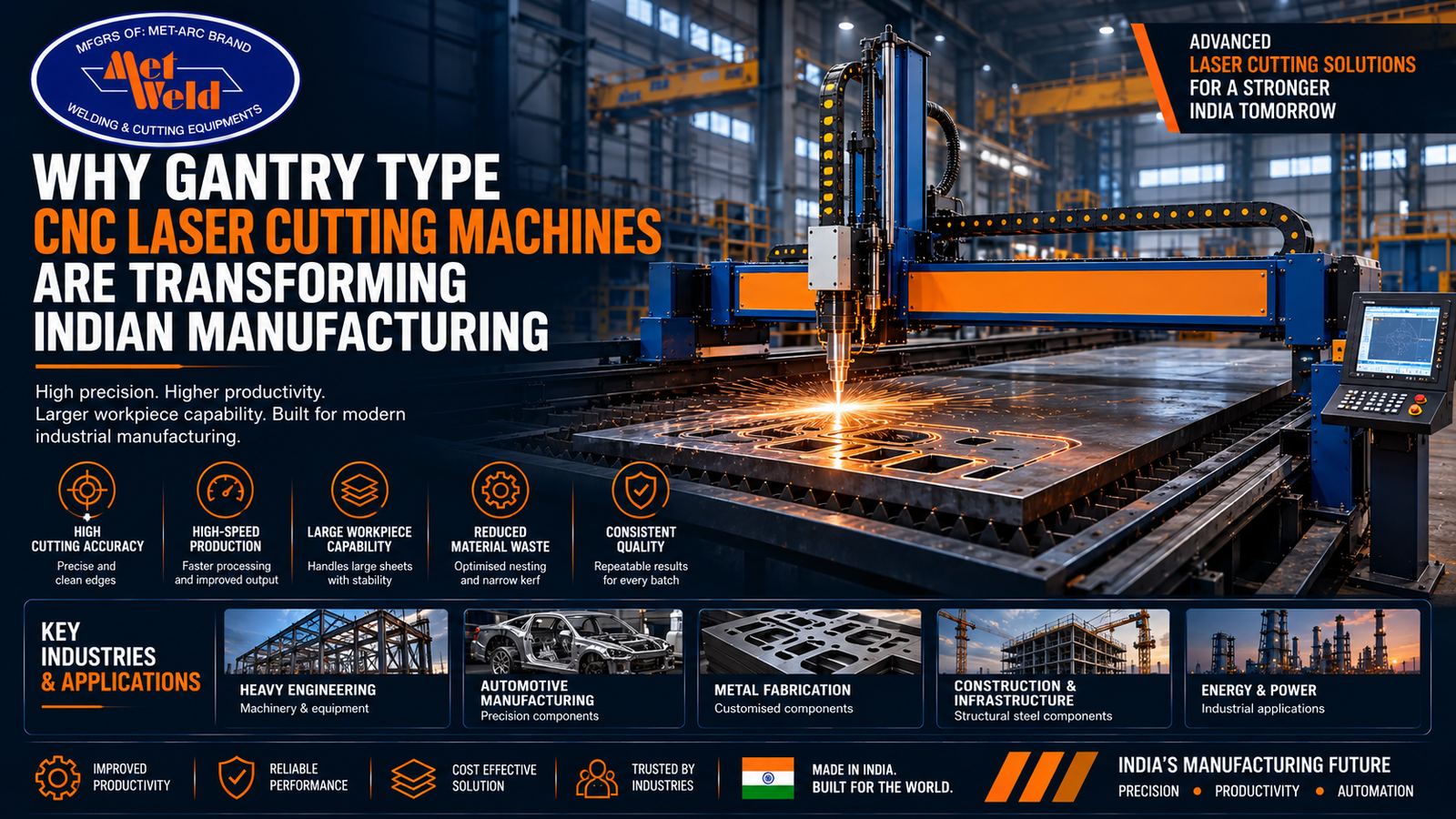
Structural steel fabrication requires accurate preparation of plates and sections before welding, assembly and installation. Fabricators may process base plates, gussets, brackets, support plates, connection components and other parts that must fit together consistently. When production involves repeated profiles or multiple component sizes, manual cutting can make programming, repeatability and material planning more difficult.
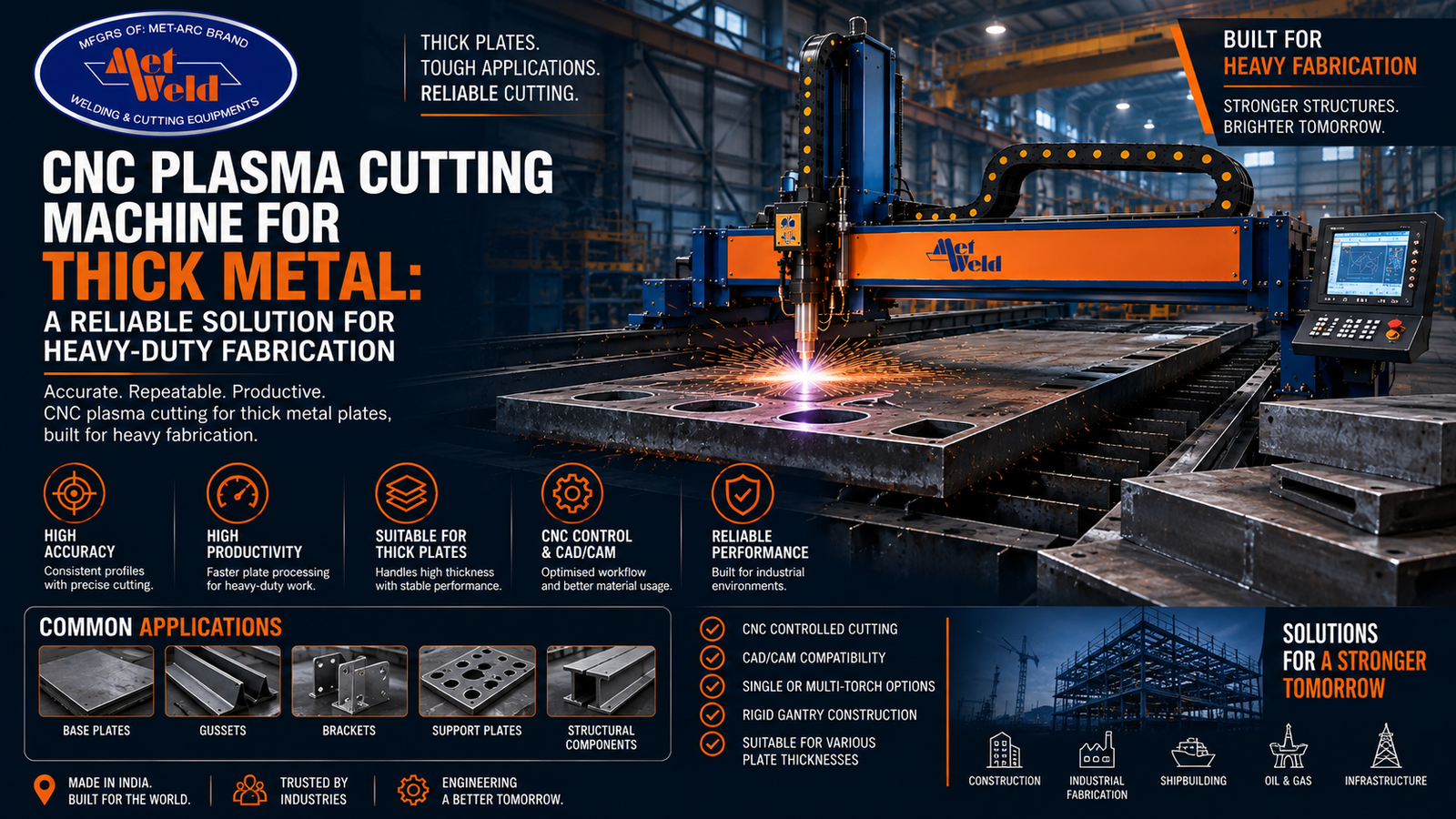
A CNC plasma cutting machine for structural steel provides a controlled method for converting digital drawings into programmed torch paths. Metweld CNC plasma cutting solutions
can be evaluated according to material, thickness, plate dimensions, production volume and the cutting process required for the fabrication workflow. CNC-controlled movement helps create a more systematic path from drawing to finished component.
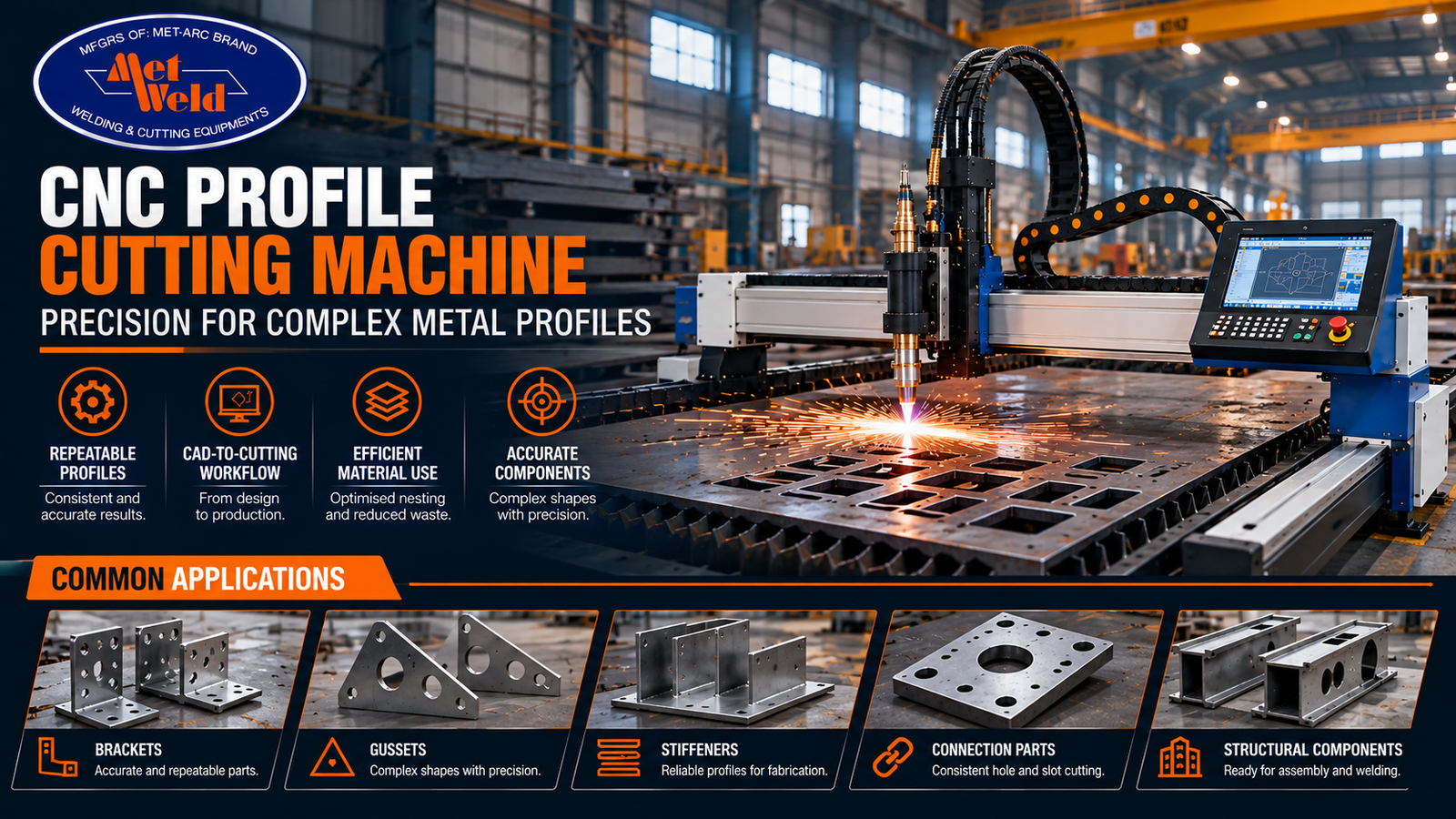
A CNC plasma cutting machine combines a plasma torch with computer numerical control. The controller interprets programmed geometry and guides the torch along defined coordinates, while the plasma arc melts and removes electrically conductive metal. This allows structural steel components to be cut from suitable plates according to the programmed profile.
Mild steel and stainless steel are examples of conductive materials that can be processed with plasma when the selected equipment and process are appropriate. The actual machine configuration should be matched to the material and thickness requirements of the structural steel work being performed.
CNC-controlled torch movement follows programmed geometry, helping reproduce profiles across repeated components. Consistent brackets, gussets, base plates and support parts can make downstream fit-up, welding and assembly more organized. Actual accuracy depends on machine construction, programming, torch setup and process conditions.
Plasma cutting can provide a practical process for preparing conductive steel plates when the power source, consumables and cutting parameters are suitable for the material. Thickness, plate condition, torch height and process settings affect cutting performance, so equipment should be evaluated around the thickness range used in regular structural fabrication.
Digital programming connects engineering drawings with the cutting process. CAD/CAM compatibility can reduce manual layout work, while nesting can arrange multiple components on a plate before cutting. Reusable job files can also support repeat production when the same structural components are required across projects.
CNC automation supports repetitive cutting by maintaining programmed torch paths across batches. For production environments with substantial component volumes, multi-torch configurations may be considered where simultaneous cutting is appropriate. Productivity should be evaluated across programming, setup, material handling, cutting and downstream fabrication rather than by cutting speed alone.
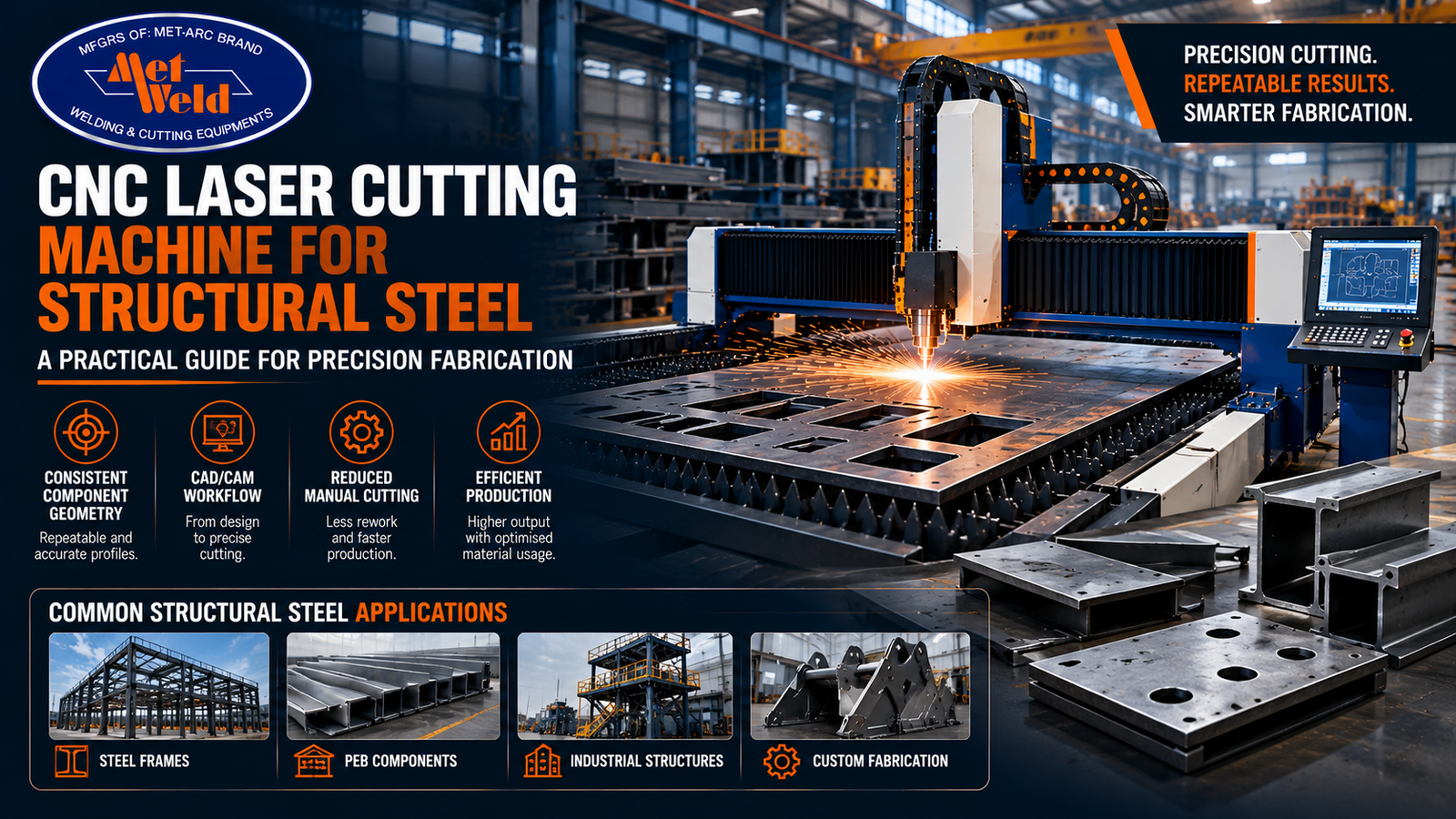
Structural steel cutting is used to prepare components that form part of buildings, industrial structures, equipment and infrastructure. Fabricators may cut base plates, gussets, brackets, connection plates, support plates and other shaped parts before drilling, welding, machining or assembly. Accurate profiles can help simplify the fit-up of fabricated members and reduce unnecessary manual layout.
For businesses assessing an industrial structural steel cutting system, the machine should be considered alongside plate size, component mix, material handling and expected production volume.
Start with the structural steel thicknesses processed most often rather than selecting equipment only by its maximum advertised capacity. Regular production requirements, component geometry and desired cut quality provide a more useful basis for comparison.
Structural work commonly involves mild steel, but the complete material mix should be considered. Material characteristics influence process settings and consumable selection. Confirm that the intended machine and plasma process are appropriate for the specific metals used by the fabrication unit.
Power, material thickness, cutting speed, torch height, consumable condition and process settings interact with one another. A suitable plasma system should cover the application’s normal range. Operators should follow manufacturer-recommended parameters and use controlled process checks when conditions change.
The cutting table should accommodate the plates commonly processed and provide practical space for loading, nesting and removing finished parts. Working area should also be considered alongside the available floor space and material-handling arrangement.
CNC controls and software play an important role in coordinating torch movement, cutting paths, and production operations. CAD/CAM compatibility can help convert engineering drawings into cutting instructions, while nesting software can arrange multiple components efficiently on a plate. Suitable CNC controls also help operators manage programmed cutting operations and maintain a more consistent production workflow.
A fabrication unit handling varied project work may need a flexible configuration, while higher-volume production may benefit from multi-torch capability where appropriate. The decision should reflect workload, component mix, plate dimensions, throughput requirements and handling resources.
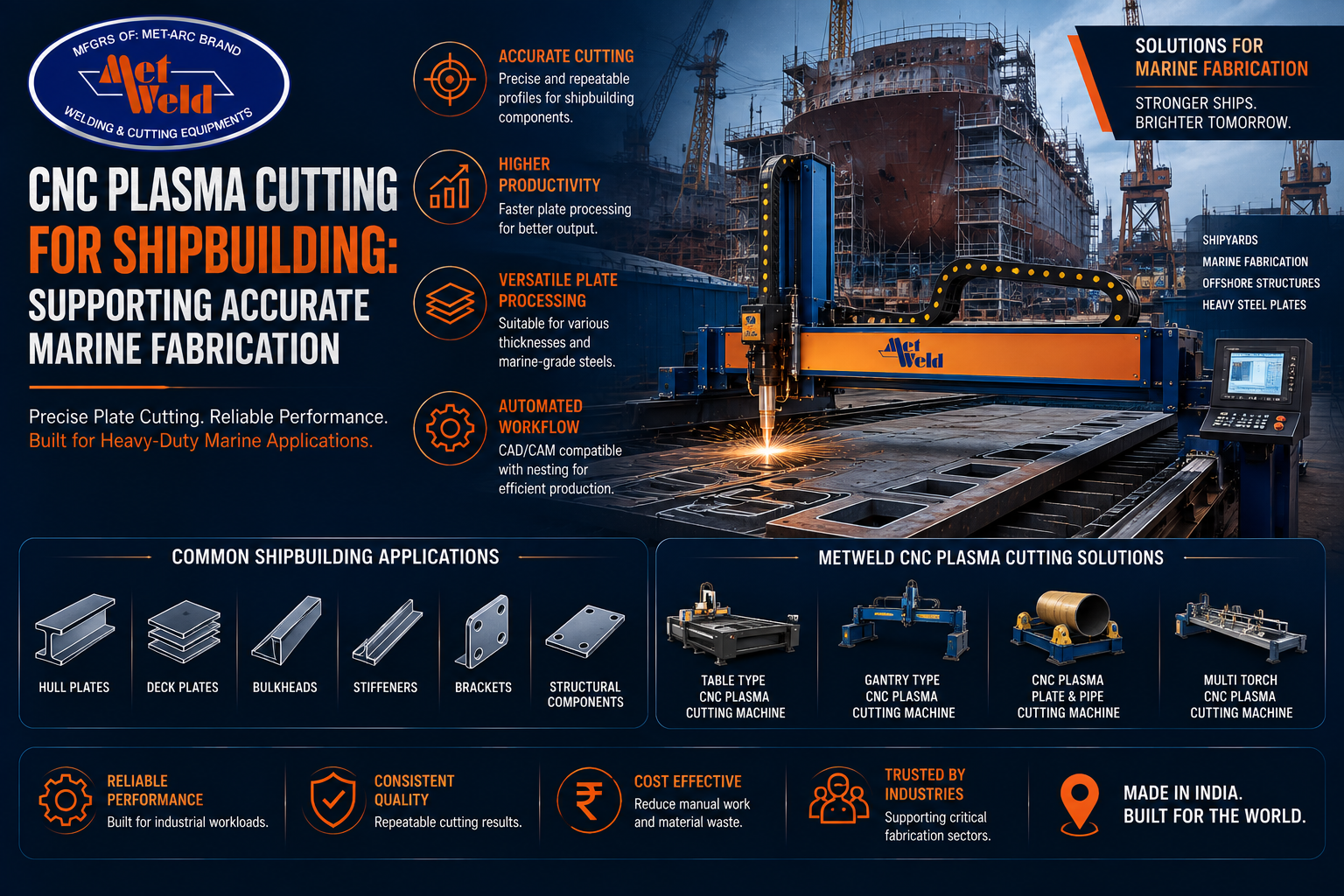
Metweld manufactures CNC cutting equipment for industrial applications, with configurations intended for different plate-processing requirements. Its CNC portfolio includes table-type plasma cutting machines, gantry-type configurations, plate-and-pipe CNC plasma cutting systems and multi-torch CNC cutting machines. Manufacturers can review Manufacturers can review CNC plasma machine configurations.
Reliable structural steel cutting begins with accurate drawings, suitable plate preparation and organized programming. CAD/CAM files should be checked before cutting, and nesting can be used to plan component placement and material usage. Correct setup helps establish a repeatable process before the torch begins cutting.
Torch setup, cutting parameters and consumable condition should be monitored during production because they influence cut quality and consistency. Routine inspection and maintenance of the cutting table, rails, torch system and related components can help identify issues before they affect production.
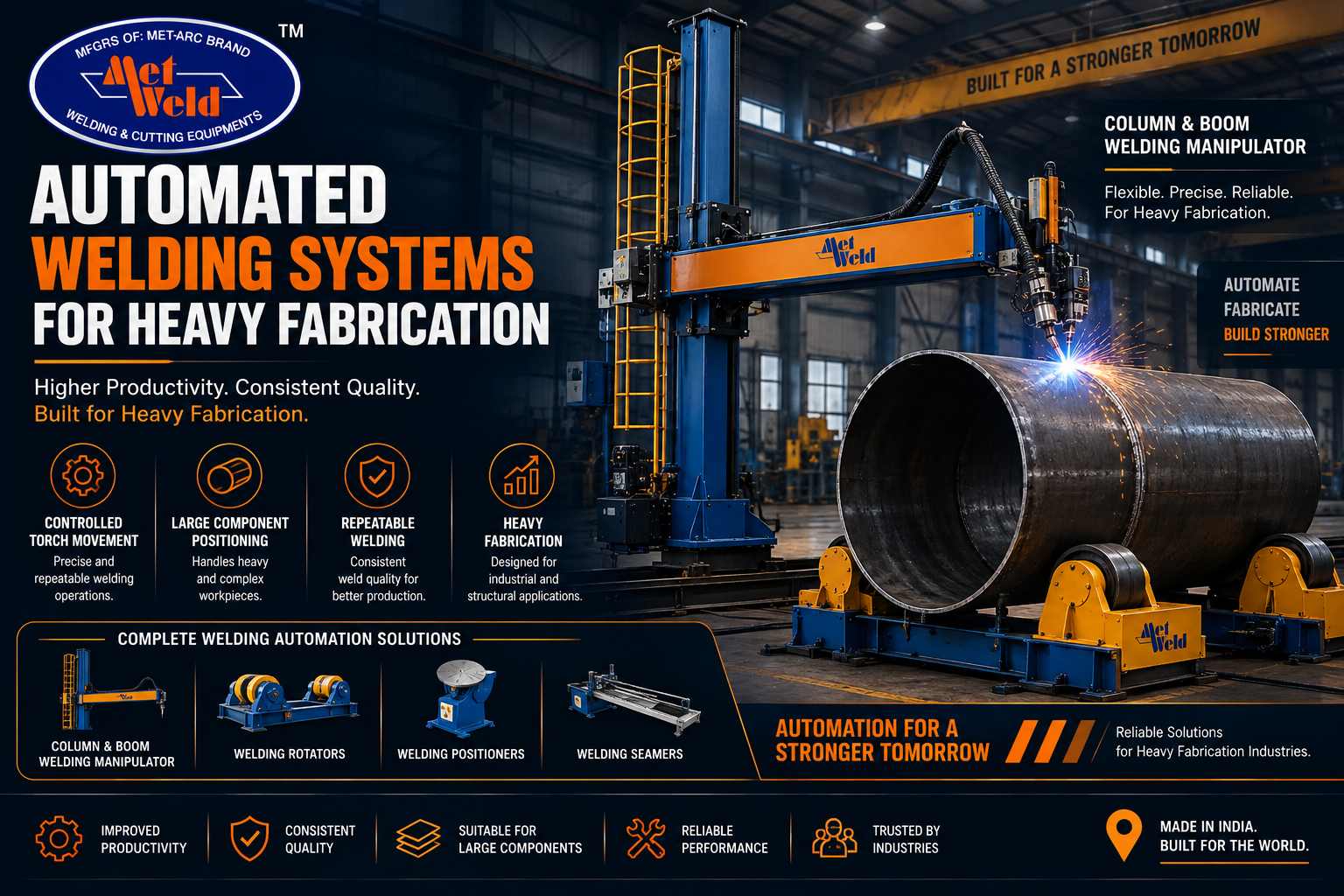
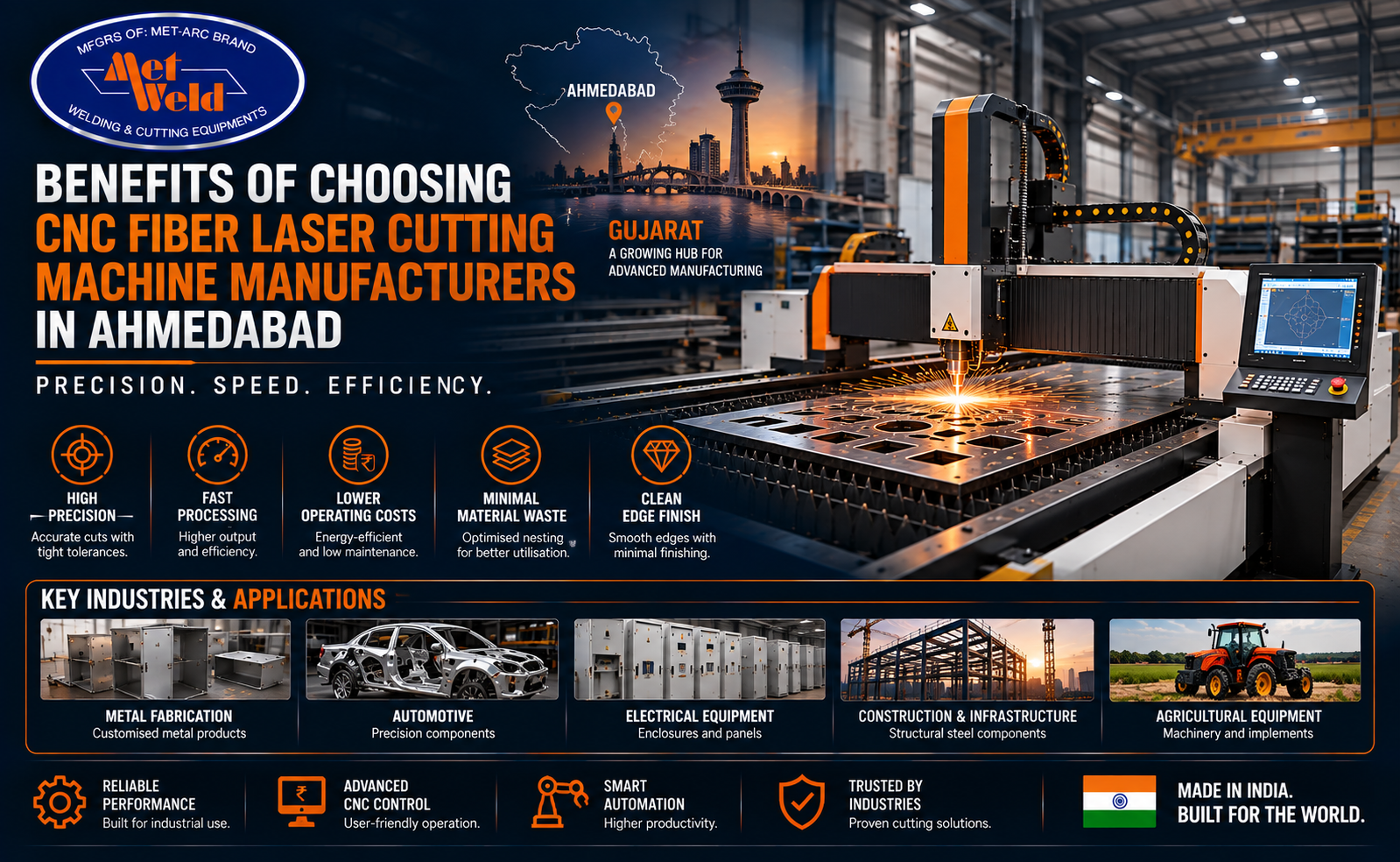
Metweld combines manufacturing experience with CNC plasma cutting, laser cutting and welding automation for industrial fabrication applications. Its CNC cutting portfolio includes multiple configurations, allowing manufacturers to assess equipment according to material, plate size, thickness and production requirements.
The right system should be selected by reviewing material type, required thickness, plate dimensions, working area, production volume, CNC controls, nesting and torch configuration together. For manufacturers evaluating structural steel cutting equipment, a workflow-based approach can help identify practical technology for consistent and efficient fabrication.
A CNC plasma cutting machine for structural steel can support accurate, repeatable preparation of plates and fabricated components when the machine configuration matches the application. CNC plasma cutting technology combines programmed torch movement with a controlled cutting process, helping structural steel fabricators organize production and prepare consistent components for welding and assembly.