Selecting the right cutting technology is a critical decision for any fabrication or manufacturing unit. Among the most widely used solutions today are CNC Fiber Laser Cutting Machines and CNC Plasma Cutting Machines. While both are CNC-controlled and designed for precision metal cutting, their applications, cost structures, and performance characteristics differ significantly.
Understanding these differences helps manufacturers choose the most suitable technology based on material type, thickness, production volume, and budget.
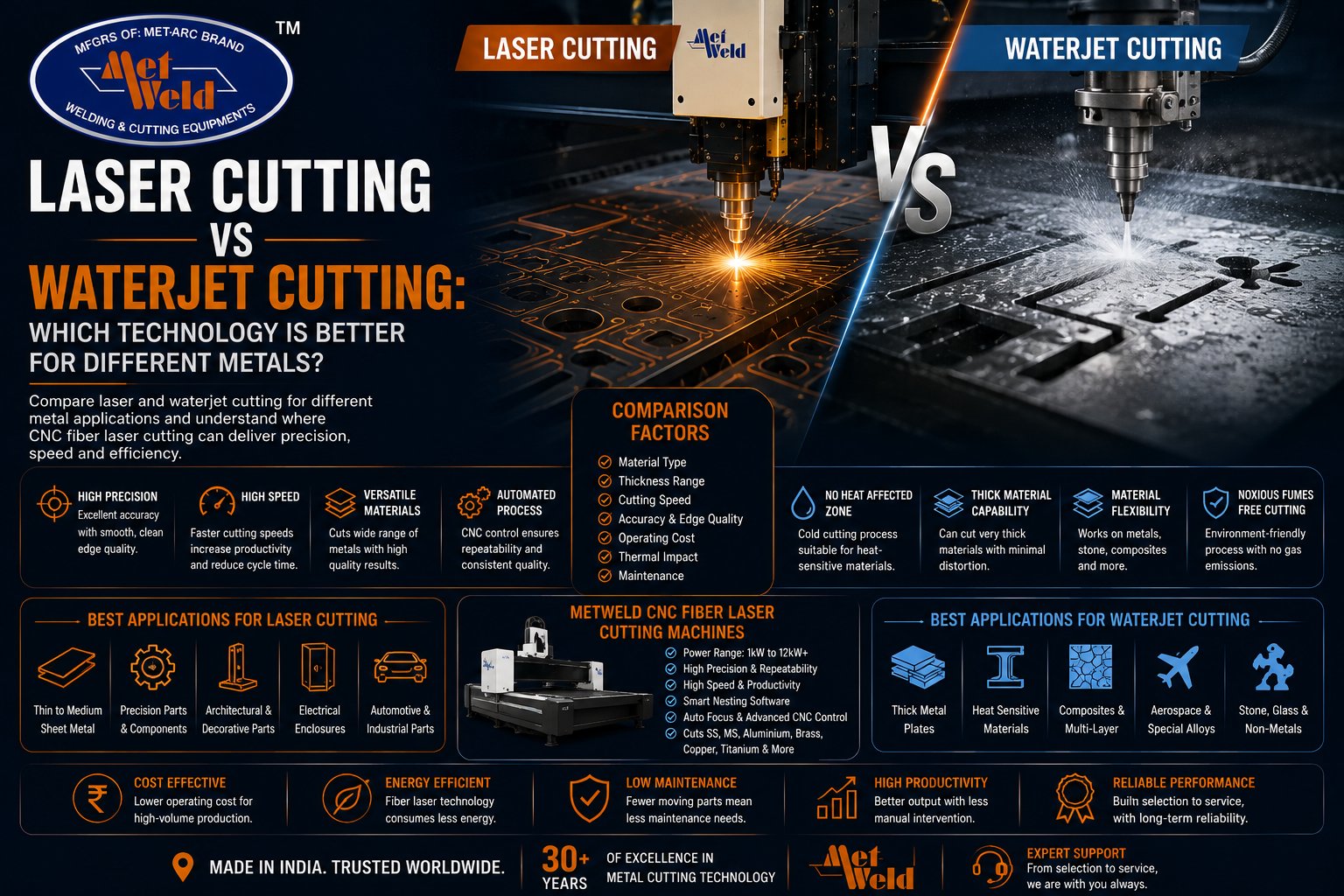
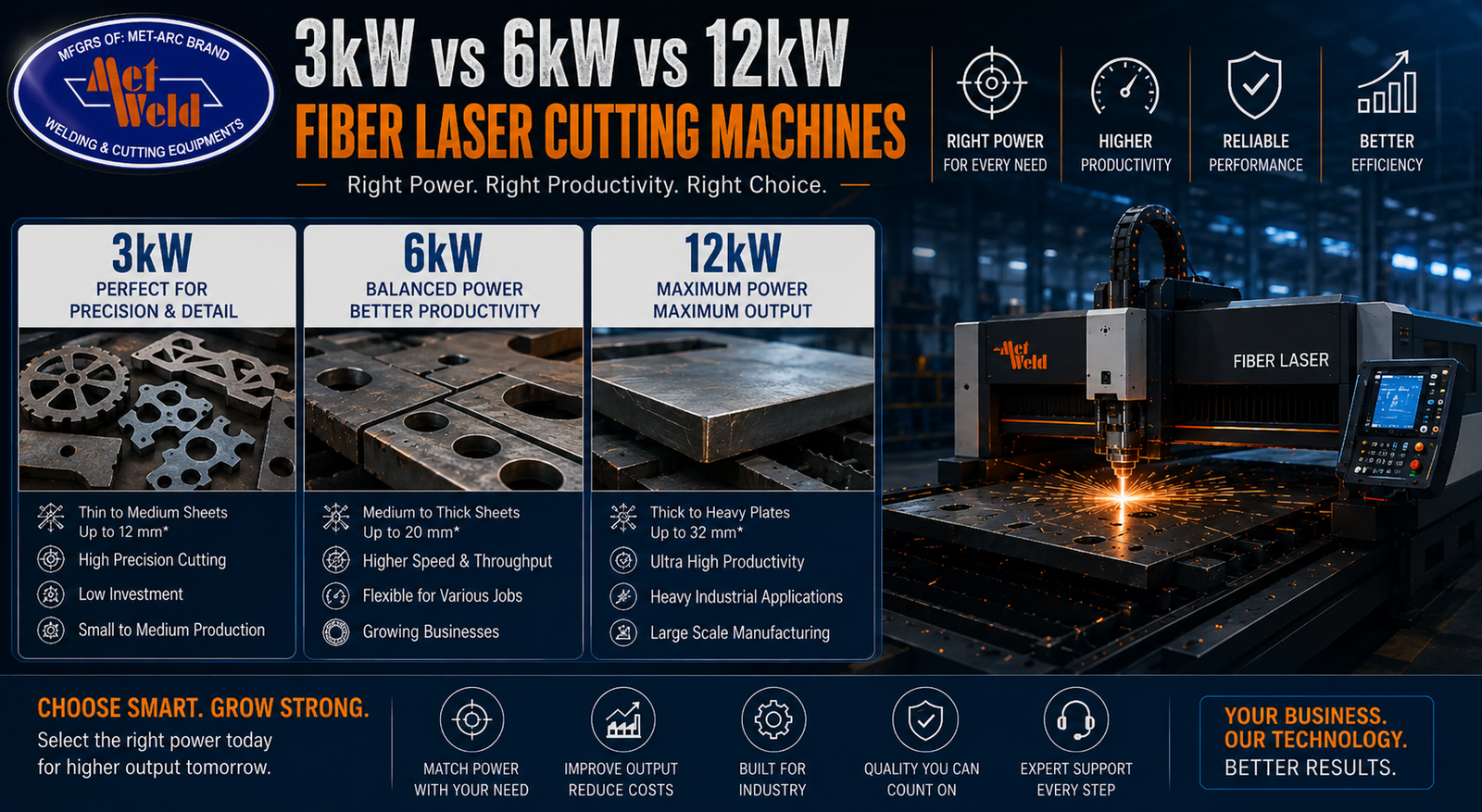
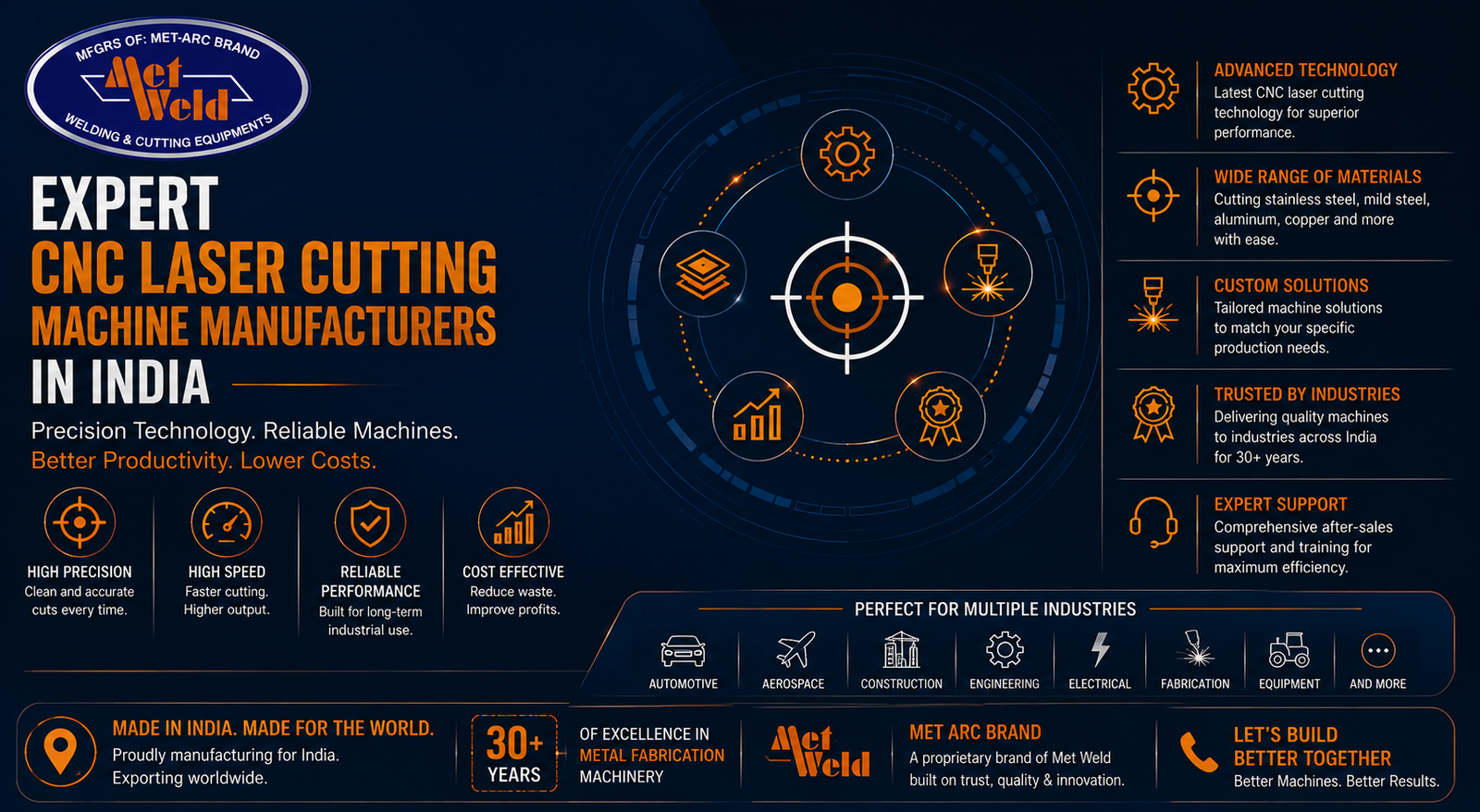
CNC fiber laser cutting machines use a high-intensity laser beam transmitted through optical fibers to cut metal with extreme precision. The focused beam melts or vaporizes the material, producing smooth, clean edges with minimal heat impact.
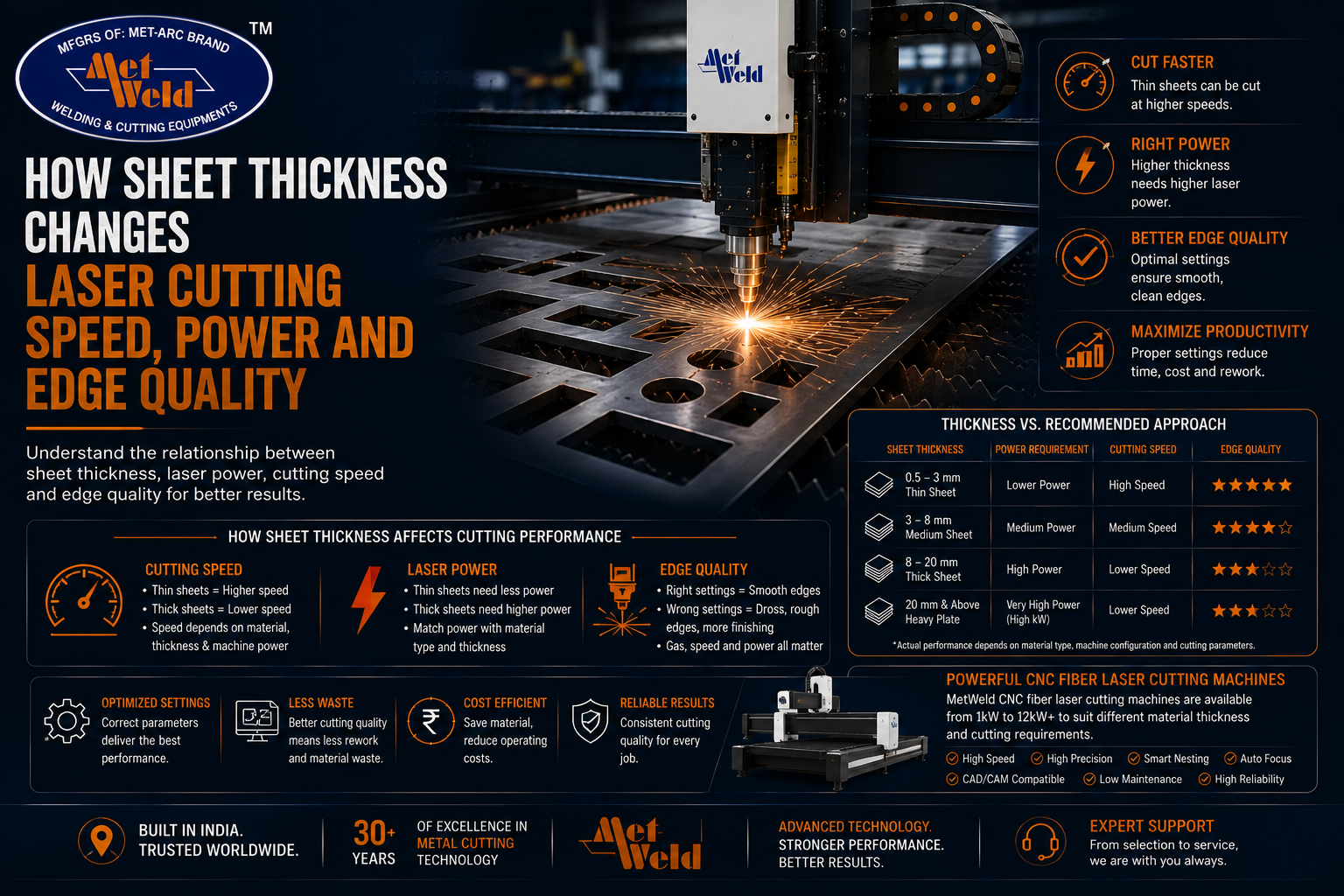
Fiber laser cutting is especially effective for thin to medium-thickness materials and applications that require high accuracy and fine detailing.
Key characteristics include:
This makes fiber laser cutting ideal for industries focused on precision and aesthetics.
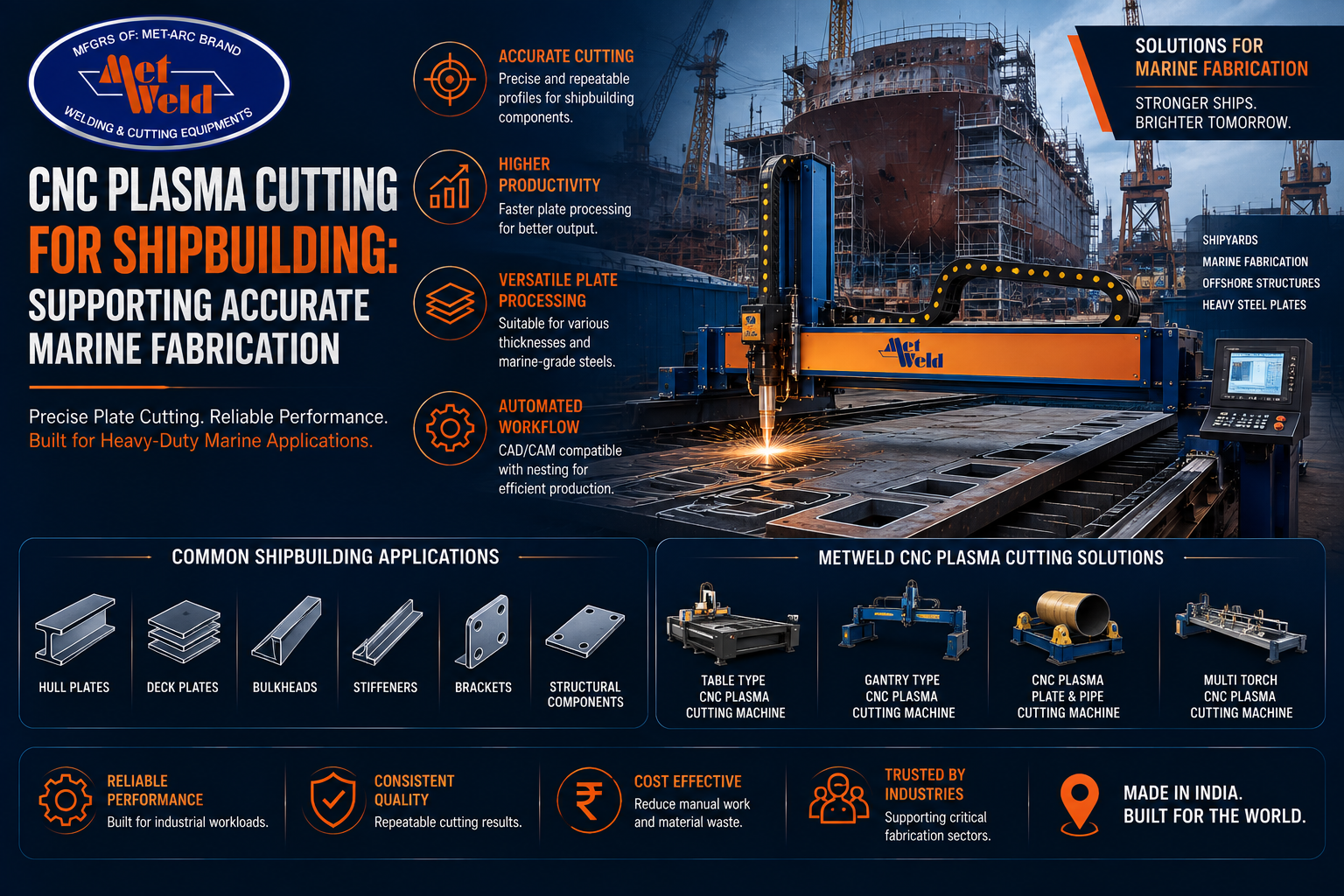
CNC plasma cutting machines use a high-temperature plasma arc to cut electrically conductive materials. Plasma cutting is known for its ability to process medium to thick plates efficiently and economically.
Plasma systems are widely used in heavy fabrication environments where cutting speed and thickness capability are priorities over ultra-fine precision.
Key characteristics include:
CNC plasma cutting is a practical choice for industries handling heavy-duty materials.
The primary differences between the two technologies lie in material thickness, edge quality, operating cost, and application suitability.
CNC fiber laser cutting is best suited for thin to medium sheets where precision, speed, and surface finish are critical. CNC plasma cutting, on the other hand, excels in cutting thicker materials where speed and cost efficiency matter more than ultra-fine detail.
Laser cutting delivers superior accuracy and minimal heat-affected zones, while plasma cutting offers greater thickness capability and lower capital cost.
Different industries benefit from different cutting technologies.
Industries that typically prefer CNC fiber laser cutting include:
Industries that rely heavily on CNC plasma cutting include:
Understanding industry requirements helps in selecting the right cutting system.
From a cost perspective, CNC plasma cutting machines usually require a lower initial investment and are more economical for thick materials. Fiber laser cutting machines have a higher upfront cost but deliver better ROI for high-precision, high-volume production of thin materials.
Operating costs also differ:
The right choice depends on production mix and long-term manufacturing goals.
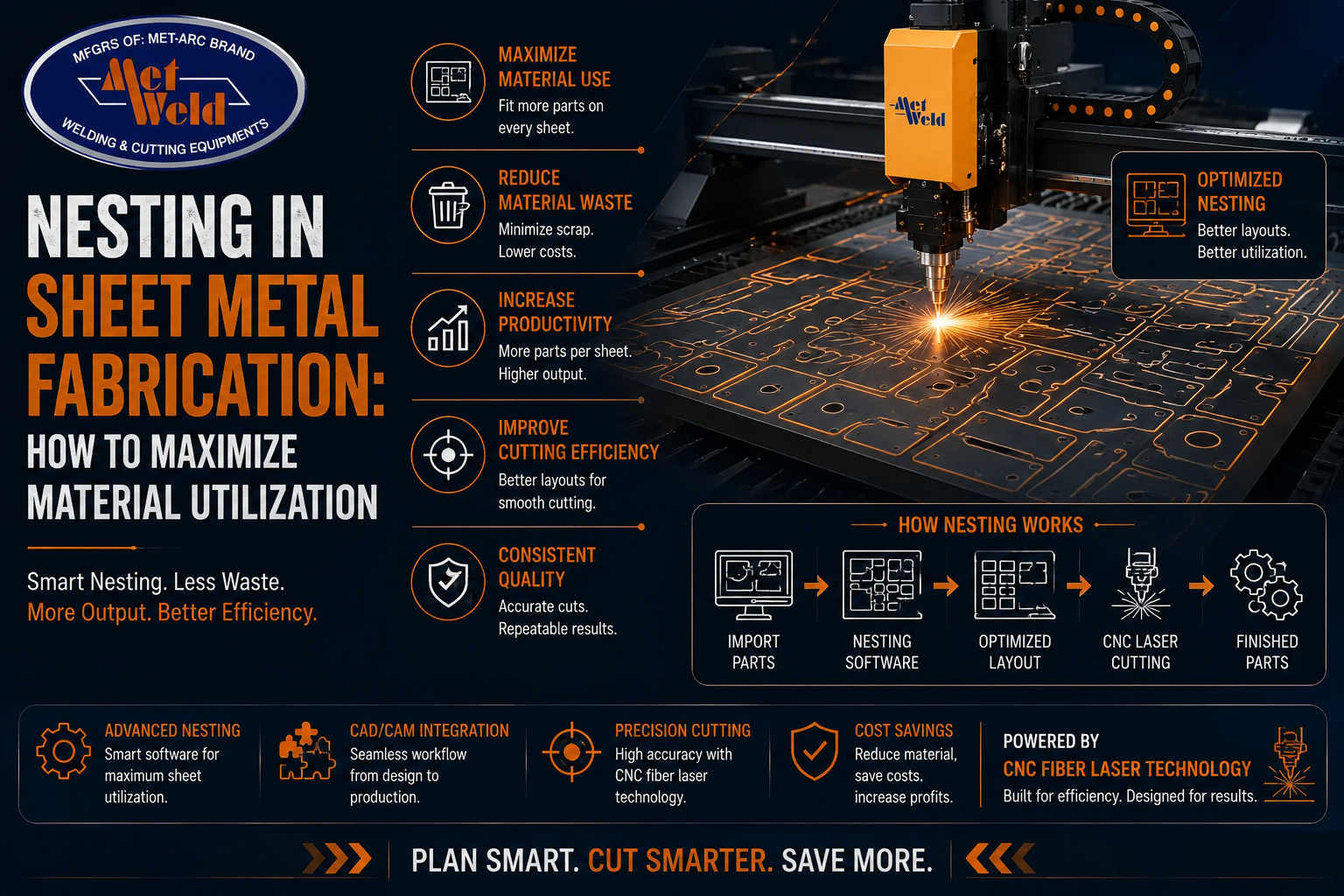
Both technologies support CNC automation, CAD/CAM integration, and nesting software for optimized production. However, scalability differs.
Fiber laser cutting is ideal for mass production of precision components, while plasma cutting scales effectively with multi-torch systems and large-format gantry machines for heavy fabrication.
Some manufacturers even combine both technologies to cover a wider range of applications within the same facility.
Choosing between CNC fiber laser cutting and CNC plasma cutting depends on several factors:
Evaluating these factors ensures the selected technology aligns with production goals and future expansion plans.
Both CNC Fiber Laser Cutting Machines and CNC Plasma Cutting Machines play vital roles in modern manufacturing. Fiber laser cutting excels in precision, speed, and surface finish, while plasma cutting delivers power, thickness capability, and cost efficiency for heavy-duty applications.
By understanding the strengths of each technology, manufacturers can make informed decisions that improve productivity, reduce costs, and support long-term growth in an increasingly competitive industrial landscape.